
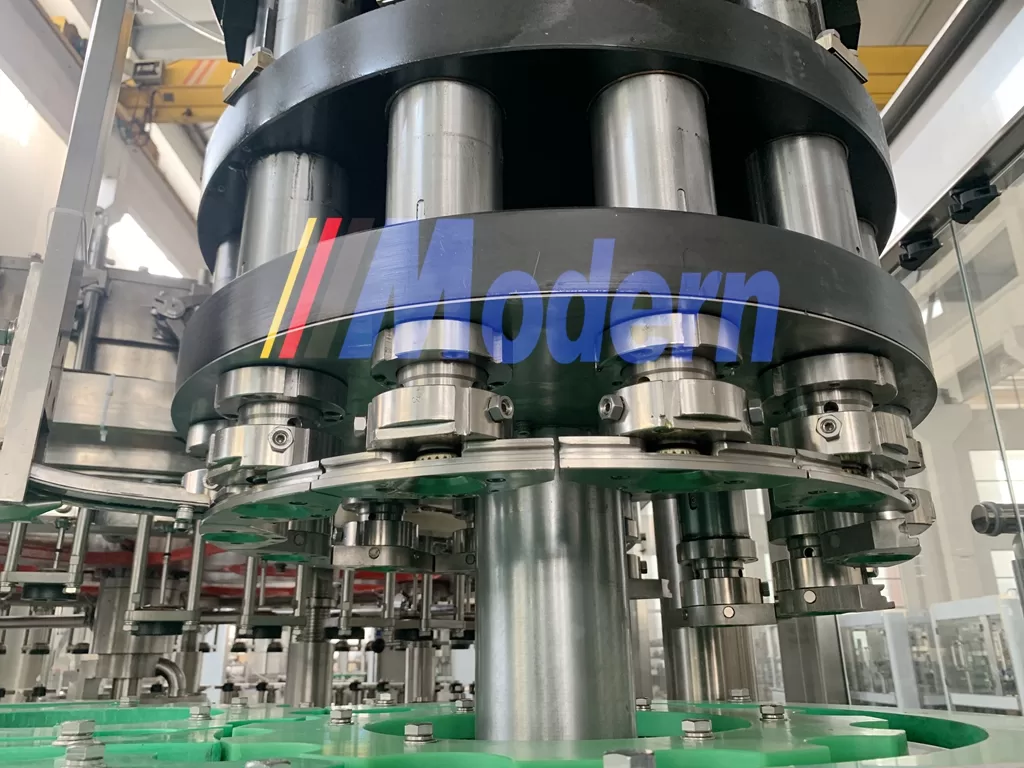
In the ever-evolving world of manufacturing and packaging, liquid filling machines play a paramount role in ensuring efficiency and precision. These machines are designed to streamline the process of dispensing various types of liquids into containers, making them indispensable in industries such as food and beverage, pharmaceuticals, cosmetics, and chemicals. This article delves into the various types of liquid filling machines, offering detailed insights into their functionalities, advantages, and applications to aid businesses in making informed decisions.
1. Introduction to Liquid Filling Machines
Liquid filling machines serve the critical function of accurately measuring and dispensing liquids into bottles, jars, or other containers. With a plethora of options available, companies must choose a filling machine that aligns with their specific requirements, including the type of liquid, container size, and production speed. Choosing the correct type of liquid filling machine can significantly enhance productivity and reduce operational costs.
2. Types of Liquid Filling Machines
2.1 Volumetric Filling Machines
Volumetric filling machines are among the most common types found in the industry. These machines operate on the principle of measuring a predetermined volume of liquid before dispensing it into containers. They can handle a variety of liquids, from thick pastes to thin waters, making them highly versatile.
Volumetric filling machines can be categorized into two main types: gravity fillers and piston fillers. Gravity fillers use gravitational force to dispense liquid, making them ideal for low-viscosity fluids. In contrast, piston fillers utilize a piston mechanism to provide precise volume control, making them suitable for more viscous liquids. Businesses should consider the viscosity of their product when selecting a volumetric filling machine to ensure optimal performance.
2.2 Gravity Filling Machines
Gravity filling machines are designed to dispense liquids using gravity, making them optimal for low-viscosity products such as water, soda, and some sauces. These machines typically feature an open spout, ensuring that the flow rate is determined solely by gravity. One of the main advantages of gravity filling machines is their simplicity, which minimizes maintenance requirements and operational costs.
These machines are ideal for high-speed production lines where the product’s viscosity allows for a consistent flow. However, they may not be suitable for thick or foam-generating liquids, which require more controlled dispensing methods.
2.3 Piston Filling Machines
Piston filling machines utilize a piston-driven mechanism to create a vacuum that draws liquid into a chamber before dispensing it into containers. This mechanism allows for a high level of accuracy and is particularly effective for filling viscous products, such as creams, gels, and sauces.
Businesses that require precise filling of thicker products often benefit from piston filling machines. Additionally, these machines can be equipped with features that prevent drips and spills, enhancing production efficiency. However, they may require more maintenance due to their complex mechanics compared to gravity fillers.
2.4 Auger Filling Machines
Auger filling machines are designed to fill powdered and granulated products, though they can also accommodate certain types of liquids. These machines utilize a rotating screw mechanism to dispense predetermined amounts of material into containers. Companies mainly use auger fillers in the food and pharmaceutical industries, particularly for products like powdered milk and supplements.
The advantage of auger filling machines is their precision and ability to handle highly viscous liquids when equipped with specific auger tools. However, operators must ensure proper calibration to maintain filling accuracy, especially when dealing with varied product densities.
2.5 Overflow Filling Machines
Overflow filling machines are ideal for filling liquids into containers of varying sizes, particularly when a consistent fill level is critical. This type of machine fills the container until it overflows, ensuring that each container is filled to the same level regardless of its physical dimensions. This makes them suitable for products such as oils and wines, where appearance and uniformity are essential.
One of the main advantages of overflow filling machines is their ability to accommodate different container sizes and shapes without extensive adjustments. However, proper maintenance and cleanliness are vital to avoid product contamination.
2.6 Aseptic Filling Machines
Aseptic filling machines are designed for filling products that require sterile conditions, such as pharmaceuticals and certain food products. These machines operate in a controlled environment to prevent contamination, utilizing pre-sterilized containers and products. Aseptic filling technology is crucial in industries where product safety and shelf life are paramount.
While aseptic filling machines provide significant advantages in preserving product integrity, they require substantial initial investment and ongoing maintenance, making them suitable for businesses with high-volume production needs in sterile environments.
3. Key Considerations When Choosing a Liquid Filling Machine
3.1 Product Characteristics
Understanding the physical and chemical properties of the liquid being filled is essential. Considerations include viscosity, acidity, temperature, and whether the product produces foam. Selecting the appropriate filling machine based on these characteristics will lead to improved efficiency and reduced waste.
3.2 Container Types
The type of container—bottles, jars, or pouches—also influences decisions regarding filling machines. Specific machines are designed for particular container shapes and materials, so businesses must align their filling equipment with their packaging strategy.
3.3 Production Volume and Speed
Production needs can vary significantly; some industries demand high-speed output while others may require slower, more meticulous filling. Understanding the required production speed will assist in selecting a machine that meets these demands, ensuring efficiency without compromising quality.
3.4 Budget and Investment
Investing in a liquid filling machine can represent a significant capital expenditure. Businesses must evaluate their budget, desired features, and the long-term benefits of each machine type before making a purchase. Leasing options may also be worth considering for companies with fluctuating demands.
4. Conclusion
The world of liquid filling machines is vast and varied, with multiple types available to suit different products and production needs. Understanding the characteristics of each machine type, as well as the specific requirements of your business, can significantly enhance operational efficiency and product quality.
By considering factors such as product characteristics, container types, production volume, and budget, companies can make informed decisions when selecting the most appropriate liquid filling machine. As industries continue to evolve and grow, staying abreast of technological developments in liquid filling machinery will be crucial for maintaining a competitive edge in the market.


