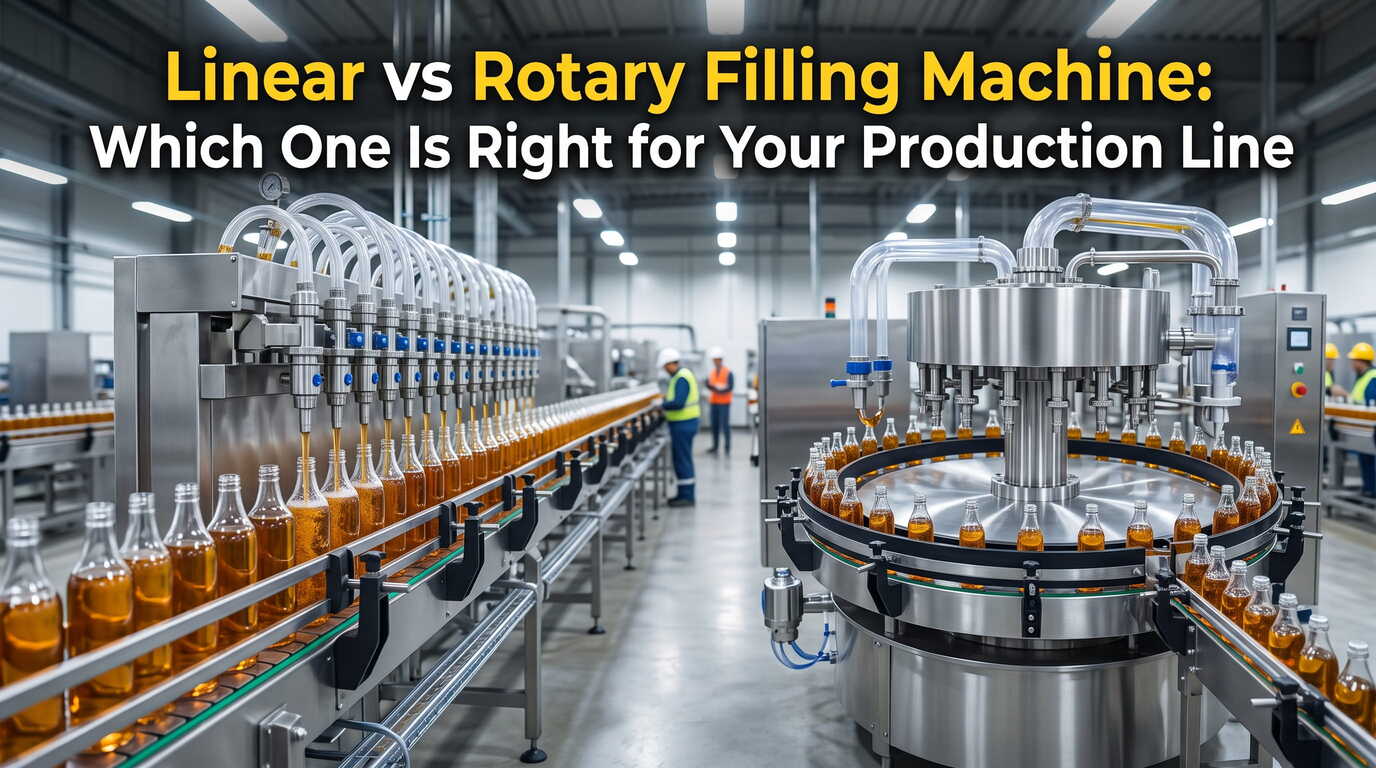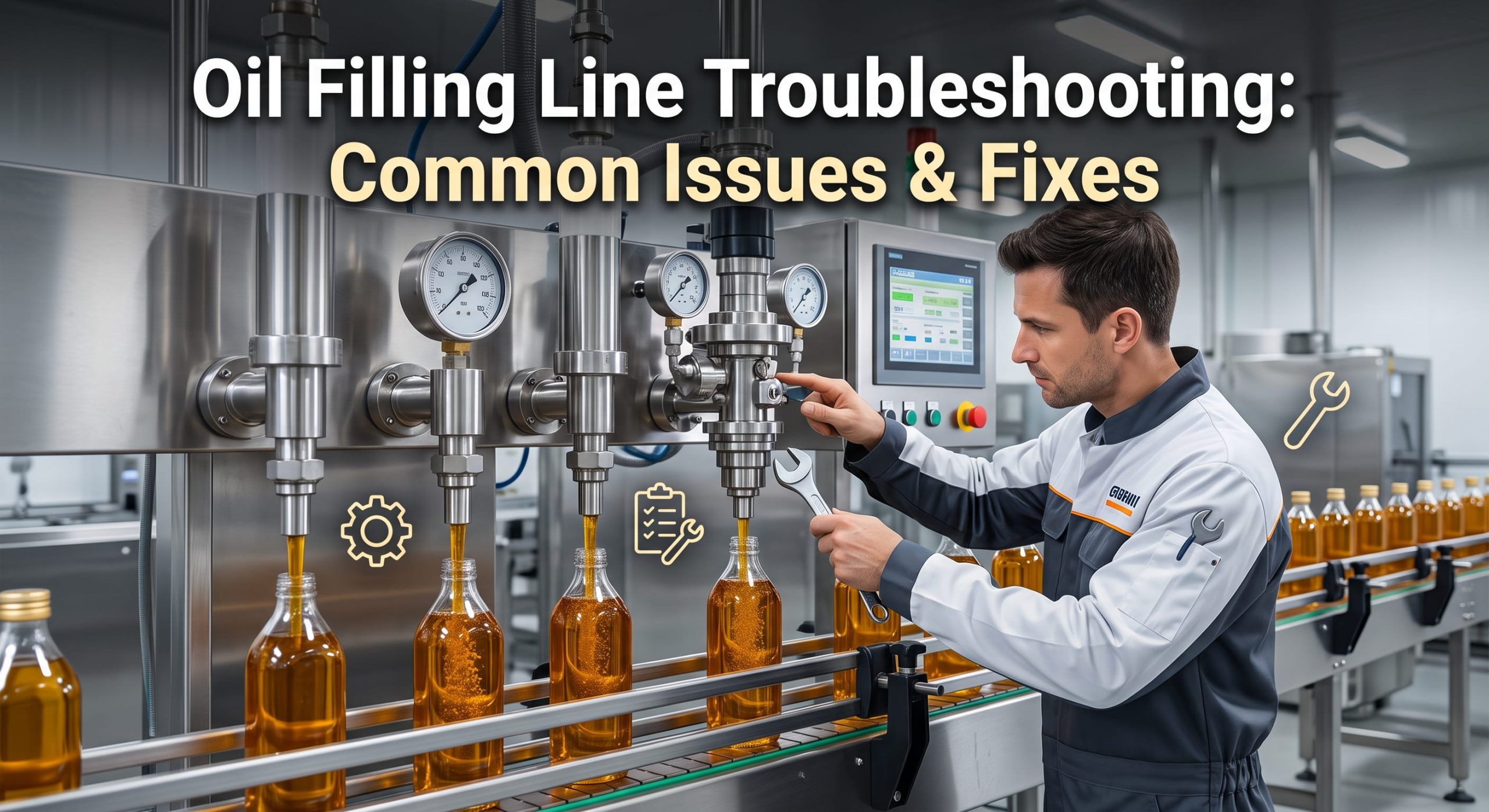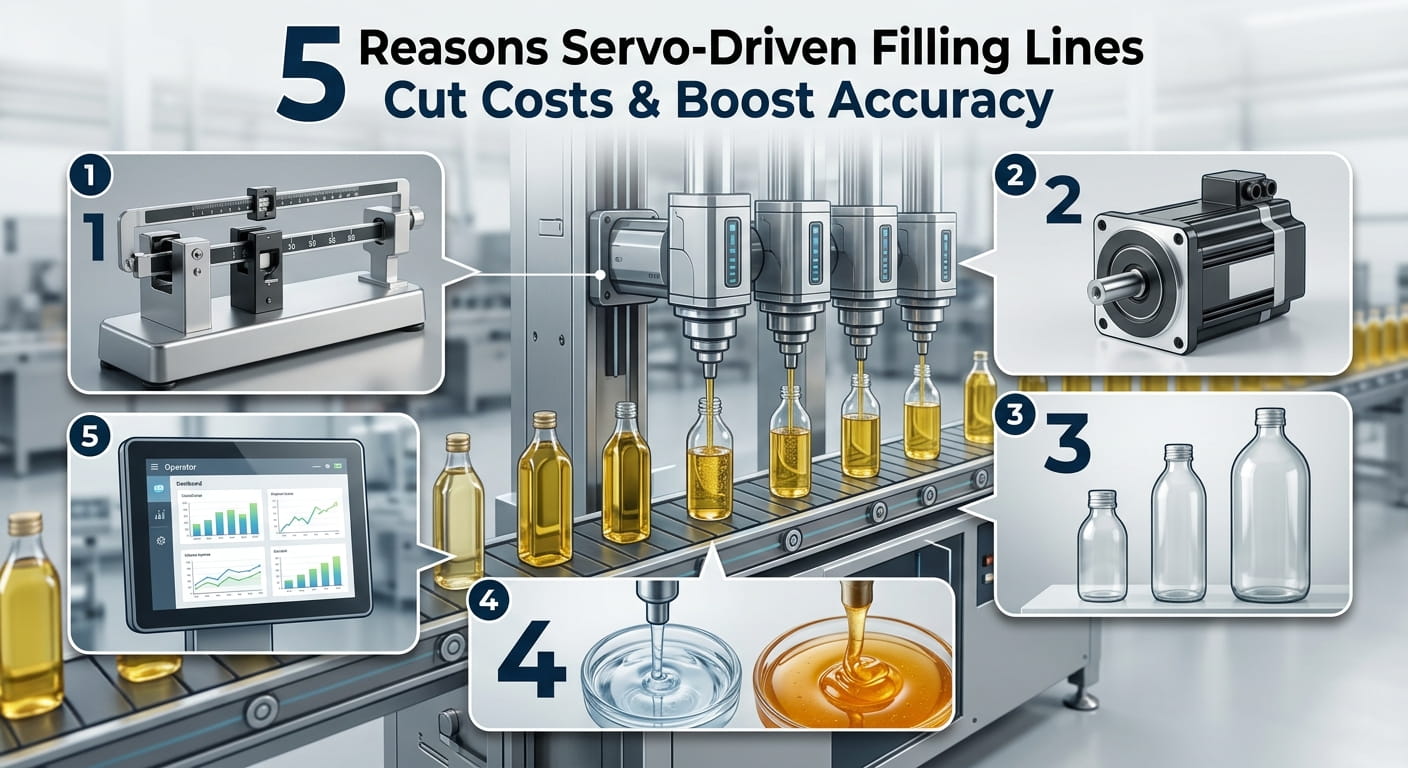
Water bottle filling machines are essential in a wide range of industries, from beverage production to pharmaceuticals. Among the various types of filling machines available, semi-automatic water bottle filling machines are gaining popularity due to their cost-effectiveness and operational efficiency. In this article, we will delve deep into the nuances of semi-automatic water bottle filling machines, exploring their pricing, features, advantages, and factors to consider when purchasing one.
What is a Semi-Automatic Water Bottle Filling Machine?
A semi-automatic water bottle filling machine is designed to streamline the filling process of bottles used for containing liquids, primarily water. Unlike fully automatic machines that require little to no human intervention, semi-automatic machines necessitate some manual operation, usually in loading the bottles and possibly in capping. These machines are beneficial for small to medium-scale operations, enabling businesses to improve productivity while keeping costs manageable.
Price Range of Semi-Automatic Water Bottle Filling Machines
The price of semi-automatic water bottle filling machines can vary significantly based on various factors including brand reputation, features, material quality, and specific functionalities. Generally, you can expect to find these machines priced anywhere from a few thousand dollars to tens of thousands of dollars. Below, we will examine the factors influencing the price of these machines.
1. Size and Capacity
The size and filling capacity are crucial determinants of price. Smaller machines that fill bottles at a rate of 500-1000 bottles per hour typically fall on the lower end of the pricing spectrum. Conversely, larger machines designed to accommodate greater volumes—up to 5000 bottles per hour or more—come at a higher cost. Businesses need to assess their production requirements before making a purchase decision.
2. Technology and Features
The technological sophistication of the machine also affects its price. Machines equipped with features such as adjustable filling speeds, digital displays, and automated cleaning systems entail higher costs. Advanced technology enhances operational efficiency, ensuring precision and reducing waste, making such machines a worthwhile investment for many businesses.
3. Material Quality
The materials used in constructing the filling machine play a significant role in the overall cost. High-quality stainless steel is often utilized for its durability and resistance to corrosion and contamination. Investing in machines made from high-grade materials can lead to lower maintenance costs and longer operational lifespans, ultimately offering better value over time.
4. Brand and Manufacturer
The reputation of the brand or manufacturer can significantly influence pricing. Established brands with a proven track record may charge a premium due to their reliability and customer support services. On the other hand, lesser-known brands might offer more competitive pricing but may lack the same level of quality assurance and after-sales support.
5. Customization Options
Customization can take the cost higher. If your production line has specific requirements—such as different bottle sizes or unique filling processes—you may need to invest more for a machine tailored to meet your needs. Customized machines can enhance efficiency and productivity, making them a smart choice for tailored operations.
Advantages of Semi-Automatic Water Bottle Filling Machines
While they do require some manual intervention, semi-automatic water bottle filling machines offer several advantages that make them a preferred choice for many businesses:
1. Cost-Effectiveness
One of the primary advantages is their affordability compared to fully automatic machines. Businesses with limited budgets can enjoy benefits such as increased efficiency and productivity without making a significant financial commitment.
2. Versatility
Semi-automatic machines are adaptable to different bottle sizes and types, making them suitable for various industries. This versatility can be advantageous for businesses that have varying production needs or offer multiple product lines.
3. Operational Simplicity
The semi-automatic nature allows for ease of operation. Most machines are designed for simple assembly and are user-friendly, requiring minimal training for operators. Additionally, controlling the filling process manually permits adjustments in real-time to accommodate slight variations in bottle sizes or product viscosity.
4. Enhanced Control Over Production
Since operators are involved in the filling process, businesses can maintain a higher level of quality control. This direct oversight means that problems can be identified and rectified swiftly, reducing waste and improving overall efficiency.
5. Lower Maintenance Costs
These machines often entail fewer moving parts than fully automatic counterparts, potentially leading to reduced wear and tear. Consequently, maintenance costs and downtime can be lower, contributing to long-term savings.
Factors to Consider Before Purchase
When investing in a semi-automatic water bottle filling machine, several factors should be carefully evaluated to ensure that the machine meets your specific needs:
1. Production Volume
Assess your production volume and growth projections. If you foresee an increase in demand over time, it might be worthwhile to invest in a machine that has a higher capacity than currently needed.
2. Space Constraints
Evaluate the available space for installation. Semi-automatic machines require adequate room not only for the machine itself but also for proper workflow. Ensure logistical considerations are made before deciding on the machine size.
3. Ease of Operation
Consider the training and skill level of your workforce. Opt for machines that are simple to operate and maintain, minimizing the amount of specialized training required.
4. Supplier Support and Warranty
Research suppliers thoroughly. Choose a manufacturer that offers comprehensive support, including installation, training, and maintenance services. A solid warranty is also crucial, providing peace of mind regarding potential future issues.
5. Compliance and Regulation
Lastly, ensure that the machine complies with industry regulations regarding hygiene and safety. Investing in compliant equipment not only mitigates risks but can also enhance your company’s reputation in the market.
Conclusion
The semi-automatic water bottle filling machine presents an excellent balance between efficiency and affordability, making it an attractive option for many businesses. By understanding the various factors that influence pricing, the advantages these machines offer, and the considerations needed for purchasing, businesses can make informed decisions that align with their operational objectives. For organizations keen on enhancing their productivity without incurring excessive costs, a semi-automatic water bottle filling machine could be the right solution.