
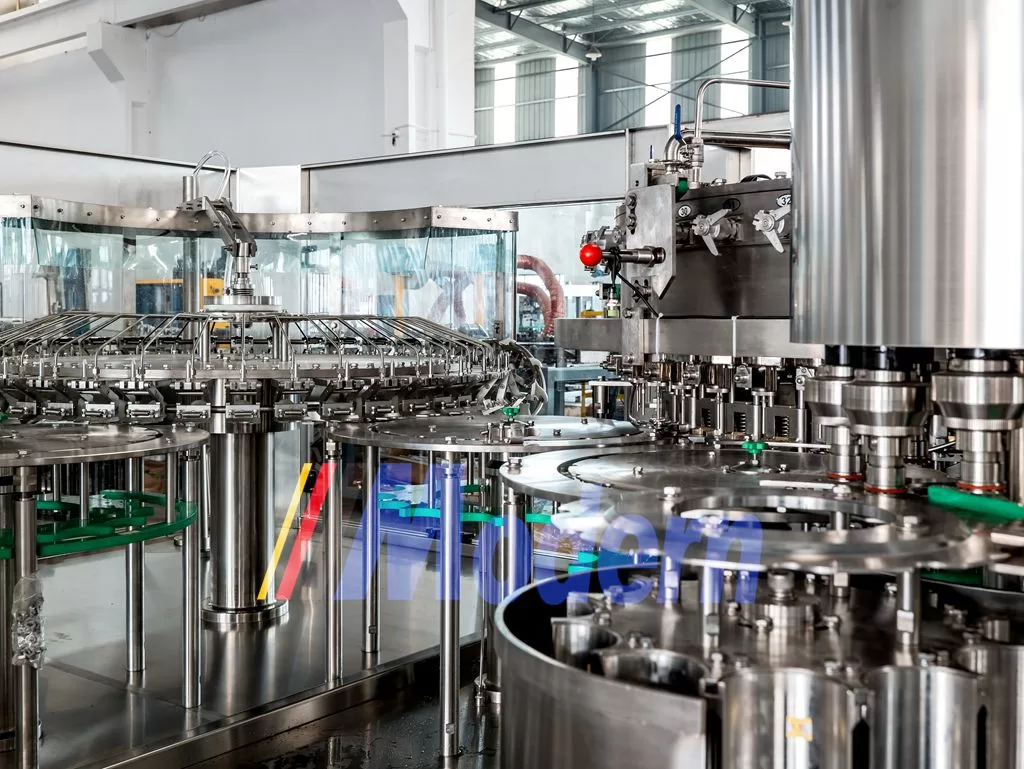
In today’s globalized market, the demand for alcoholic beverages continues to rise, leading to a parallel increase in manufacturing efficiency and quality. At the heart of this production revolution lies the alcohol filling machine factory—a critical element in the bottling and packaging processes that ensure compliance with health standards, enhance product longevity, and improve marketability. This article delves into various aspects of alcohol filling machines, examining their types, technology, operational standards, and the role of these machines in the international trade landscape.
Types of Alcohol Filling Machines
Alcohol filling machines come in various configurations, each designed to meet the specific needs of different production scales and types of beverage. Understanding these types is essential for manufacturers and exporters looking to optimize their production lines.
1. Gravity Filling Machines
Gravity filling machines utilize the force of gravity to fill containers with liquid. This technology is straightforward, making it a cost-effective solution for small to medium-scale productions. However, precision can be a concern as the filling level can fluctuate depending on tank levels and viscosity.
2. Pressure Filling Machines
For carbonated beverages, pressure filling machines are often the preferred choice. Utilizing an air pressure system, these machines can fill bottles without disrupting the carbonation, ensuring the integrity of beverages such as beer and sparkling wines. Effective in maintaining product quality, pressure filling machines are ideal for high-volume production lines.
3. Vacuum Filling Machines
Vacuum filling machines work on the principle of creating a vacuum in the bottle, allowing for a precise amount of liquid to be drawn into the container. This method is particularly useful for high-viscosity liquids and is often utilized in filling thicker alcoholic beverages such as port or dessert wines.
4. Electronic Filling Machines
As technology evolves, so do filling machines. Electronic filling machines have emerged as leaders in precision and efficiency. These machines use sensors and automation technology to regulate the filling process, allowing for high-speed operations while minimizing waste. This advanced functionality makes them suitable for large-scale manufacturing.
Innovative Technologies in Filling Machines
The alcohol filling machine sector has witnessed significant technological advancements, contributing to increased productivity and enhanced product quality. Understanding these innovations can help businesses make informed investment decisions.
1. Automation and Robotics
Automation is arguably the most impactful development in the alcohol filling industry. The integration of robots into filling lines enables manufacturers to streamline operations, minimize human error, and reduce labor costs. Automated systems can work continuously without breaks, thus increasing output without compromising quality.
2. Smart Sensors
Modern filling machines are equipped with smart sensors that monitor factors such as flow rate, pressure, and filling levels in real time. These sensors allow for immediate adjustments during production, enhancing accuracy and maintaining uniformity across batches.
3. Eco-Friendly Solutions
With the increasing emphasis on sustainability, many factories are now seeking eco-friendly filling solutions. This includes using recyclable materials, reducing energy consumption, and implementing water recycling systems to minimize waste. Manufacturers that prioritize eco-friendliness can enhance their market reputation and meet the growing consumer demand for sustainable products.
Operational Standards and Regulatory Compliance
Compliance with operational standards and regulatory requirements is essential for alcohol filling machine factories. Understanding these regulations can prevent costly fines and ensure smooth international trade.
1. Quality Control Systems
Implementing robust quality control (QC) systems is fundamental in any alcohol filling facility. Regular testing and validation of filling machines help ensure that they meet industry standards for precision and hygiene. Using statistical process control (SPC) can help in monitoring the production process and addressing any deviations proactively.
2. Compliance with Food Safety Regulations
Alcoholic beverages must meet stringent safety regulations set forth by international health organizations. These cover aspects such as the cleanliness of machinery and the safety of the ingredients used. Factories must also ensure proper labelling follows the regulations of the countries they export to, which often vary significantly.
3. Training and Certification
Staff training is crucial in maintaining operational standards. Regular training ensures that employees are updated on the latest technologies and practices and are aware of the regulatory requirements. Certification programs related to food safety can add credibility to the factory and enhance its marketability.
Market Analysis and Trading Dynamics
Understanding market dynamics is crucial for the successful operation of an alcohol filling machine factory, particularly for businesses engaged in international trade.
1. Identifying Target Markets
Identifying and understanding target markets is the first step for factories eager to expand their reach. Analyzing the preferences and consumption patterns of different regions can uncover opportunities for tailored products. For instance, countries with a strong craft beer culture may require different filling solutions compared to markets focused on premium wines.
2. Competitor Analysis
The competitive landscape is constantly changing, making it imperative for factories to conduct thorough competitor analyses. Understanding what competitors are offering can help factories differentiate themselves by either improving technology, adopting sustainable practices, or enhancing customer service.
3. Exploring eCommerce Opportunities
With the rise of digital platforms, exploring eCommerce opportunities presents a fresh avenue for reaching new customers. B2B marketplaces allow factories to connect with international buyers outside traditional networks, thus broadening their market presence.
Conclusion
The alcohol filling machine factory serves as a cornerstone of the beverage production industry, integrating advanced technology, adhering to strict compliance standards, and meeting market demands. By staying informed of the latest innovations, operational procedures, and market dynamics, manufacturers can enhance their production processes, ultimately leading to heightened profitability and competitive advantage in the global trade arena. As the alcohol market continues to evolve, the importance of efficient and sustainable filling solutions will only grow, ensuring that factories remain at the forefront of this ever-expanding industry.


