
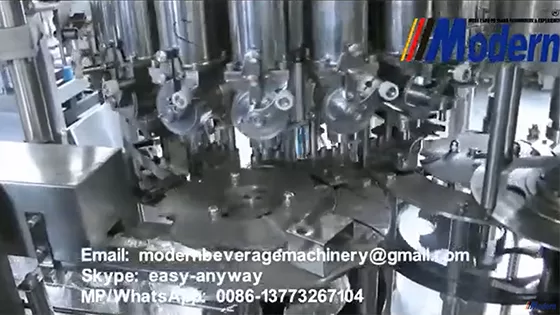
In the world of manufacturing and packaging, the efficiency and reliability of equipment are paramount. One crucial piece of technology in this domain is the non-carbonated liquid filling machine. As industries expand and consumer demands evolve, understanding these machines becomes essential for optimizing production processes. This article explores the functionalities, types, advantages, and application areas of non-carbonated liquid filling machines, while also offering practical insights into selecting the ideal machinery for your operations.
What is a Non-Carbonated Liquid Filling Machine?
A non-carbonated liquid filling machine is designed to fill containers with various liquids that do not contain carbonation. These machines are widely used across multiple sectors, including beverages, cosmetics, pharmaceuticals, and food products. The primary objective of these systems is to enhance the efficiency of the filling process while ensuring accuracy, consistency, and minimal waste.
Key Components of Non-Carbonated Liquid Filling Machines
Typically, non-carbonated liquid filling machines consist of several essential components, including:
- Filling Nozzles: These are vital for the precise supply of liquid into containers. Different types of nozzles are available, depending on the viscosity and type of liquid.
- Conveying Systems: Conveyors facilitate the automatic movement of containers, significantly reducing manual labor.
- Control Panels: Modern machines come equipped with user-friendly interfaces for easy operation and monitoring.
- Pump Systems: These systems help in transferring liquids from holding tanks to filling nozzles, ensuring a continuous flow.
- Safety Mechanisms: Many machines include features to ensure worker safety and prevent spills or contamination.
Types of Non-Carbonated Liquid Filling Machines
Non-carbonated liquid filling machines can be categorized into different types, each designed for specific applications. Here are the most common types:
Volumetric Fillers
Volumetric fillers measure the volume of liquid to be filled and ensure consistent fill levels in each container. They are widely used in industries such as food and cosmetics, where precise measurements are crucial. Volumetric systems can be operated manually or automatically, making them versatile for various production scales.
Piston Fillers
Piston filling machines utilize a piston mechanism that draws liquid into a cylinder before discharging it into a container. This filling method is especially effective for high-viscosity liquids such as sauces and creams. Piston machines ensure high accuracy and can handle varying container shapes and sizes.
Gravity Fillers
Gravity filling machines exploit the natural force of gravity to dispense liquid into containers. This type is typically used for low-viscosity liquids. Gravity fillers are straightforward in design and highly reliable, making them a popular choice in many industries.
Pressure Fillers
Pressure filling machines use air pressure to dispense liquid into containers. This method is beneficial for products that require quick filling, as it reduces the risk of foaming. Pressure fillers are often utilized in the beverage industry for non-carbonated drinks.
Advantages of Non-Carbonated Liquid Filling Machines
The adoption of non-carbonated liquid filling machines offers numerous benefits, including:
Increased Efficiency
Automation in filling operations significantly speeds up production while minimizing labor costs. Non-carbonated liquid filling machines can handle large volumes of product, which enhances overall operational efficiency.
Enhanced Accuracy
These machines ensure precise fill levels, reducing overfilling and underfilling occurrences. This accuracy minimizes waste and ensures compliance with industry standards for packaging.
Versatility
Non-carbonated liquid filling machines can handle a wide variety of products, including sauces, oils, detergents, and personal care items. This flexibility allows manufacturers to diversify their product range without investing in multiple machines.
Reduced Labor Costs
Automation leads to decreased dependency on manual labor, resulting in reduced labor-related expenses. Employees can focus on more valuable tasks, such as quality control and machinery maintenance.
Factors to Consider When Choosing a Non-Carbonated Liquid Filling Machine
Selecting the right non-carbonated liquid filling machine requires careful consideration of various factors:
Product Characteristics
Understanding the characteristics of the liquid to be filled is crucial. Consider factors such as viscosity, temperature, and any specific handling requirements. This information will help determine the best type of filler for your application.
Production Volume
Your production volume needs will influence the choice of machinery. Evaluate the number of containers you expect to fill per hour or day, and ensure the selected machine can meet those demands efficiently.
Container Types
The shape and material of the containers should align with the filling machines’ specifications. Assess whether you require machinery capable of handling diverse container sizes and types, including glass, plastic, and metal.
Budget Considerations
Establishing a budget is critical when investing in filling machinery. Weigh the costs against the expected return on investment (ROI) and consider long-term maintenance expenses to ensure financial feasibility.
Safety and Maintenance of Liquid Filling Machines
Maintaining optimal performance and safety standards is crucial for any manufacturing operation. Here are some essential practices for maintaining non-carbonated liquid filling machines:
Regular Inspections
Conduct regular inspections and maintenance checks to identify and address potential issues promptly. This proactive approach will help minimize downtime and extend equipment lifespan.
Training for Operators
Ensure that operators are adequately trained in machine operation, safety procedures, and troubleshooting. Competent personnel are essential for maintaining smooth operations and preventing accidents.
Cleaning Protocols
Implement rigorous cleaning protocols to prevent contamination, especially in industries dealing with consumables. Regular cleaning ensures the equipment remains in good working condition and meets health and safety standards.
Conclusion: The Future of Non-Carbonated Liquid Filling Machines
The non-carbonated liquid filling machine represents a vital component in modern manufacturing. As industries continue to evolve, embracing automation and efficiency is paramount. By investing in the right non-carbonated liquid filling machines and practices, businesses can optimize their production processes, meet consumer demands, and remain competitive in an ever-changing market.
In conclusion, understanding the nuances of non-carbonated liquid filling machines empowers manufacturers to make informed decisions. Through careful consideration of product characteristics, production volume, safety, and maintenance, businesses can enhance their operational capacity and pursue sustainable growth in today’s dynamic landscape.


