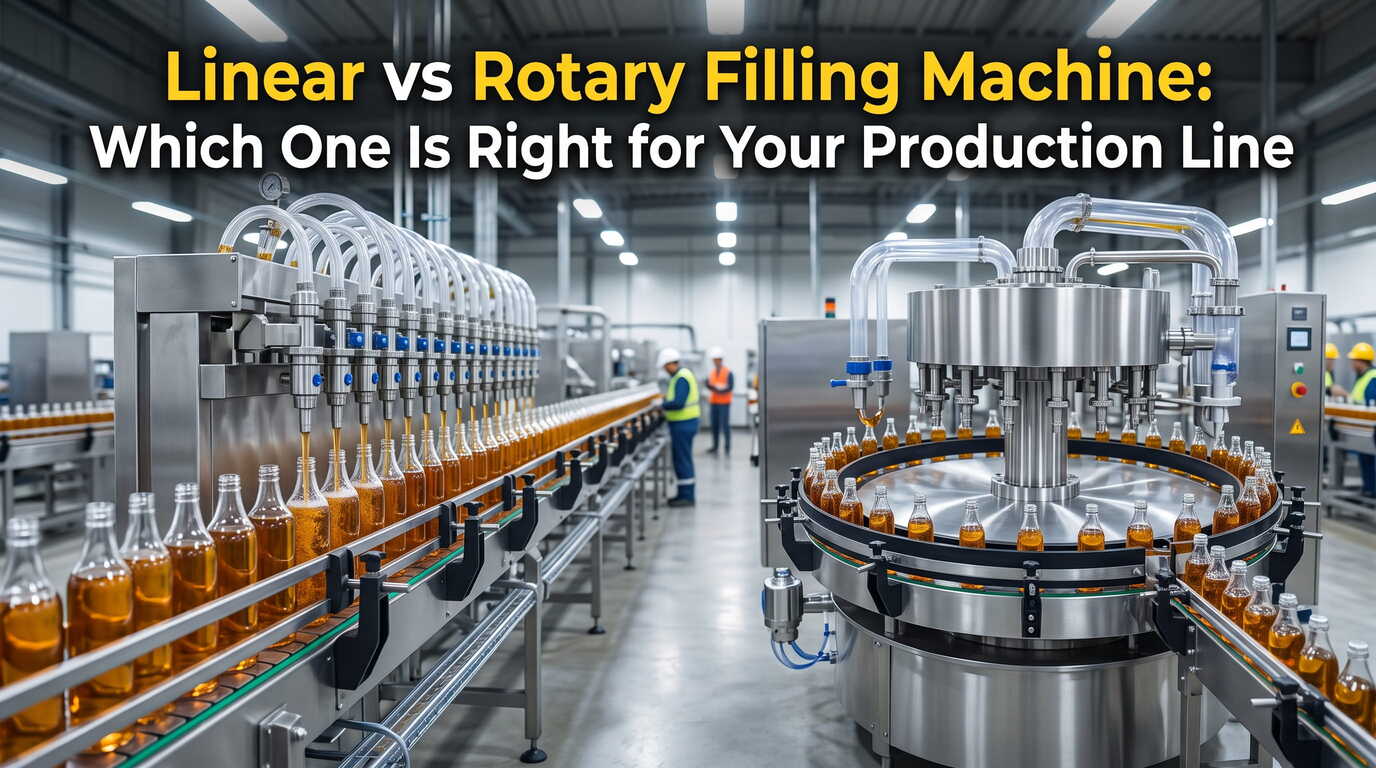
In the competitive world of beverage production, efficiency and quality are paramount. Juice filling machinery plays a critical role in ensuring that products are filled accurately and packaged securely. This article explores the various dimensions of juice filling machinery, including its types, functionalities, benefits, and considerations for businesses looking to invest in this essential equipment.
1. The Importance of Juice Filling Machinery
The juice industry has witnessed substantial growth over the past few decades, driven by increasing consumer demand for healthy and refreshing beverages. As a result, manufacturers are under pressure to optimize their production processes. Juice filling machinery is vital in this regard, as it automates the filling process, enhances productivity, and reduces the risk of contamination.
2. Types of Juice Filling Machinery
Understanding the different types of juice filling machinery is essential for manufacturers to choose the right equipment for their production needs. The primary categories include:
2.1 Gravity Fillers
Gravity fillers are one of the simplest types of filling machines. They operate on the principle of gravity, allowing juice to flow from a tank into containers. This type is ideal for low-viscosity liquids and is often used for filling bottles and cartons. However, gravity fillers may not be suitable for high-speed production lines due to their slower filling rates.
2.2 Pressure Fillers
Pressure fillers utilize air pressure to push juice into containers. This method is effective for both low and high viscosity liquids, making it versatile for various juice products. Pressure filling machines can achieve higher speeds than gravity fillers, making them suitable for large-scale production.
2.3 Vacuum Fillers
Vacuum fillers operate by creating a vacuum in the container before filling it with juice. This method minimizes the risk of air bubbles and oxidation, preserving the juice’s freshness and flavor. Vacuum filling machines are particularly beneficial for sensitive juice products that require careful handling.
2.4 Aseptic Fillers
Aseptic filling technology is crucial for extending the shelf life of juice products without refrigeration. Aseptic fillers sterilize both the juice and the containers before filling, ensuring that the final product is free from contaminants. This technology is especially important for manufacturers aiming to export their products internationally.
3. Key Features of Juice Filling Machinery
When selecting juice filling machinery, several key features should be considered to ensure optimal performance:
3.1 Speed and Efficiency
Production speed is a critical factor for juice manufacturers. High-speed filling machines can significantly increase output, allowing companies to meet growing consumer demand. It’s essential to assess the machine’s filling speed in relation to the overall production line to ensure seamless operation.
3.2 Accuracy and Precision
Accurate filling is vital to maintain product quality and minimize waste. Modern juice filling machines are equipped with advanced sensors and controls that ensure precise filling volumes. This precision helps maintain consistency across batches, which is crucial for brand integrity.
3.3 Ease of Cleaning and Maintenance
Hygiene is a top priority in the food and beverage industry. Juice filling machinery should be designed for easy cleaning and maintenance to prevent contamination. Look for machines with removable parts and smooth surfaces that facilitate thorough cleaning.
3.4 Flexibility and Adaptability
As consumer preferences evolve, manufacturers may need to adapt their product offerings. Juice filling machines that can accommodate various container sizes and types provide the flexibility needed to respond to market changes. Consider equipment that offers quick-change features for different juice products.
4. Benefits of Investing in Quality Juice Filling Machinery
Investing in high-quality juice filling machinery can yield numerous advantages for manufacturers:
4.1 Increased Production Capacity
By automating the filling process, manufacturers can significantly increase their production capacity. This efficiency allows businesses to scale operations and meet rising consumer demands without compromising quality.
4.2 Cost Savings
While the initial investment in juice filling machinery may be substantial, the long-term cost savings can be significant. Automation reduces labor costs, minimizes product waste, and enhances overall operational efficiency, leading to improved profit margins.
4.3 Enhanced Product Quality
Quality control is critical in the juice industry. Advanced filling machinery ensures consistent filling volumes, reducing the risk of overfilling or underfilling. Additionally, features such as aseptic filling help maintain the integrity of the juice, preserving its taste and nutritional value.
4.4 Improved Safety Standards