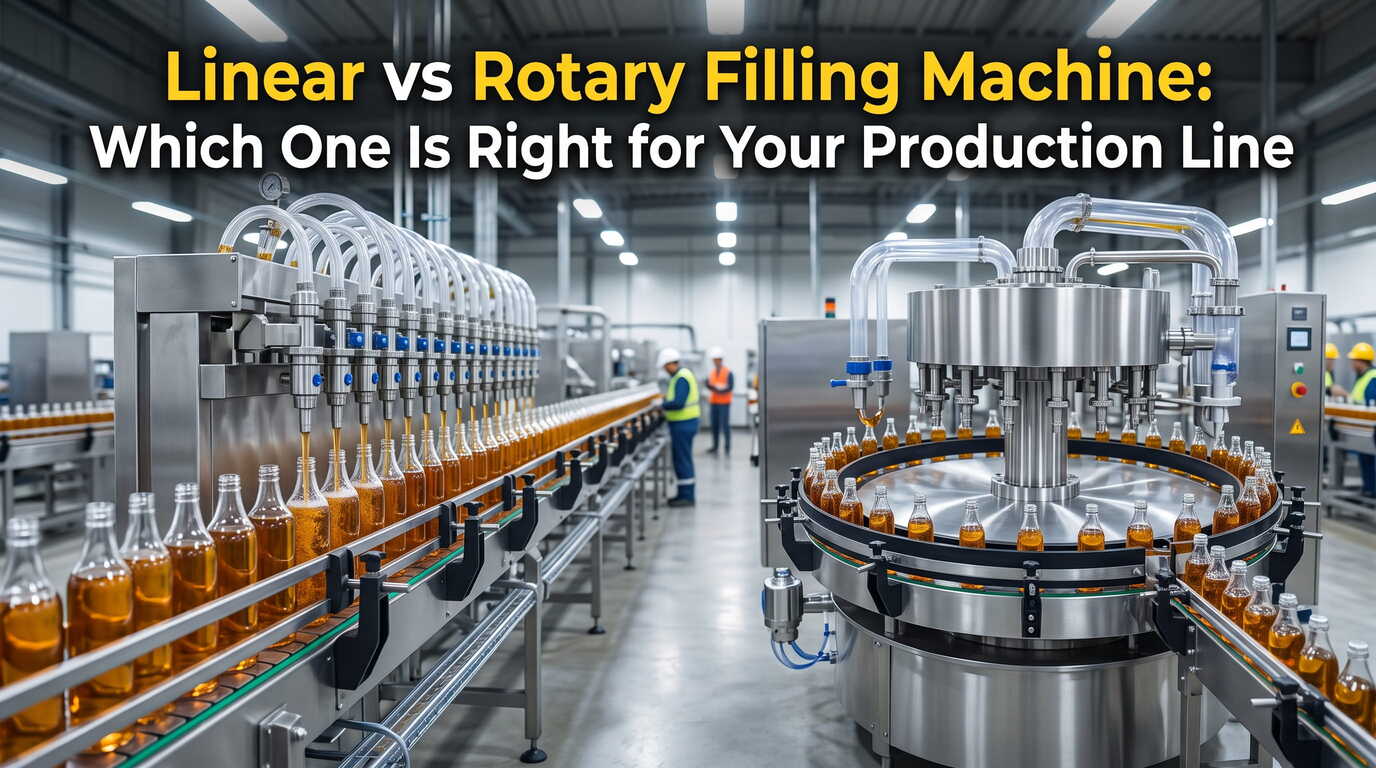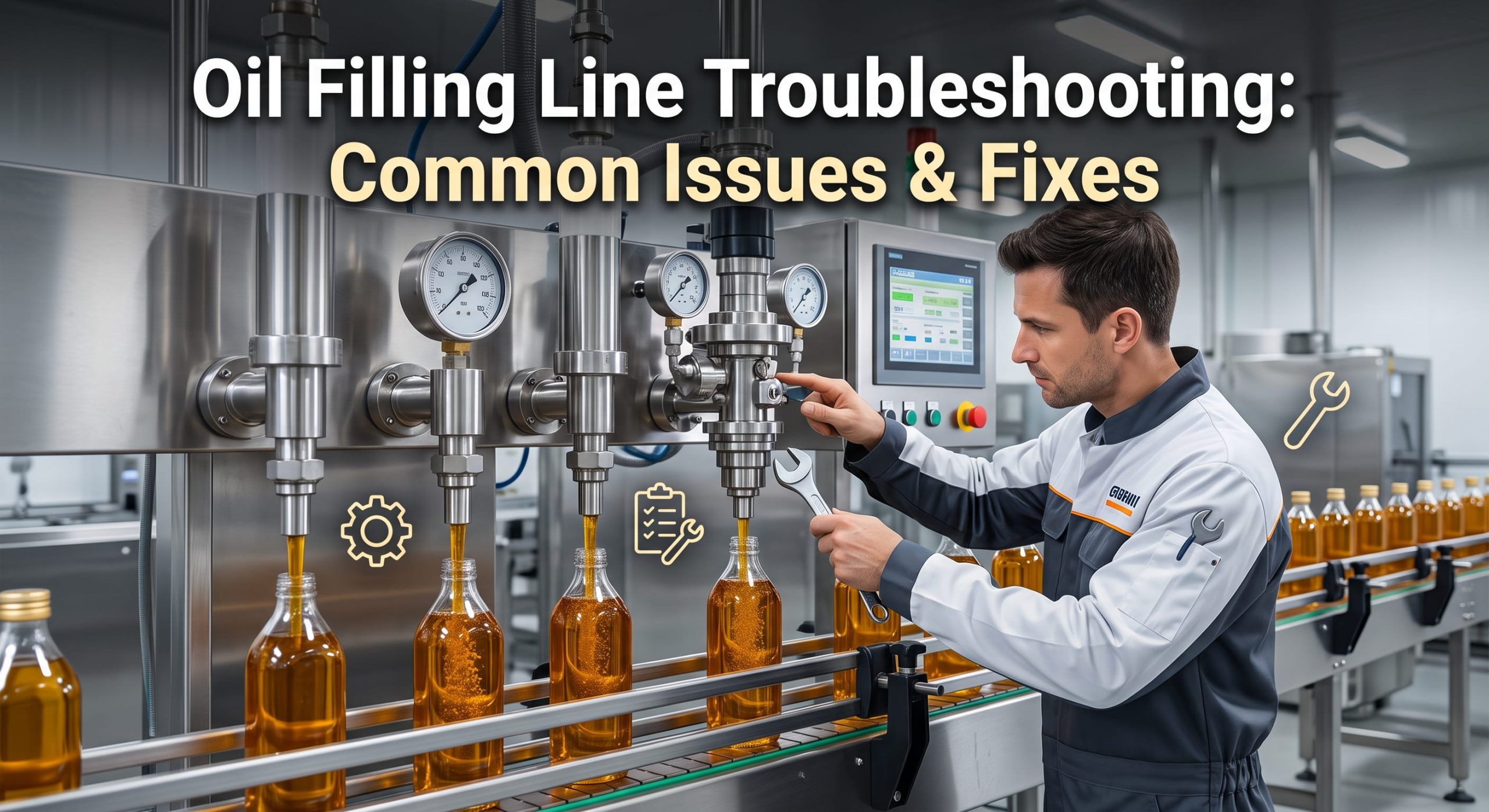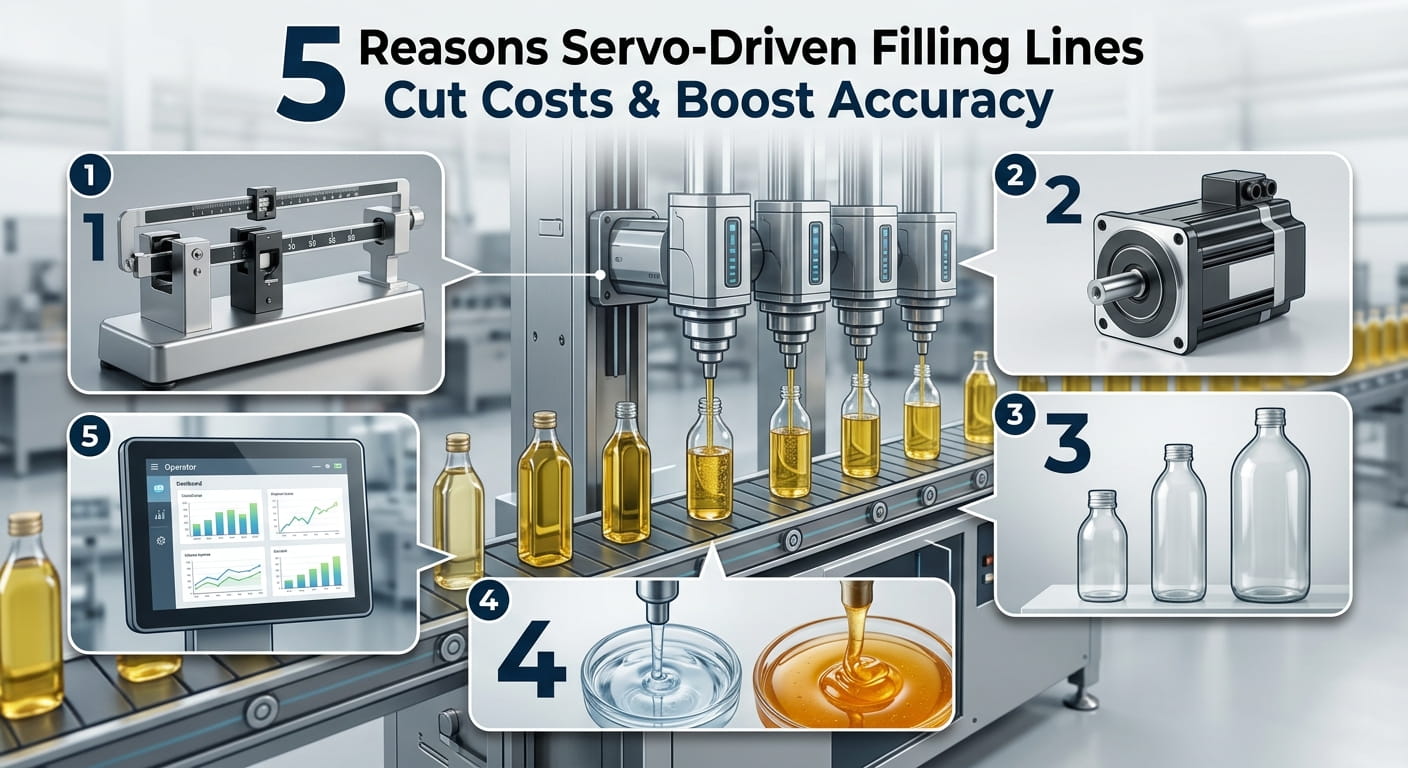

As the beverage industry continues to evolve, one of the key components driving this transformation is the juice filler machine. In an era where consumer demand for fresh and natural beverages is at an all-time high, understanding the various aspects of juice filler machines can provide critical insights for manufacturers, distributors, and entrepreneurs alike. This article aims to delve into the intricacies of juice filler machines, their operational mechanisms, types, benefits, considerations for use, and future trends influencing their development.
What is a Juice Filler Machine?
A juice filler machine is a specialized equipment designed for accurately filling bottles or containers with juice. These machines ensure that juice is dispensed in a hygienic manner, while also optimizing the production line’s efficiency. Juice filling machines vary in specifications based on the type of juice being processed, the volume of the production, and the degree of automation desired.
Types of Juice Filler Machines
1. Gravity Juice Filling Machines
Gravity juice filling machines work on the principle of utilizing gravity to dispense juice into bottles. This method is particularly effective for thin liquids such as water and light juices. The machine’s main components include a hopper where the juice is stored and a nozzle that dispenses it into containers. This type is known for its simplicity and ease of use, making it a common choice for smaller operations.
2. Vacuum Juice Filling Machines
Vacuum filling machines operate by creating a vacuum that draws the juice into the container. This method significantly reduces the risk of foaming, making it ideal for filling carbonated juices and thicker liquids. The vacuum mechanism ensures a smooth filling process without air entrapment, preserving the integrity and quality of the juice.
3. Piston Juice Filling Machines
Piston filling machines utilize a piston mechanism to draw juice from a storage tank and accurately fill containers to a set volume. This type is highly versatile and is suited for filling various viscosities of juice, from thin liquids to thick purees. The precision offered by piston machines makes them a preferred choice in mass production environments.
4. Electronic Filler Machines
Electronic juice filler machines incorporate sophisticated technologies to automate the filling process. Equipped with advanced controls and sensors, these machines ensure precise filling with minimal human intervention. Features such as adjustable filling speeds, automatic shut-off, and monitoring systems for consistency help improve production efficiency and accuracy.
The Importance of Choosing the Right Juice Filler Machine
Investing in the right juice filler machine can significantly affect the efficiency of a beverage production line. Several factors need to be considered when selecting the appropriate machine:
1. Type of Juice
The viscosity and characteristics of the juice will dictate the type of filler machine needed. For instance, thicker juices may require piston or vacuum fillers, while lighter fluids can be managed effectively with gravity machines.
2. Production Volume
Understanding the intended production volume is critical. Low-volume operations may benefit from semi-automatic machines, while larger setups would require fully automated systems to maintain efficiency and reduce labor costs.
3. Budget Considerations
The cost of machinery can vary significantly based on type, brand, and features. Businesses should balance their budget constraints with operational needs, often seeking cost-effective solutions that do not compromise quality.
Operational Efficiency and Maintenance
Operating a juice filler machine involves adhering to specific best practices that enhance efficiency and prolong the machine’s lifespan:
1. Regular Maintenance
Routine maintenance checks are essential to ensure that the machine operates effectively. This includes cleaning, lubrication, and replacing worn-out parts. A well-maintained machine reduces the risk of breakdowns and ensures a consistent production output.
2. Staff Training
Training staff on the operation and basic troubleshooting of the filling machines can significantly impact overall efficiency. Ensuring that operators understand the machine’s functionalities and safety protocols can prevent operational mishaps and reduce downtime.
3. Quality Control
Implementing a robust quality control (QC) system is vital. Regular checks on the filling volume, measurement accuracy, and hygiene standards will ensure the final product meets consumer expectations and regulatory requirements.
Benefits of Juice Filler Machines
Investing in juice filler machines offers numerous benefits that can enhance the operational efficacy of beverage production:
1. Enhanced Efficiency
Juice filling machines streamline the filling process, significantly reducing the time taken to bottle juices compared to manual filling methods. This increase in operational speed can lead to higher production rates and improved turnaround times.
2. Consistent Quality
Automated filling processes minimize human error, facilitating uniformity in product quality. This consistency is essential for maintaining brand reputation and meeting consumer expectations.
3. Improved Hygiene
Juice filler machines are designed to uphold high hygiene standards, which are pivotal in the food and beverage industry. Automated systems minimize human contact with the product, reducing contamination risks.
Future Trends Shaping Juice Filler Technology
As the beverage industry continues to advance, emerging trends are influencing the development of juice filler machines:
1. Sustainable Practices
There is a growing focus on sustainability within the manufacturing sector. Juice filler machines are increasingly being designed with eco-friendly materials and energy-efficient technologies, which not only help businesses reduce their carbon footprint but also appeal to environmentally conscious consumers.
2. Industry 4.0 and IoT Integration
The integration of the Internet of Things (IoT) into juice filling technology is revolutionizing operational capabilities. Smart machines can provide real-time data on production metrics, identify maintenance needs, and optimize performance based on historical data analysis.
3. Customization and Flexibility
With diverse consumer preferences, the demand for customized beverage solutions is on the rise. Future juice filling machines will likely offer greater flexibility to accommodate various bottle sizes, shapes, and juice types, allowing producers to adapt quickly to market trends.
Conclusion
In conclusion, juice filler machines serve as a cornerstone in the production of beverages, playing a pivotal role in ensuring quality, efficiency, and hygiene. By understanding the various types of filler machines, their operational benefits, and the importance of future-proofing through innovation, companies can better navigate the dynamic landscape of the beverage industry. Investing in the right filling solution not only enhances productivity but also positions businesses to meet the ever-evolving demands of consumers in today’s marketplace.