
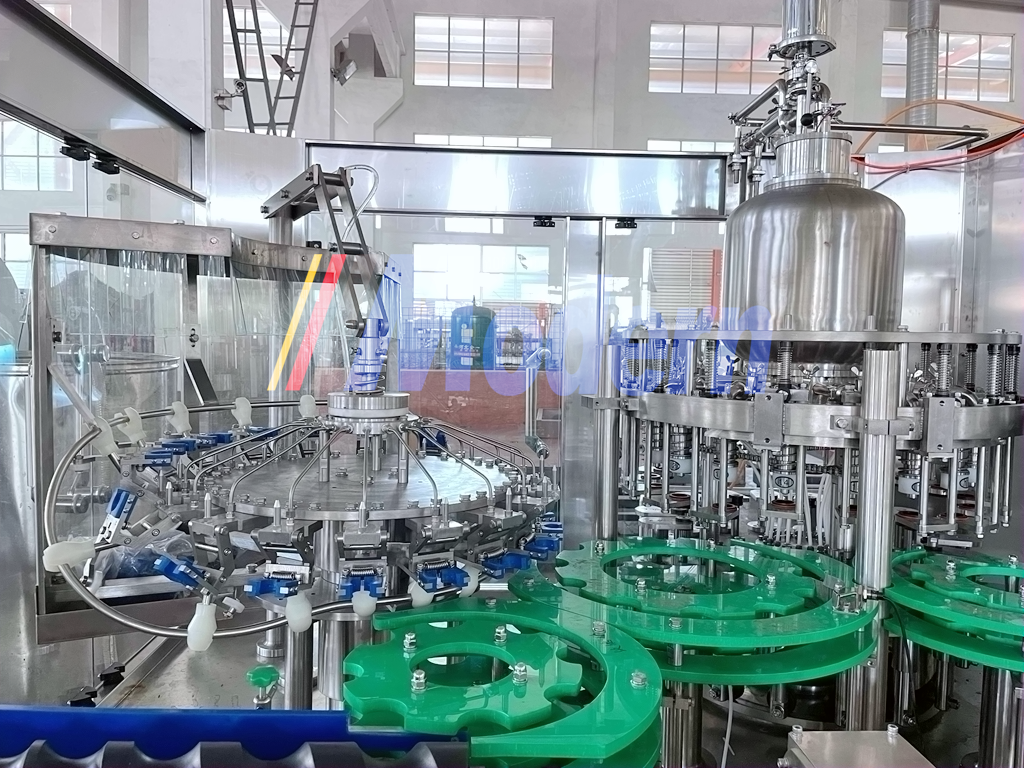
In the ever-evolving landscape of the beverage industry, juice bottling equipment plays a pivotal role in ensuring that fresh, high-quality juice reaches the consumer efficiently and safely. The art of bottling juice is not merely about pouring liquid into a container; it involves a complex interplay of technologies, processes, and equipment that ensure quality, flavor preservation, and safety. This article delves into the depths of juice bottling equipment, exploring its importance, various types, considerations for selection, and maintenance practices.
The Importance of Juice Bottling Equipment
The demand for juice has skyrocketed over the years due to increasing health consciousness among consumers. As more people seek nutritious options and alternatives to carbonated beverages, the juice market continues to grow. Effective juice bottling equipment is essential for manufacturers, as it not only enhances productivity but also guarantees product integrity. Key reasons include:
- Quality Preservation: Juice bottling equipment is designed to minimize the exposure of juice to air and contaminants, preserving its freshness and nutritional value.
- Scalability: Modern bottling equipment allows businesses to scale operations, meeting increasing demand without compromising quality.
- Safety Compliance: Ensuring that products are bottled in sanitary conditions is crucial for meeting health and safety regulations.
- Cost Efficiency: Automated bottling lines reduce labor costs and operational inefficiencies, maximizing profit margins.
Types of Juice Bottling Equipment
Understanding the different types of juice bottling equipment is essential for businesses looking to invest in or upgrade their operations. Here are some of the primary categories:
1. Filling Machines
Filling machines come in various types, including:
- Gravity Fillers: These machines rely on gravity to fill bottles with juice. They are well-suited for less viscous juices but may not be ideal for thicker products.
- Pneumatic Fillers: Using air pressure, these machines provide greater control over the filling process, allowing for more precise volume fills.
- Vacuum Fillers: Vacuum filling uses suction to draw juice into the bottle, reducing air contact and preserving freshness.
2. Capping Machines
Capping machines are responsible for securing the closure on filled bottles. They come with various mechanisms:
- Screw Capping Machines: These machines twist a cap onto the bottle, ensuring a secure seal.
- Snap-on Cappers: These are used for snap-on caps, commonly found in juice packaging.
- Specialty Cappers: Designed for unique cap styles, providing versatility for different product lines.
3. Labeling Machines
Labeling machines apply adhesive labels to bottles, providing essential information like ingredients, nutritional facts, and branding.
4. Bottle Cleaning Systems
Prior to filling, ensuring that bottles are clean and sanitized is crucial. Cleaning systems utilize high-pressure jets, steam cleaning, or chemical rinses to ensure hygiene.
5. Packaging and Palletizing Equipment
After bottling, products must be packaged for shipping. Packaging machinery can automate the process of packing bottles into boxes, while palletizing equipment stacks boxes for transport.
Criteria for Selecting Juice Bottling Equipment
Choosing the right juice bottling equipment is critical for operational success. Here are some important criteria to consider:
1. Production Capacity
Assess your production needs to determine the operational capacity required. Evaluate current demand and anticipated growth to select equipment that can handle volume effectively.
2. Juice Type
The type of juice—whether it is pulp-rich, smooth, or thick—will influence the choice of filling and capping machinery. It’s essential to select equipment tailored to your product’s specific properties.
3. Cleanliness Standards
Compliance with food safety regulations is paramount. Choose equipment designed for easy cleaning and maintenance, and consider configurations that minimize contamination risks.
4. Automation Level
Evaluate the level of automation that fits your operational model. Fully automated lines can dramatically increase efficiency, but semi-automated or manual machines might be more suitable for smaller operations.
5. Flexibility and Adaptability
In a fast-changing market, equipment that can be easily adjusted for different bottle sizes, shapes, or fill types can future-proof your investment.
Maintenance and Best Practices
To ensure the longevity and efficiency of juice bottling equipment, regular maintenance is vital. Here are some best practices:
1. Regular Cleaning
Establish a rigorous cleaning schedule for all equipment components to prevent contamination and ensure product safety.
2. Routine Inspections
Conduct regular inspections to identify and rectify issues before they lead to equipment failure. This should include checking seals, belts, and alignment.
3. Training and Staff Education
Ensure that operators are thoroughly trained in operating the machines. Understanding the intricacies of bottling lines enhances efficiency and decreases the likelihood of errors or accidents.
4. Keeping Spare Parts
Maintain an inventory of essential spare parts to minimize downtime in case of equipment failure. This preparation can save significant time and costs in operations.
5. Partnering with Experts
Engage with industry experts for advice on optimal practices, new technologies, and maintenance strategies. Collaboration can provide insights that improve efficiency and quality.
Conclusion
Juice bottling equipment stands at the crossroads of technology and consumer preference, playing an indispensable role in the beverage industry. By understanding the types of equipment available, making informed decisions during the selection process, and implementing diligent maintenance routines, businesses can enhance their operational efficiency, ensure product safety, and ultimately, satisfy consumer demand. The right investment in bottling technology can drive profitability and elevate a brand’s market presence in an increasingly competitive landscape.
Investing in quality juice bottling equipment is no longer optional, but a necessity for those seeking to thrive in the vibrant and growing beverage market. Embrace this challenge with knowledge and foresight, and your venture will surely reap the rewards.


