
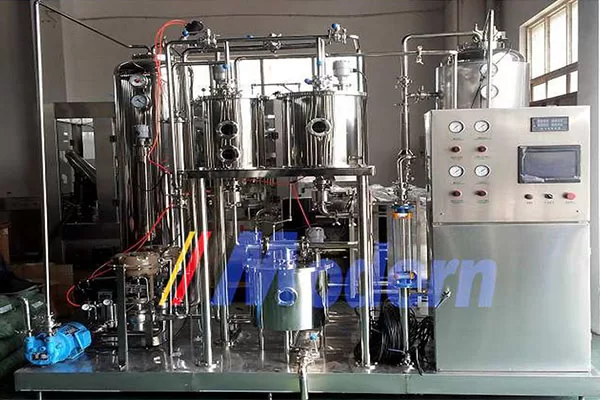
In the modern beverage production landscape, efficiency and precision are paramount. As manufacturers strive to meet growing consumer demands while maintaining quality, the glass bottle beverage filling machine has emerged as an indispensable asset. This article aims to provide an in-depth understanding of glass bottle beverage filling machines, covering various facets including their operations, benefits, considerations for purchase, and the future of filling technology.
What is a Glass Bottle Beverage Filling Machine?
A glass bottle beverage filling machine is specifically designed to fill liquid products into glass containers, such as beverages, water, oils, or sauces. These machines integrate multiple functions — from rinsing, filling, and capping to packaging — into a streamlined process. The primary objective is to optimize production efficiency while ensuring product integrity and safety.
The Importance of Glass Bottles in Beverage Production
Glass bottles have been a popular choice for beverage packaging due to several inherent advantages. They are non-reactive, which preserves the taste and quality of the liquid inside, and they offer excellent protection against contaminants. Moreover, glass is recyclable, making it an environmentally-friendly option. As consumers become more environmentally conscious, the demand for glass packaging is likely to rise, leading to an increased need for efficient filling machines.
Types of Glass Bottle Beverage Filling Machines
Understanding the types of glass bottle beverage filling machines is crucial for manufacturers looking to invest in the right equipment. Generally, these machines can be categorized into three main types:
1. Gravity Filling Machines
Gravity filling machines operate on the principle of gravity, allowing the liquid to flow into the bottle until it reaches the desired fill level. This type of machine is ideal for low-viscosity liquids, such as water and soft drinks. They are generally less expensive and easier to maintain, making them suitable for smaller production runs.
2. Pressure Filling Machines
Pressure filling machines utilize pressure to fill the bottles, making them suitable for carbonated beverages. Since carbonation can be lost during the filling process, these machines minimize aeration. This allows manufacturers to maintain the quality and fizz of the beverage while enhancing the filling speed.
3. Vacuum Filling Machines
Vacuum filling machines create a vacuum inside the bottle before filling it with the liquid. This method is ideal for viscous products, such as sauces and syrups, as well as those that are sensitive to air exposure. By eliminating air from the container, these machines extend the shelf life of products and improve quality.
Key Benefits of Glass Bottle Beverage Filling Machines
Investing in a glass bottle beverage filling machine offers several advantages:
1. Enhanced Efficiency
With automated systems, manufacturers can significantly increase their production rates. Modern filling machines can fill hundreds to thousands of bottles per hour, depending on the design and technology used, which is essential for meeting high market demands.
2. Labor Cost Savings
Automation reduces the need for manual labor, decreasing labor costs associated with beverage production. Staff can be tasked with other essential roles, contributing to overall operational efficiency.
3. Improved Quality Control
Advanced filling machines offer precise control over fill levels, ensuring consistency and reducing waste. This level of accuracy is vital in maintaining the integrity of products while meeting industry standards.
4. Safe and Hygienic Filling Process
Modern filling machines are designed with hygiene in mind, ensuring minimal contamination during the filling process. Many machines have features such as automatic rinsing and sterilization, further safeguarding product quality.
Considerations When Purchasing a Glass Bottle Beverage Filling Machine
Choosing the right glass bottle beverage filling machine requires careful consideration of various factors:
1. Production Volume
Assess your production capacity needs. Machines vary in output rates, so it is essential to select a model aligned with your expected production volume.
2. Type of Beverage
Consider the type of liquid you will be filling. Different machines are designed for specific product characteristics, such as viscosity, carbonation, and temperature.
3. Budget Constraints
Determine a budget for your filling machine investment. While higher-end machines often come with advanced features, it is crucial to evaluate the return on investment to ensure that the benefits justify the expense.
4. Maintenance and Support
Select a machine that is reliable and backed by robust technical support and maintenance options. This consideration can prevent costly downtimes and ensure smooth operations.
Future Trends in Glass Bottle Beverage Filling Technology
As technology continues to evolve, several trends are shaping the future of glass bottle beverage filling:
1. Industry 4.0 and IoT Integration
The integration of smart technology and the Internet of Things (IoT) into filling machines is revolutionizing the industry. Real-time monitoring, predictive maintenance, and data analytics empower manufacturers to enhance efficiency and minimize operational costs.
2. Sustainability Initiatives
With a growing focus on sustainability, manufacturers are increasingly seeking energy-efficient machines that reduce waste and utilize eco-friendly materials. The shift towards automation will likely favor machines that are both effective and environmentally conscious.
3. Customization and Flexibility
Modern consumers demand greater product variety. Filling machines that offer adaptable configurations for multiple bottle sizes and shapes are becoming essential in meeting diverse market needs.
Conclusion: Making an Informed Decision
In summary, a glass bottle beverage filling machine is a vital component in today’s beverage production processes. By understanding the types of filling machines available, their benefits, and the considerations for purchasing, manufacturers can make informed decisions that enhance production efficiency, reduce costs, and meet market demands. As technology continues to evolve, those who embrace these advancements will be better positioned for success in an increasingly competitive landscape.
Whether expanding operation scales or improving product quality, investing in a high-quality glass bottle beverage filling machine can pave the way for a myriad of opportunities in the beverage industry. Take the time to evaluate your options, and make a choice that aligns with your operational objectives and market aspirations.


