
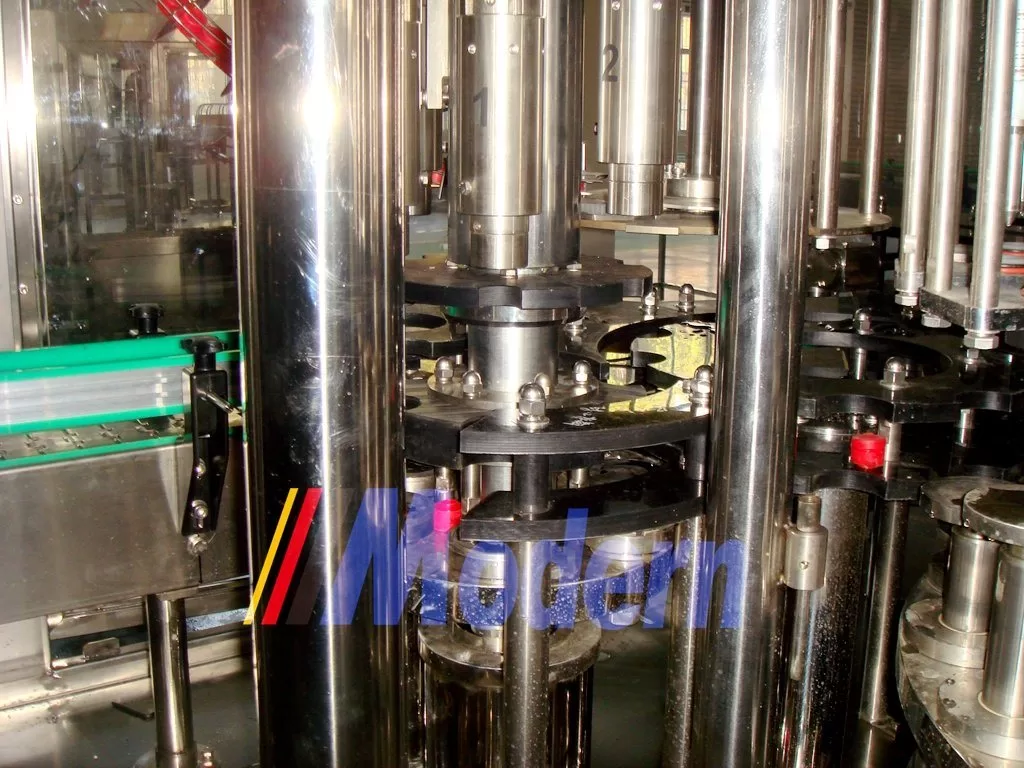
The edible oil industry has witnessed tremendous growth in recent years, driven by increasing demand from consumers for diverse cooking oils, health-focused products, and the expansion of food manufacturing. As the market becomes more competitive, the importance of efficient production processes cannot be overstated. One critical component of this process is the edible oil filling machine. In this article, we will explore the various dimensions of edible oil filling machine manufacturers, detailing their significance, selection criteria, and operational insights to enhance your understanding of this vital industry segment.
Why Edible Oil Filling Machines Are Essential
At the core of operational efficiency in the edible oil sector lies the oil filling machine. These machines are designed to accurately fill containers—be it bottles, jars, or bulk containers—with various types of edible oil, including olive oil, sunflower oil, peanut oil, among others. The precision and speed of these machines are fundamental in ensuring that an operation runs smoothly, while also adhering to safety and regulatory standards.
Improving Production Efficiency
Filling machines automate the process of bottling, which significantly reduces the labor costs associated with manual filling. As a result, manufacturers can divert labor resources to other critical areas of production, ensuring a streamlined operational workflow. Moreover, automation minimizes human error, ensuring consistency in filling volume and product quality.
Ensuring Product Integrity
By investing in advanced filling machinery, manufacturers can guarantee that their products remain uncontaminated and maintain the highest quality standards. These machines are designed to minimize exposure to air and external contaminants during the filling process, which is essential for preserving the shelf life of edible oils.
Key Features of Edible Oil Filling Machines
When exploring the world of edible oil filling machines, several key features should be assessed. Understanding these features can guide potential buyers in making informed decisions.
Types of Filling Mechanisms
There are several filling mechanisms available, including gravimetric, volumetric, and piston-type fill systems. Each type comes with its benefits and limitations, depending on the production scale and the specific viscosity of the oil being filled. For instance, gravimetric systems measure the weight of the oil, thus providing precise filling, while volumetric systems measure the oil volume, offering an efficient production cycle.
Machine Capacity
A crucial factor when selecting a filling machine is its capacity and speed. Manufacturers should assess their production demands to choose a machine that can handle a specified output without compromising on quality. Machines with adjustable speeds and varying production capacities can adapt to changing production needs.
Ease of Cleaning and Maintenance
Sanitation is non-negotiable in the edible oil sector, rendering machines that are easy to clean essential. Choose machines that allow for quick disassembly for cleaning, along with those that comply with food safety and hygiene regulations. Regular maintenance and easy access to parts can significantly enhance the machine’s longevity and effectiveness.
Choosing the Right Manufacturer
Selecting the right edible oil filling machine manufacturer can be a daunting task. Prospective buyers should consider several criteria to ensure they partner with a reputable and competent supplier.
Industry Experience
Experience is critical; businesses should seek manufacturers with a proven track record in the edible oil sector. Companies with years of industry insight are more likely to understand the unique challenges faced in oil filling and can provide tailored solutions that meet specific production needs.
Technological Innovation
The pace of technological advancement continues to reshape the machinery landscape. Prospective buyers should prioritize manufacturers who are committed to innovation, offering modern features like user-friendly interfaces, programmable control panels, and integration with Industry 4.0 technologies like IoT for monitoring and analytics.
Customer Support and Training
Understanding the operation of filling machinery is crucial for optimal performance. Manufacturers that offer robust customer support and comprehensive training ensure that operators can effectively manage and troubleshoot machines when necessary. Look for companies that provide ongoing support, such as maintenance advice and troubleshooting assistance.
Operational Best Practices to Maximize Efficiency
While selecting a high-quality filling machine is essential, adhering to best practices during operation can further optimize efficiency and productivity.
Regular Maintenance and Calibration
Consistent maintenance and calibration of filling machines are paramount. Regular checks can help identify malfunctions before they escalate into larger issues. Moreover, calibrating the machine ensures that it operates according to specifications, maintaining product integrity during the filling process.
Training Personnel Thoroughly
Investing time in training operators cannot be overstated. Skilled personnel can perform routine maintenance and quickly address minor issues, thus minimizing downtime. Additionally, a well-trained workforce can better utilize the machine’s functionalities, enhancing overall productivity.
Monitor Production Reports
It is essential to keep a close eye on production reports to identify trends, efficiency levels, and areas for improvement. Analyzing these reports enables manufacturers to adjust their operations in real time and make data-driven decisions, ultimately enhancing productivity and profitability.
Conclusion: Navigating the Future of the Edible Oil Industry
The edible oil industry is ever-evolving, and manufacturers must adapt to growing consumer demands and technological advancements. Choosing the right edible oil filling machine and manufacturer can significantly impact production efficiency and product quality. By considering key features, evaluating manufacturers, and adhering to best practices, companies can enhance their operations and establish a competitive edge in the market.
As the industry continues to innovate, staying informed and being proactive in approach will be crucial for sustained success in the edible oil sector. The journey towards excellence in production does not end at the acquisition of machinery; it continues through effective utilization, maintenance, and a commitment to quality.


