In the competitive beverage industry, the choice of packaging can significantly affect customer perception, brand image, and profitability. One of the most versatile and appealing packaging formats is glass bottles. This article delves into the workings and advantages of customized glass bottle beverage filling machines, exploring their essential role in today’s beverage manufacturing landscape.
The Importance of Beverage Packaging
Packaging is not just a method of enclosing a product; it acts as a critical communication tool between the brand and consumers. Through design, material choice, and functionality, packaging can enhance the user experience and influence purchase decisions. Glass bottles are celebrated for their aesthetic appeal, sustainability, and ability to preserve product integrity. This increased demand for glass packaging has spurred advancements in filling technology, leading to the development of customized glass bottle beverage filling machines.
What Are Customized Glass Bottle Beverage Filling Machines?
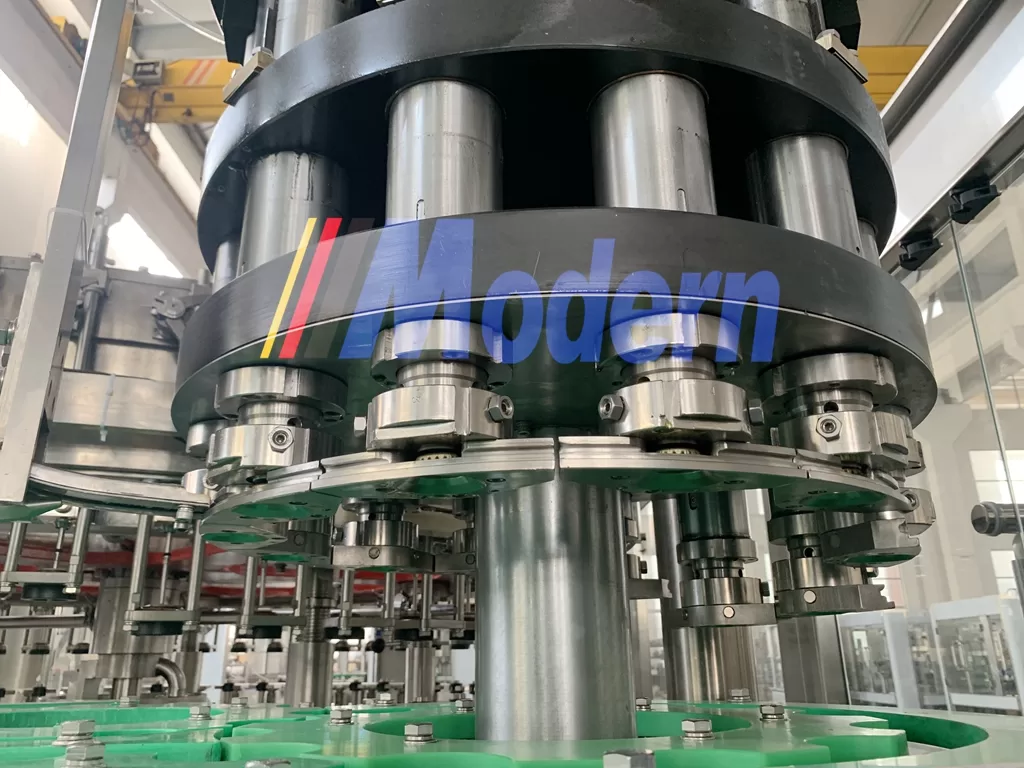
Customized glass bottle beverage filling machines are specialized equipment designed specifically to fill, seal, and package beverages in glass containers. These machines can be tailored to accommodate various bottle shapes, sizes, and filling requirements, ensuring that manufacturers meet their specific production goals and branding requirements.
Typically, these machines automate the filling process, which reduces labor costs, increases efficiency, and maintains consistent quality. The customization aspect allows for modifications that can address specific product characteristics, such as viscosity, carbonation levels, or sensitive ingredients.
How Do They Work?
The operation of a customized glass bottle beverage filling machine generally involves several key steps, ensuring precision and sanitation throughout the process:
1. Design and Development
Before production begins, designing the filling machine to meet specific needs is crucial. This involves assessing the types of beverages to be filled, the range of bottle sizes, and the desired production speed.
2. Bottle Washing
Prior to filling, glass bottles must be clean and sterilized to prevent contamination. Many filling machines include an integrated bottle washing station that utilizes high-pressure water jets or specialized detergents to ensure that each bottle is sanitized.
3. Filling Process
Filling methods can vary depending on the beverage type. Common techniques include:
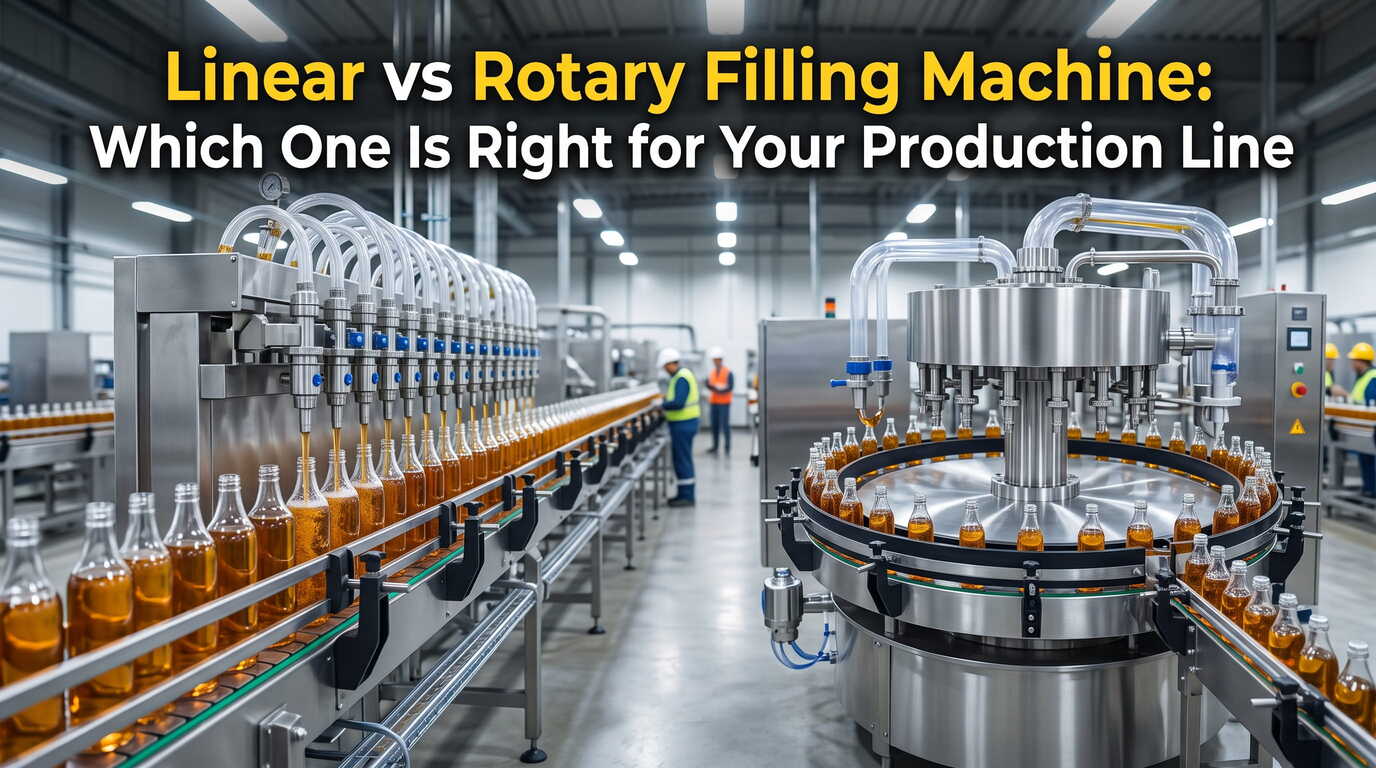
- Volumetric Filling: Suitable for liquids with consistent viscosity, this method fills bottles to a predetermined volume.
- Pneumatic Filling: Ideal for frothy or carbonated beverages, this method uses air pressure to facilitate filling without excessive foam.
- Aseptic Filling: For sensitive beverages requiring a longer shelf life, aseptic filling ensures that both the product and the container are sterile during the filling process.
4. Capping and Labeling
After filling, the machine also typically incorporates a capping mechanism, which securely seals each bottle. Following that, a labeling system is often integrated to apply the brand labels, barcodes, and nutritional information in accordance with regulatory standards.
Advantages of Customized Glass Bottle Filling Machines
Opting for customized glass bottle beverage filling machines brings numerous advantages for beverage manufacturers, including:
1. Enhanced Product Preservation
Glass provides an excellent barrier against environmental factors like oxygen, UV light, and contamination, which helps maintain the quality and taste of beverages. Automated filling machines ensure that products are filled quickly and efficiently, reducing exposure to these elements.
2. Brand Differentiation
Customized machines allow manufacturers to fill unique bottle shapes and sizes, contributing to brand identity. Unique designs capture consumer attention and differentiate products on crowded supermarket shelves.
3. Increased Production Efficiency
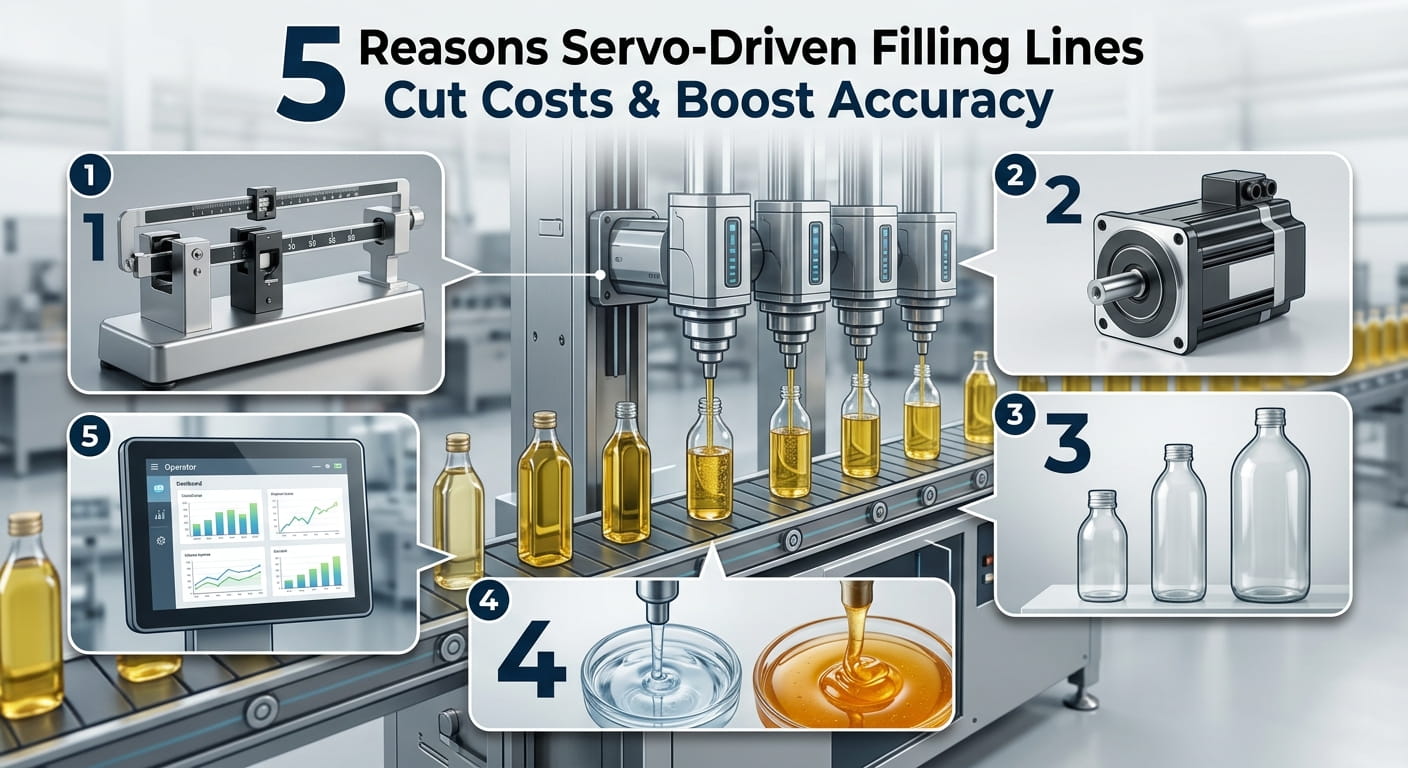
Automating the filling process significantly reduces the labor intensiveness associated with manual filling. High-capacity machines can produce thousands of bottles per hour, facilitating rapid scaling and quick response to market demands.
4. Flexibility in Production
Customized filling machines can often accommodate a variety of bottle designs and sizes, allowing manufacturers to switch between products with minimal downtime. This flexibility is essential in catering to changing consumer preferences and seasonal demands.
Considerations When Selecting a Filling Machine
Choosing the right customized glass bottle beverage filling machine involves numerous considerations:
1. Production Capacity
Identify the required output based on market demand and production goals. Your machine should support scalability without compromising quality.
2. Level of Automation
Determine how much manual labor you want to reduce. Fully automated machines require larger investments but can dramatically increase efficiency.
3. Type of Beverage
Different beverages pose unique filling challenges. Beverages with high viscosity or carbonation may require specialized filling techniques. Assess your product line to understand the specific needs.
4. Maintenance and Support
Evaluate the manufacturer’s service reputation and the availability of spare parts. A reliable maintenance plan is essential to minimize downtime and ensure longevity.
Sustainability and Environmental Impact
Sustainability is a pressing issue in the beverage industry, and glass bottles are increasingly recognized as an environmentally friendly packaging option. They can be recycled indefinitely without losing quality, reducing the carbon footprint associated with production. Furthermore, by investing in efficient filling technology, manufacturers can minimize waste and energy consumption, contributing to a more sustainable future.
Conclusion
The demand for customized glass bottle beverage filling machines is poised to grow as businesses strive for efficiency, branding opportunities, and environmental stewardship. By carefully considering the advantages and implications of these machines, beverage manufacturers can position themselves competitively in a rapidly evolving marketplace.
As the industry transitions towards more automated, sustainable practices, understanding the intricacies of customized filling technology will be crucial for success. Embrace innovation, prioritize quality, and leverage the unique benefits of glass packaging to attract discerning consumers who appreciate the value of their beverage choices.