In the ever-evolving landscape of manufacturing and production, complete bottling lines play a crucial role in ensuring efficiency, quality control, and productivity. They are integral in various industries, especially those focused on beverages, food products, pharmaceuticals, and chemicals. This article aims to provide a comprehensive overview of complete bottling lines, including their components, operational efficiencies, customization options, and considerations for selection, aiming to equip readers with actionable insights.
The Components of a Complete Bottling Line
A complete bottling line encompasses various machinery and equipment tailored to streamline the bottling process from raw material processing to final packaging. Understanding each component offers insights into optimizing operations.
1. Bottle Handling
The initial stage involves the acquisition and handling of bottles. This includes the automatic feeding of empty bottles into the line. Systems such as bottle unscramblers and elevators facilitate this process, ensuring a consistent flow and reducing manual labor.
2. Cleaning and Sterilization
For industries like beverages and pharmaceuticals, bottle cleanliness is paramount. Bottle washers utilize high-pressure jets or chemical solutions to cleanse bottles. In certain sectors, sterilization through ultraviolet (UV) light may also be employed to ensure sanitary conditions.
3. Filling Machines
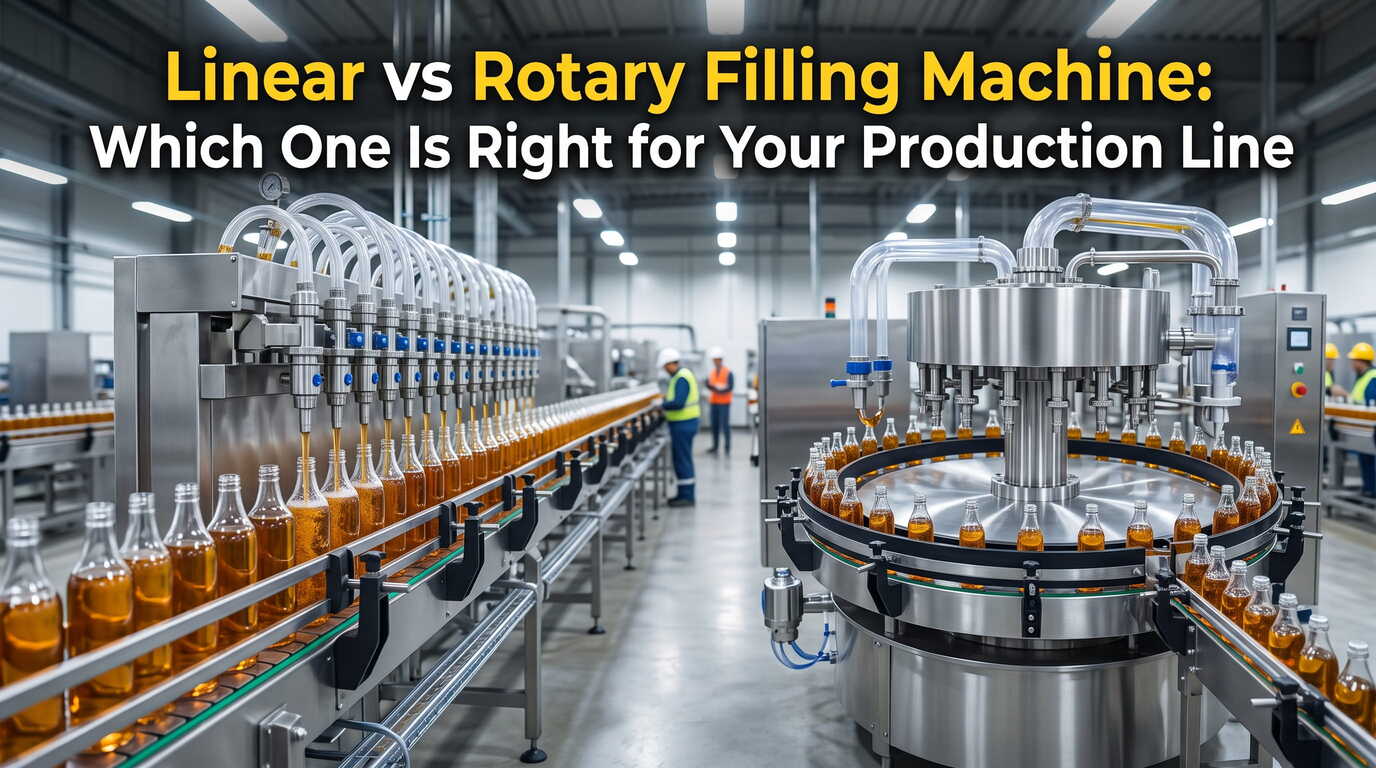
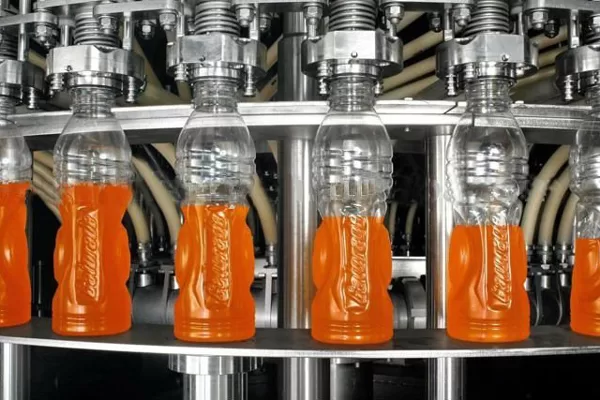
The filling process is one of the most critical aspects of a bottling line. Various types of filling machines exist, including gravity fillers, vacuum fillers, and pressure fillers, each suited for different kinds of beverages or products. This decision impacts the speed, accuracy, and overall quality of the bottling process.
4. Capping and Sealing
Post-filling, capping and sealing are essential for preserving the integrity of the bottled product. Different types of caps require specific capping machines. It is vital to ensure a tight seal that prevents leakage and contamination while remaining user-friendly for consumers.
5. Labeling
Effective labeling is not just a regulatory requirement but also a vital marketing tool. Labeling machines can apply pressure-sensitive labels, shrink sleeves, or even direct printing onto bottles. This stage must maintain precision to avoid mislabeling, which could lead to costly recalls.
6. Packaging and Palletizing
Once labeled, the bottles are ready for packaging. This may involve placing them in cartons or shrink-wrapping. Advanced bottling lines often include palletizers that automatically stack products onto pallets for storage or shipment, improving efficiency and reducing labor costs.
Operational Efficiency in Bottling Lines
Operational efficiency is fundamental in bottling lines, as it directly correlates with productivity and profitability. Here are some methods to maximize efficiency:
1. Automation
Implementing automation not only speeds up processes but also reduces human error. Automated systems can manage everything from bottle feeding to packing, maintaining a steady flow and lowering operational costs.
2. Integrating Quality Control Measures
Quality control checkpoints should be integrated throughout the bottling process. This includes monitoring fill levels, checking seals, and conducting visual inspections. Automated vision systems are also an asset in identifying defective products before they reach consumers.
3. Regular Maintenance
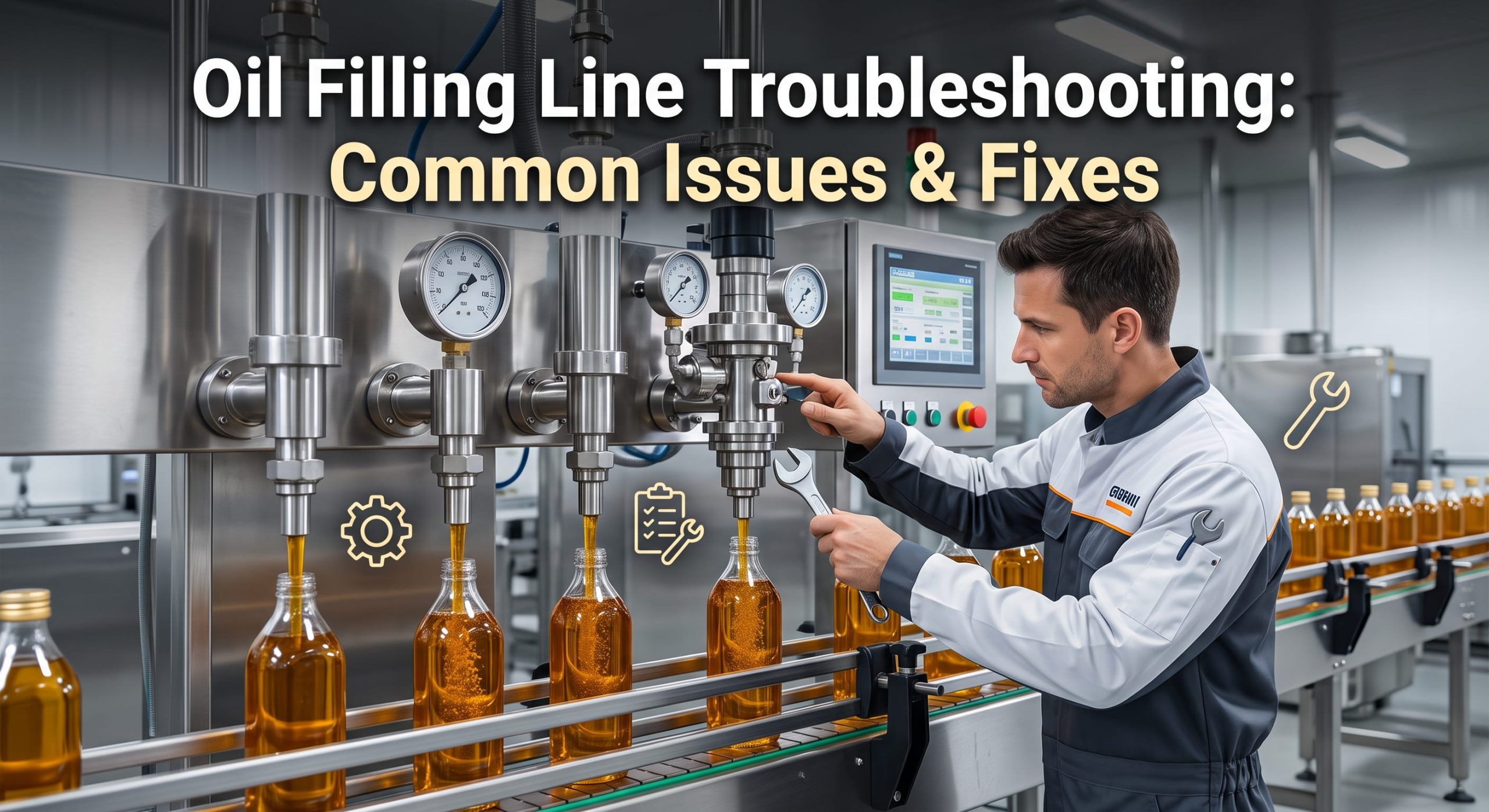
Scheduled maintenance of equipment ensures reliability and longevity. Downtime due to equipment failure can significantly impact overall productivity. Implementing a preventive maintenance schedule helps mitigate this risk.
Customization Options for Bottling Lines
Not all bottling needs are the same; customization options allow businesses to tailor their bottling lines according to specific requirements. Understanding these options can help companies invest wisely in their bottling processes.
1. Modular Systems
Modular bottling lines allow businesses to adapt their production based on seasonal demands or new product lines. Companies can expand or reduce capabilities without investing in a completely new line.
2. Multi-Product Capability
Versatile bottling lines can handle various product types, catering to different market segments. Companies with a diverse product range benefit from such lines as they can switch between products with minimal downtime.
3. Custom Filling Technology
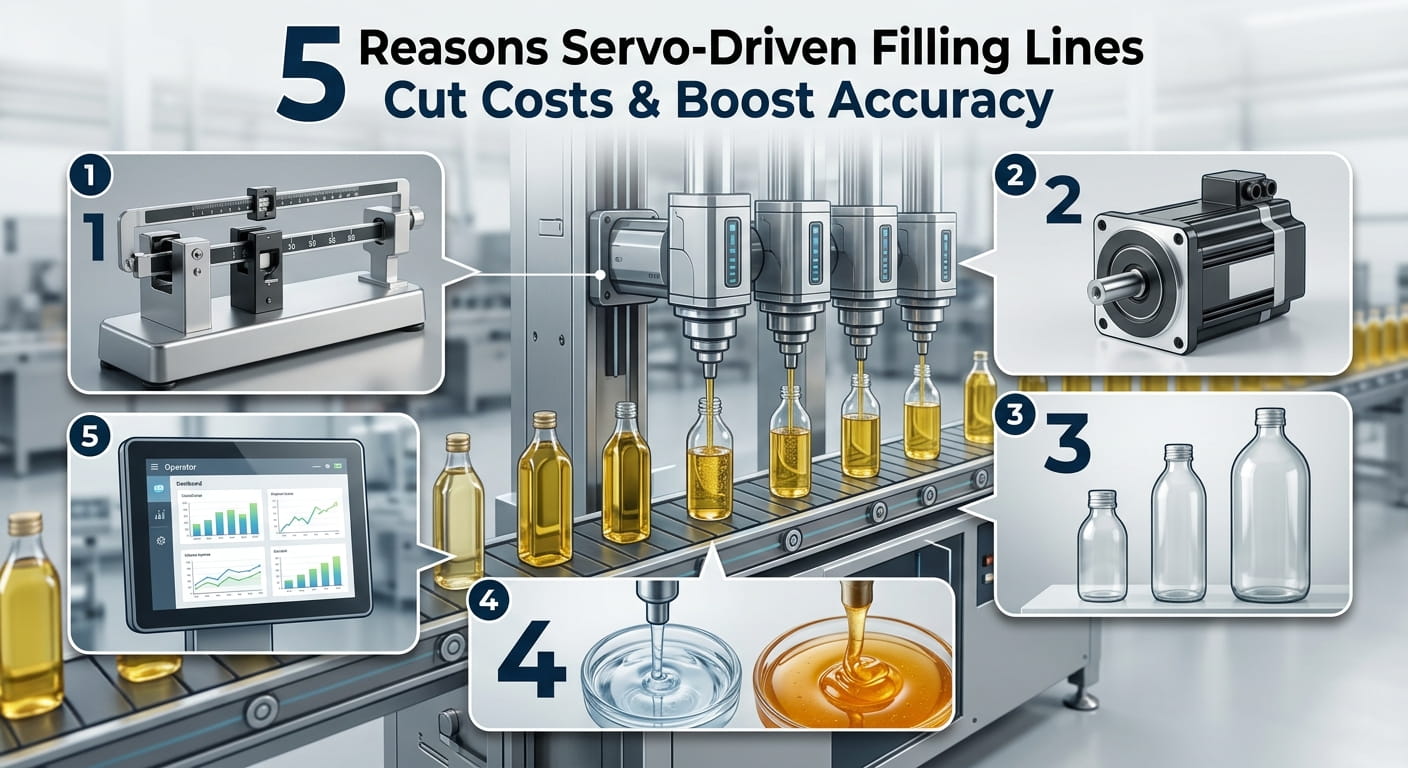
Depending on the viscosity, temperature, and packaging of the product, customizing the filling technology is essential. Different liquids require distinct filling methods, which should be considered during the design phase.
Considerations When Selecting a Bottling Line
Choosing the right bottling line is a strategic decision that can have long-term implications for a business. Here are critical considerations during the selection process:
1. Production Volume
Understanding your production volume is vital. High-demand products require high-speed bottling lines that can handle larger output without compromising quality. Conversely, smaller operations may prioritize versatility and lower initial investments.
2. Product Type
The nature of the product significantly influences bottling line selection. Consider factors like temperature sensitivity, viscosity, and shelf life when making decisions regarding equipment and suitable processes.
3. Regulatory Compliance
In industries like food and pharmaceuticals, compliance with industry standards is non-negotiable. Ensure that the bottling line adheres to local and international regulations, including safety standards and sanitary practices.
4. Total Cost of Ownership
While the initial investment is a crucial factor, evaluate the total cost of ownership. This includes maintenance, energy consumption, workforce training, and potential downtime costs. A thorough cost analysis can save businesses from unforeseen expenses in the future.
Conclusion
Complete bottling lines represent the backbone of efficient production across numerous industries. From understanding their components to maximizing operational efficiency and customizing to meet specific needs, businesses can significantly improve their bottling operations by being well-informed. Strategic investments in technology and equipment can yield high returns, enhancing product quality and customer satisfaction while remaining competitive in a fast-paced market.
In conclusion, the right bottling line can transform a company’s bottling process, leading to improved operational efficiencies and product integrity. By considering all aspects discussed in this guide, organizations can make informed decisions that will foster long-term success in the bottling industry.