
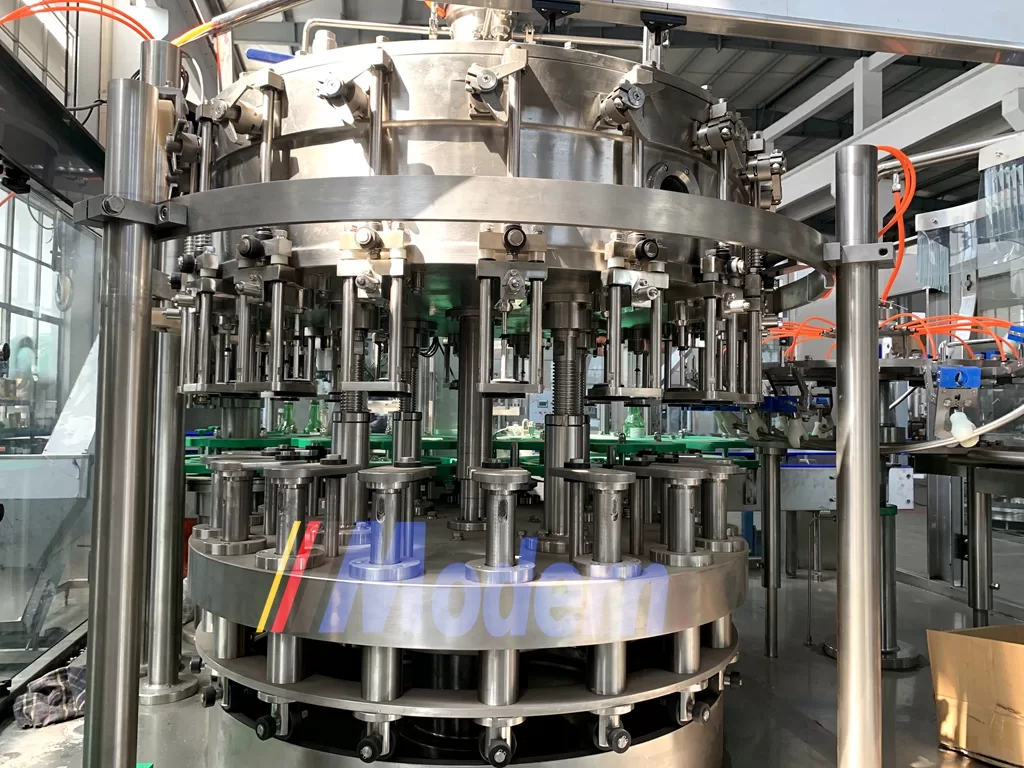
In the ever-evolving landscape of beverage production, water filling machines play a pivotal role, particularly in countries like China that are major players in the global market. These machines not only enhance efficiency but also ensure high-quality production standards. As the demand for bottled water and other beverages continues to rise, understanding the mechanics, types, and benefits of water filling machines can provide valuable insights for businesses looking to expand or optimize their operations. This article delves into the various dimensions of water filling machines, offering practical and actionable advice for stakeholders in the beverage industry.
The Evolution of Water Filling Machines
The journey of water filling machines has been marked by significant advancements over the decades. Initially, manual processes dominated the beverage industry, with workers filling bottles by hand. However, as consumer demands increased, the need for automation became evident. The first wave of semi-automated machines emerged, paving the way for today’s sophisticated fully automated systems.
Modern filling machines incorporate cutting-edge technologies such as programmable logic controllers (PLCs), sensors, and robotics. These innovations not only enhance efficiency but also improve accuracy in filling, reducing waste, and maintaining hygiene standards. As such, understanding the evolution of these machines offers a glimpse into their current capabilities and future potential.
Types of Water Filling Machines
Water filling machines come in various types, each designed to cater to specific needs and operational scales. The primary categories include:
A. Gravity Fillers
Gravity filling machines rely on the force of gravity to fill bottles. They are typically suitable for beverages with low viscosity, such as water. These machines are simple in design, making them cost-effective, but they may not offer the speed or precision of more advanced models.
B. Pressure Fillers
Pressure filling machines utilize pressure to push the liquid into the bottles. This method is particularly effective for carbonated beverages and allows for rapid filling. However, it requires more complexity in design and is more expensive than gravity fillers.
C. Vacuum Fillers
Vacuum filling machines create a vacuum in the bottles to facilitate the filling process. This method minimizes the risk of spillage and ensures consistent fill levels, making it suitable for a wide range of liquids, including those that are sensitive to air exposure.
D. Automatic Rinsing and Filling Machines
These machines combine rinsing, filling, and capping in one automated process. They significantly reduce manual labor and increase production rates. Such machines are particularly beneficial for large-scale bottling operations where efficiency and speed are priorities.
Key Features to Consider
When evaluating water filling machines, several key features should be considered to ensure optimal performance and suitability for specific operational demands:
A. Speed and Output
The speed at which a machine can fill bottles directly affects production capacity. Assessing the machine’s output in terms of bottles per hour is crucial for aligning with business goals. High-speed machines can be an investment, but they pay off through increased productivity.
B. Hygiene Standards
Hygiene is paramount in beverage production. Machines should be designed to facilitate easy cleaning and maintenance. Look for features such as stainless steel construction and components that can be disassembled for thorough cleaning without requiring specialized tools.
C. Accuracy
Precision in filling is essential to avoid both overfilling and underfilling, which can lead to product wastage and customer dissatisfaction. Advanced technology such as flow meters can enhance the accuracy of the filling process.
Benefits of Using Water Filling Machines
The integration of water filling machines into your production line provides a myriad of benefits that contribute to overall operational efficiency and product quality:
A. Increased Efficiency
Automated filling processes significantly reduce the time and labor costs associated with manual filling. This efficiency enables companies to meet increasing consumer demand without sacrificing quality.
B. Cost-Effectiveness
While the initial investment in high-quality filling machines can be substantial, the long-term savings gained through reduced labor costs, minimized wastage, and enhanced productivity can make them a worthwhile expenditure.
C. Quality Assurance
Filling machines designed with precision technology ensure that each bottle is filled to the exact standard, contributing to consistent product quality. This reliability is crucial for building brand trust among consumers.
Implementing a Water Filling Machine in Your Operation
Integrating a water filling machine into your production line involves several steps and considerations:
A. Assess Your Needs
Begin by evaluating your production capacity, the types of beverages you intend to fill, and your budget. Understanding your specific needs will guide you in selecting the most suitable machine.
B. Research and Compare Models
Take the time to research different models and manufacturers. Look for reviews, user testimonials, and case studies to gauge the performance and reliability of the machines you’re considering.
C. Consider Professional Installation
Professionally installing your machine can help avoid potential issues and ensure that it operates seamlessly. It’s also wise to invest in training for your staff to handle the machine and perform routine maintenance effectively.
Future Trends in Water Filling Machines
The future of water filling machines is poised for continued innovation. As technology advances, we can expect to see improvements in automation, artificial intelligence, and machine learning being integrated into bottling processes. These innovations will further enhance efficiency, with machines capable of adjusting their operations in real-time based on environmental conditions or demand fluctuations.
Additionally, sustainability is becoming increasingly important in production processes. Future machines may incorporate eco-friendly practices, such as minimizing energy consumption and reducing plastic waste through better design and recycling options.
Conclusion
Water filling machines represent a critical investment for businesses operating within the beverage industry. Understanding the various types of machines, their features, and the benefits they bring can help you make informed decisions that align with operational goals. With advancements in technology, the capabilities of these machines continue to expand, paving the way for increased efficiency and product quality. As demand for beverages grows, integrating high-quality water filling machines into your production line will be essential in staying competitive in the global market.


