The beverage industry has undergone transformative changes in recent years, driven by consumer preferences and technological advancements. Among these transformations, the role of carbonated drink filling machines has been pivotal in enhancing production efficiency, product quality, and operational effectiveness. This article provides a comprehensive overview of carbonated drink filling machines, including their types, the filling process, benefits, and considerations for businesses looking to invest in such machinery.
What are Carbonated Drink Filling Machines?
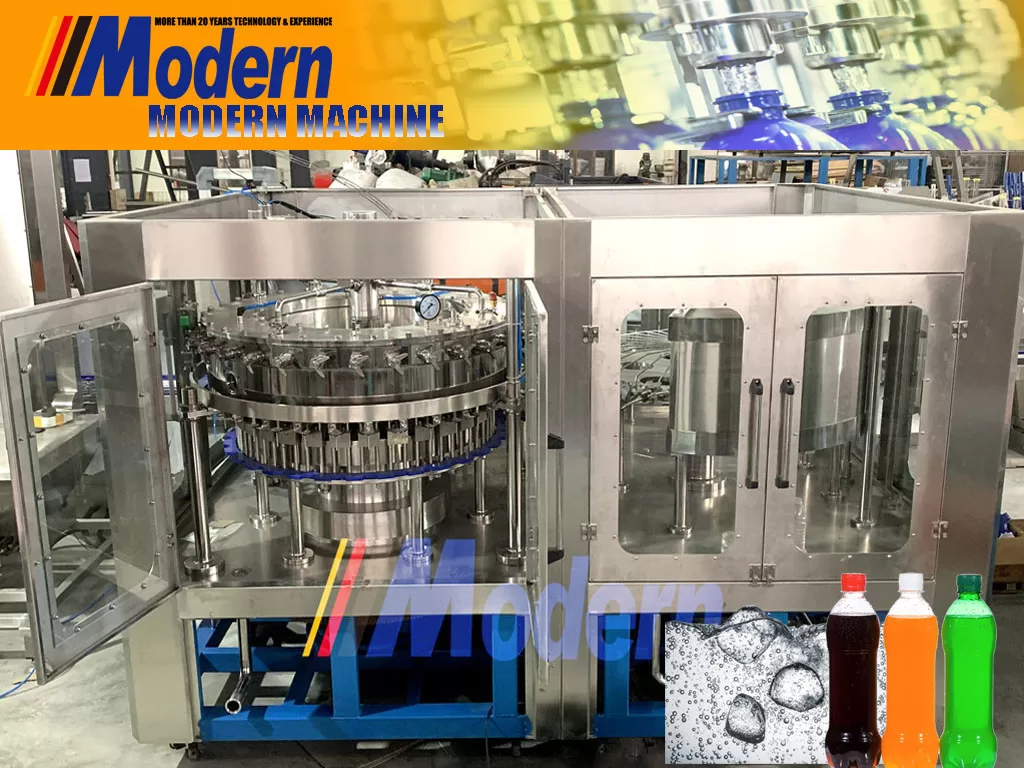
Carbonated drink filling machines are specialized equipment designed to fill bottles and cans with carbonated beverages, such as sodas, sparkling water, and energy drinks. These machines are essential for maintaining product integrity and ensuring that beverages maintain their carbonation and flavor throughout the packaging process. The functionality of these machines is critical to producing consistent, high-quality products that meet market demands.
Types of Carbonated Drink Filling Machines
There are several types of carbonated drink filling machines, each tailored to specific production needs and operational scales. Understanding the distinctions can help businesses make informed decisions.
1. Gravity Fillers
Gravity fillers rely on gravity to move the beverage from the reservoir into the containers. These machines are ideal for low-viscosity liquids and are commonly used in smaller production settings. While gravity fillers are cost-effective, they may lack the speed and efficiency required for large-scale operations.
2. Pressure Fillers
Pressure fillers utilize pressure to force the carbonated beverage into the container. This system preserves the carbonation of the product during the filling process, making it suitable for high-speed production lines. Pressure fillers are often preferred for large-scale operations due to their efficiency and ability to handle various container sizes.
3. Vacuum Fillers
Vacuum fillers operate by creating a vacuum that draws the liquid into the container. This method is particularly effective for foamy beverages, as it significantly reduces the likelihood of overflow. However, vacuum fillers may be less common for carbonated beverages compared to gravity and pressure fillers.
The Filling Process: Step-by-Step
Understanding the filling process helps identify the critical stages where precision and technology come into play. The process typically involves the following steps:
1. Cleaning and Sterilization
Before filling, it is crucial to clean and sterilize both the equipment and the containers. This step ensures that contaminants do not affect the quality of the beverage. Sanitation protocols must be meticulously followed to comply with industry standards.
2. Carbonation Control
The carbonation level of the beverage must be carefully controlled before filling. The beverage is carbonated using CO2 gas, and maintaining the appropriate pressure and temperature is essential for achieving the desired fizziness.
3. Filling
During filling, the beverage is transferred into containers through an automated system. The filling machine should be calibrated to prevent overfilling and ensure consistency across batches. Proper timing and pressure adjustments are crucial components of this stage.
4. Capping and Sealing
Once the containers are filled, they are immediately capped or sealed to preserve freshness and carbonation. Sealing methods may vary based on the container type, with some requiring heat seals, while others use screw caps.
Benefits of Using Carbonated Drink Filling Machines
Investing in carbonated drink filling machinery offers several advantages for production facilities:
1. Increased Efficiency
Modern filling machines are designed to operate at high speeds, significantly increasing production capabilities. Automating the filling process minimizes manual labor and reduces the risk of errors, allowing businesses to meet high demand without compromising quality.
2. Quality Control
These machines come equipped with advanced technology to monitor filling levels, ensuring accuracy and consistency. This precision helps maintain the brand’s reputation by delivering products that meet consumer expectations for quality and taste.
3. Cost Savings
Although the initial investment in automated filling equipment may be substantial, the long-term savings from reduced labor costs, minimized waste, and increased production can provide excellent returns on investment. Additionally, automation reduces the likelihood of spoilage due to inaccuracies in filling.
4. Versatility
Many carbonated drink filling machines are designed to handle various container types and sizes, making them adaptable to changing market demands. This flexibility allows businesses to diversify their product offerings without needing to invest in new machines for each product.
Considerations for Choosing a Carbonated Drink Filling Machine
When selecting a carbonated drink filling machine, businesses should consider several factors to ensure they choose the right model for their needs:
1. Production Volume
Evaluate current and projected production volumes. Different machines have varying capacities, and choosing the appropriate machine for anticipated growth will optimize efficiency and reduce costs in the long run.
2. Container Types
Consider the types of containers that will be used for products. Ensure that the chosen machine can handle the specified types, whether bottles, cans, or other formats, to avoid duplication of investments.
3. Space Requirements
Assess available floor space in the production facility. The size and configuration of filling machines can vary greatly, so it’s crucial to confirm whether the machine can fit within the specific operational layout.
4. Budget
Costs for carbonated drink filling machines can vary significantly based on features, capacities, and manufacturers. Draft a realistic budget that accounts for both the initial purchase price and ongoing maintenance expenses.
5. Supplier Reputation
Research suppliers and manufacturers to ensure they have a solid reputation in the industry. Opt for suppliers that offer reliable customer support and equipment service to secure long-term operational efficiency.
Final Thoughts
Carbonated drink filling machines are integral to the efficiency and effectiveness of beverage production. By investing in the right machinery, businesses can improve production capabilities while ensuring product quality and consistency. With a clear understanding of the types of machines available, the filling process, and the benefits they offer, businesses can make informed decisions that align with their long-term goals. As consumer demands continue to evolve, adapting to those needs through proper equipment selection will ensure sustained success in the competitive beverage industry.