
In the realm of production and packaging, efficiency is paramount. Among the myriad of machines that contribute to streamlined processes, can filling and sealing machines stand out as pivotal assets in beverage, food, and chemical industries. These machines are designed to enhance productivity while ensuring product integrity, safety, and shelf life. This article delves into the intricacies of can filling and sealing machines, exploring their functionality, types, benefits, and practical advice for businesses considering an investment in this technology.
What are Can Filling and Sealing Machines?
Can filling and sealing machines are specialized pieces of equipment designed to fill cans with liquids, semi-liquids, or powders and subsequently seal them to maintain freshness and prevent contamination. These machines automate the canning process, significantly reducing manual labor requirements while increasing speed and efficiency.
Typically, these machines operate in a continuous flow system, where empty cans are fed into the machine, filled with the desired product, and then sealed securely. Depending on the type of product and packaging requirements, the machines may vary in complexity and design.
The Importance of Can Filling and Sealing Machines
The canning process is critical for preserving food and beverage quality and extending shelf life. Proper filling and sealing prevent contamination and spoilage, ensuring that consumers receive safe and effective products. The adoption of can filling and sealing machines translates to multiple advantages for manufacturers, including:
- Increased Production Speed: Automated systems can operate at significantly higher speeds than manual processes, facilitating the production of large volumes within shorter timeframes.
- Enhanced Product Quality: Precision filling reduces the risk of spills and wastage, while consistent sealing ensures product integrity.
- Reduced Labor Costs: Automation decreases the reliance on manual labor, leading to lower operational costs.
- Flexibility: Many modern machines are adaptable to different can sizes and types, accommodating various production needs.
Types of Can Filling and Sealing Machines
Can filling and sealing machines can be categorized based on their functionality and the types of products they handle. Here are some common types:
1. Gravity Fillers
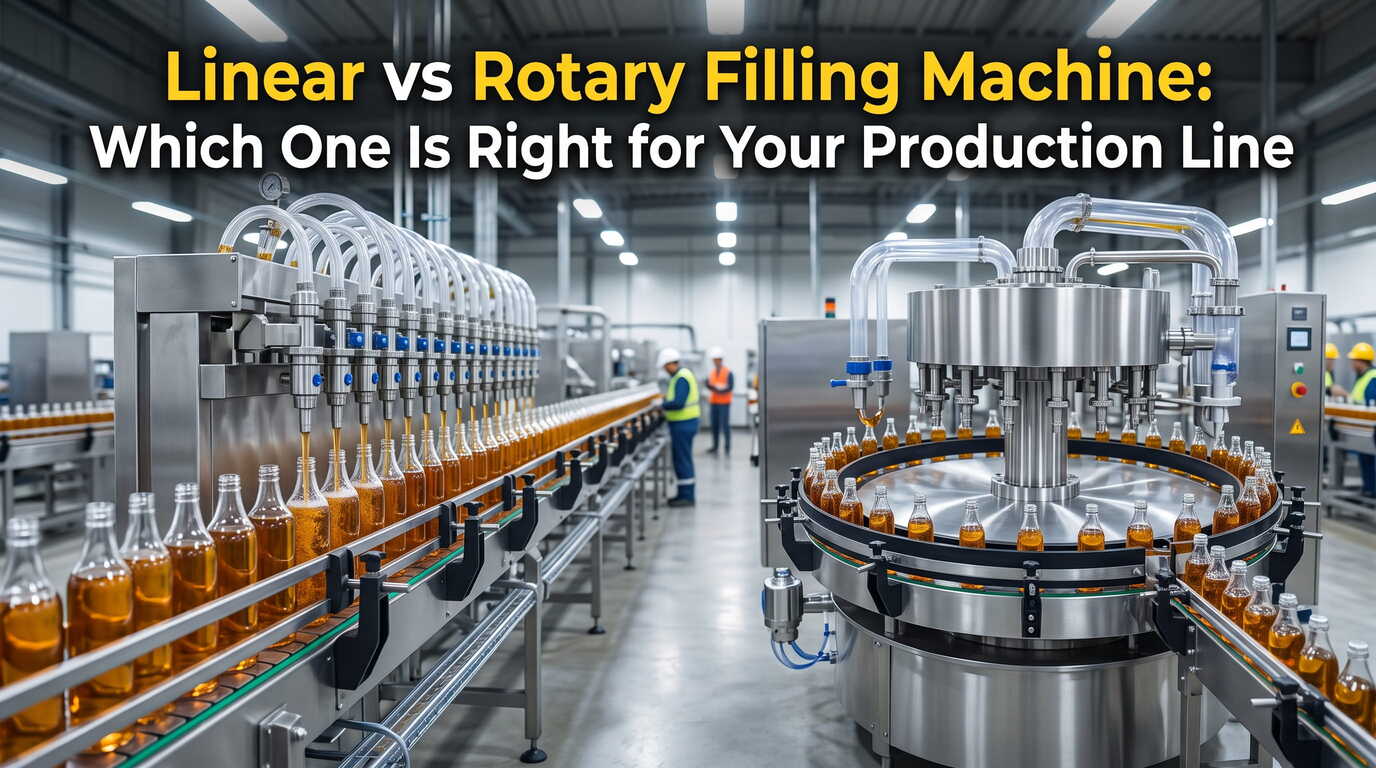
Gravity fillers operate based on the force of gravity to fill cans. This system is primarily used for non-viscous liquids, such as water or soda. The filled volume is controlled by the height of the filling nozzle, and it is a cost-effective solution for many beverage applications.
2. Pressure Fillers
Pressure fillers utilize air pressure to push the liquid into the can. This method is more suitable for carbonated beverages, as it prevents foam during the filling process. Pressure filling machines are crucial for maintaining product quality and ensuring proper carbonation levels.
3. Vacuum Fillers
Vacuum filling machines create a vacuum in the can before filling it with the product. This technique is often employed for thicker liquids or high-viscosity products, such as sauces, jam, or pudding. The vacuum ensures that the cans are filled accurately without air pockets.
4. Seamers
After filling, cans must be sealed to ensure that the product remains uncontaminated. Seamers are designed for this purpose, creating a hermetic seal by folding the can ends and using a sealing compound to provide airtight containment. The type of seamer chosen depends on the can type and the product being sealed.
Key Features to Look for in a Can Filling and Sealing Machine
When considering an investment in can filling and sealing technology, several crucial features should be evaluated to ensure the selected machine meets your operational needs:
1. Speed and Capacity
The speed of the machine, often measured in cans per minute, should align with your production demands. An optimal choice balances speed with the capacity needed for anticipated growth.
2. Versatility
Look for machines that can handle various can sizes and styles (e.g., aluminum, tin) to provide flexibility within your production line. This adaptability can save costs in the long run as production needs evolve.
3. Ease of Maintenance
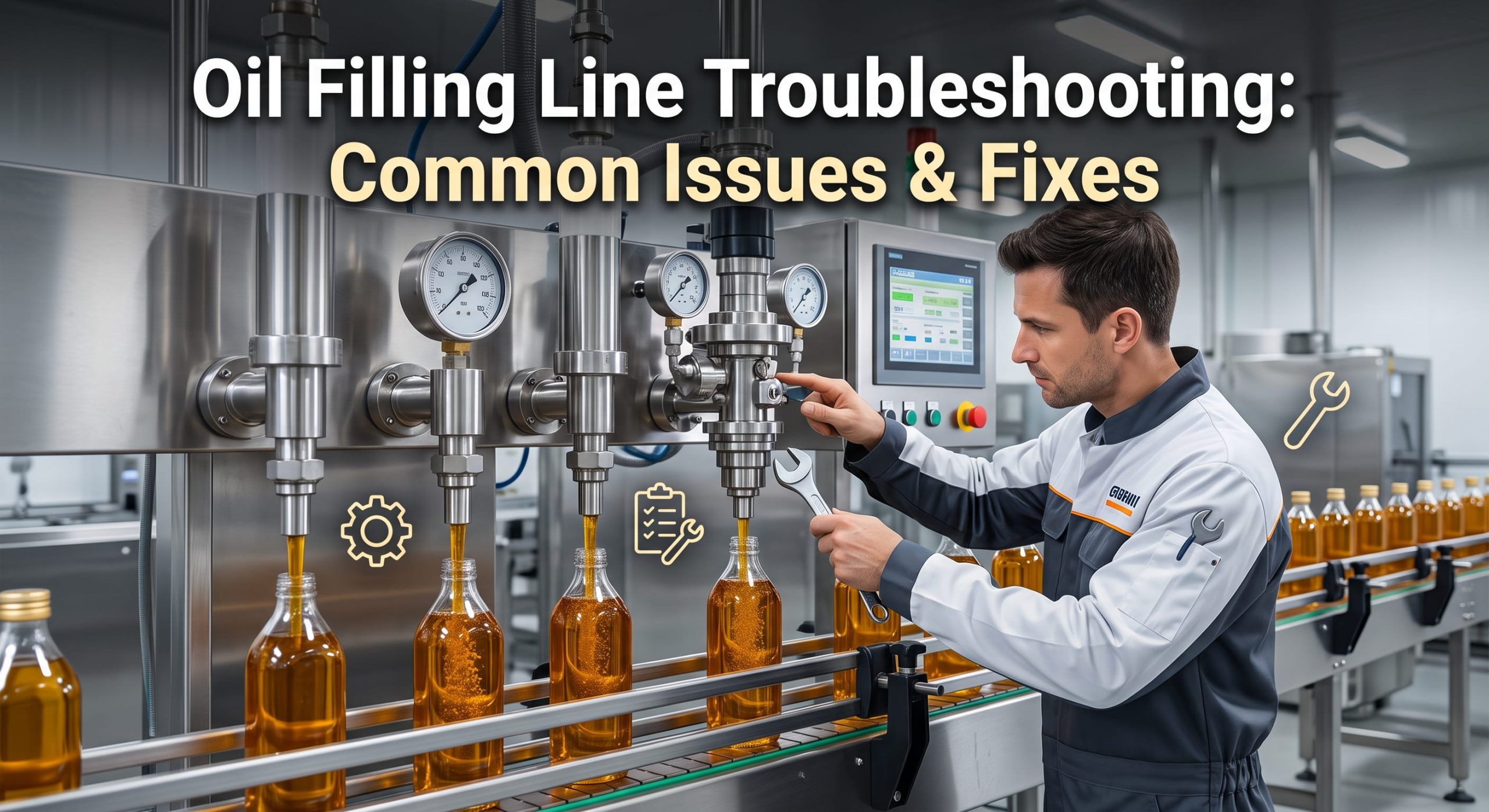
Routine maintenance is essential for the longevity of any machine. Opt for machines with easily accessible parts and straightforward maintenance procedures. Some manufacturers provide comprehensive manuals and support for upkeep.
4. Automation and Controls
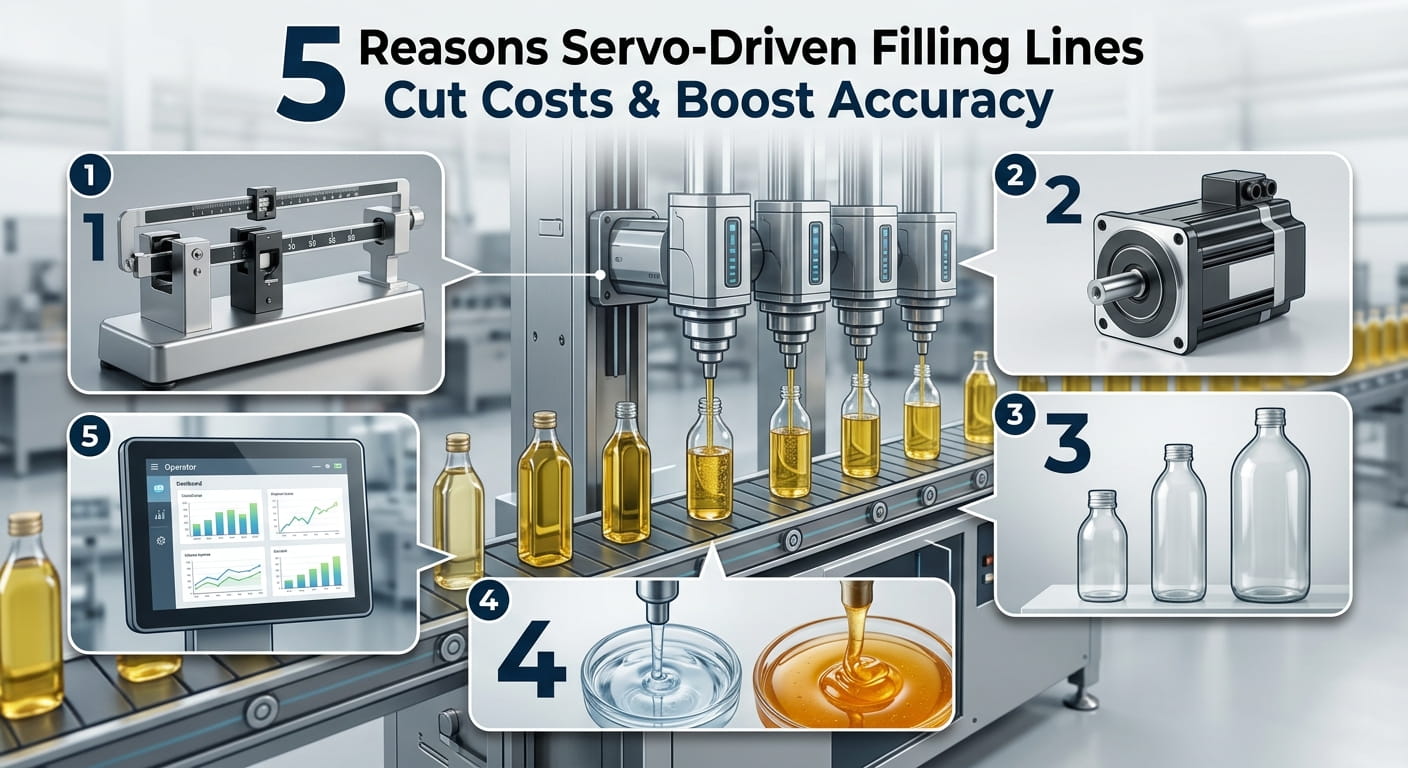
Modern machines often come equipped with advanced control systems, including touchscreen interfaces and programmable settings. Such features facilitate ease of operation and monitoring, allowing for quick adjustments to production requirements.
5. Compliance and Safety Features
Ensure that the machine complies with industry standards for food safety and quality. Look for machines with built-in safety features, such as emergency stops and protected moving parts, to safeguard operators.
Best Practices for Implementation
Once you have chosen a can filling and sealing machine, implementing best practices will ensure seamless integration into your production process:
1. Training and Skills Development
Invest in training your workforce to operate the machinery proficiently. Well-trained employees can optimize the machine’s performance and troubleshoot minor issues on-site.
2. Regular Maintenance Schedules
Establish a routine maintenance schedule to inspect and service the machine regularly. This practice minimizes downtime and extends the machine’s lifespan.
3. Monitor Production Metrics
Utilize monitoring systems and software to track production metrics such as efficiency rates, downtime, and output quality. Analyzing these data points helps identify areas for improvement.
4. Continuous Improvement
Be proactive in seeking feedback from operators and reviewing performance data. Regular assessments can lead to operational enhancements that drive efficiency and productivity.
Conclusion
Can filling and sealing machines are invaluable assets for businesses in the food and beverage industry, as well as other sectors. By automating the filling and sealing processes, manufacturers can improve efficiency, reduce costs, and enhance product quality. Understanding the types of machines available, their key features, and the best practices for implementation will enable businesses to make informed decisions that align with their operational needs. With the right equipment and strategies in place, companies can successfully meet consumer demands while maintaining high standards of quality and safety.
Investing in a suitable can filling and sealing machine can transform the production landscape of a business, setting the stage for sustained growth and profitability.