
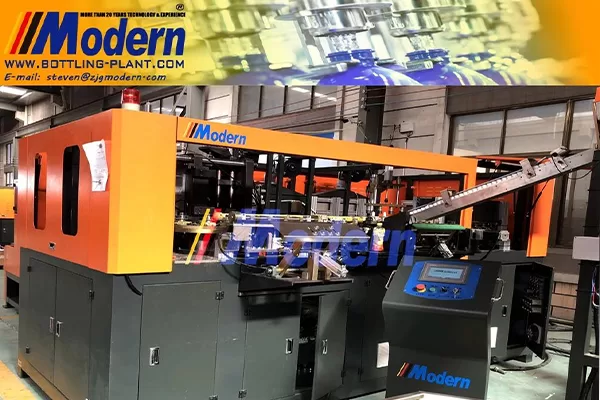
In an ever-evolving industrial landscape, efficiency and precision have become the hallmark of successful production processes. Within this realm, automatic bottle filling, capping, labeling, and sealing machines emerge as integral components for businesses engaged in beverage, pharmaceutical, and cosmetics manufacturing. This article delves deep into these machines, exploring their functionality, benefits, types, and how they fit into the broader context of supply chain efficiency.
The Importance of Automation in Packaging
The shift towards automation in the packaging industry is not merely a trend; it is a necessity born out of increasing consumer demands and rising operational costs. Automated machines streamline production processes, which leads to enhanced productivity and reduced labor costs. By minimizing human intervention, these machines also mitigate the risk of errors, ensuring that products meet stringent quality standards. Furthermore, automated systems can operate continuously, increasing output and offering businesses a competitive edge.
How Automatic Bottle Filling, Capping, Labeling, and Sealing Machines Work
Understanding the mechanisms behind these machines is crucial for maximizing their benefits. Let’s break down the functionalities of each component:
1. Bottle Filling
The filling process is the first step in automated packaging. Automatic bottle filling machines can handle various liquids, ranging from water and soft drinks to pharmaceuticals and oils. Depending on the product characteristics, different filling methods exist, such as:
- Volumetric Filling: Using precise volume measurements to fill bottles.
- Piston Filling: Suitable for high-viscosity products, employing a piston mechanism.
- Gravity Filling: Utilizing gravity to fill liquid into containers, working best with thin fluids.
The choice of filling method significantly affects the efficiency and precision of the process. Consider the product’s viscosity and the required filling speed when selecting a bottle filling machine.
2. Capping
Once bottles are filled, they must be sealed properly to prevent contamination or spillage. Automatic capping machines enhance efficiency by ensuring that caps are applied consistently and securely. There are various types of capping methods:
- Screw Capping: This method uses screws to secure caps, ideal for bottled beverages and pharmaceuticals.
- Snap-On Caps: Used primarily for products that require quick, easy access without excessive force.
- Press-On Caps: Commonly used in the cosmetic industry for tubed products.
The correct capping system is essential for maintaining product integrity and preventing tampering while ensuring ease of use for consumers.
3. Labeling
Labeling is another critical component of the packaging process. Automatic labeling machines are designed to apply labels to products quickly and accurately, ensuring brand consistency and regulatory compliance. Various labeling options include:
- Pressure-Sensitive Labels: Adhesive labels that stick to the container when pressure is applied.
- Heat-Shrink Labels: Labels that shrink and conform to the shape of the bottle when heated.
- Wrap-Around Labels: Applied around the circumference of the bottle.
Choosing the right labeling technique not only enhances marketing efforts but also helps in maintaining compliance with product information regulations.
4. Sealing
The final step in the automatic packaging process is sealing. Sealing machines protect products from contamination or degradation. They can employ various methods, such as:
- Induction Sealing: Ideal for tamper-evident packaging, commonly used in food and pharmaceuticals.
- Heat Sealing: Creates airtight seals by applying heat, often used in pouches and bags.
- Vacuum Sealing: Removes air from packaging, prolonging shelf life and product freshness.
Each sealing method has its advantages, which must be considered based on the product’s sensitivity and market requirements.
Benefits of Using Automatic Machines in Production
Integrating automatic bottle filling, capping, labeling, and sealing machines in your production line offers several benefits:
1. Increased Efficiency
Automation significantly boosts production speed. By minimizing manual tasks, companies can achieve larger output volumes within shorter time frames, meeting high customer demand.
2. Consistency and Quality Control
Automated machines deliver precise and uniform performance, reducing variability and ensuring that every product meets quality standards. This consistency builds brand trust and consumer satisfaction.
3. Cost-Effectiveness
Automating processes can lead to significant cost savings in the long run. Though the initial investment may be high, the labor savings, increased production rates, and reduced waste lead to better profitability over time.
4. Versatility
Many automatic machines are versatile and can easily be adjusted or reconfigured for different bottle sizes, shapes, and product types. This flexibility allows manufacturers to adapt to market changes swiftly.
Challenges and Considerations
Although automatic machines offer substantial advantages, businesses must remain cognizant of potential challenges:
1. Initial Investment
The upfront cost of purchasing and integrating automated systems can be substantial. Companies must perform a thorough cost-benefit analysis to ensure that the long-term savings justify the investment.
2. Maintenance and Downtime
While automated systems can operate continuously, they are not immune to breakdowns. Regular maintenance is essential to minimize downtime and maintain optimal operation. Businesses must develop a robust maintenance strategy to address this issue effectively.
3. Skill Requirements
Although automation reduces manual labor, it may require skilled personnel for machine operation and troubleshooting. Investing in employee training is vital to maximize the benefits of automated systems.
The Future of Automatic Packaging Machines
As technology continues to advance, we can expect significant innovations in automatic bottle filling, capping, labeling, and sealing machines. Key trends to watch include:
1. Integration of Smart Technology
Smart technologies, such as the Internet of Things (IoT), will enable more connected and responsive production systems. Machines may monitor their own performance in real-time and alert operators to any issues before they lead to downtime.
2. Sustainability Initiatives
With growing concerns over environmental degradation, the industry is moving towards more sustainable practices. This includes the development of machines that utilize biodegradable materials and reduce energy consumption.
3. Customization and Modular Designs
Future machines are likely to feature customizable and modular designs that allow manufacturers to easily adapt to new product lines and evolving market demands.
Conclusion
In conclusion, automatic bottle filling, capping, labeling, and sealing machines play a pivotal role in the modern packaging industry. As businesses strive for increased efficiency and quality, understanding the intricacies of these machines can greatly enhance operational performance. The journey towards automation is not without its challenges; however, the long-term benefits underscore the necessity of embracing this technological evolution. By investing in automated systems and remaining agile to market changes, manufacturers can secure a leading position in their respective industries.


