
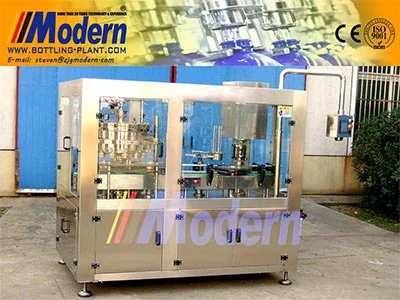
Manufacturing companies that produce canned goods rely heavily on can filling machines to ensure efficiency and consistency in their production processes. However, like any piece of machinery, can filling machines are prone to various issues that can hinder their performance. In this comprehensive guide, we will discuss the common problems that can arise with can filling machines and provide practical solutions to address them effectively.
1. Inconsistent Filling Levels
One of the most common issues with can filling machines is the inconsistency in filling levels, which can lead to product wastage and inconsistencies in packaging. This problem can be caused by several factors, such as improperly calibrated filling heads, worn-out seals, or air pressure fluctuations.
To troubleshoot this issue, start by checking the calibration of the filling heads and ensuring that they are set to the correct fill level. Inspect the seals for any signs of wear and tear and replace them if necessary. Additionally, monitor the air pressure in the machine and make sure it is stable throughout the filling process.
2. Clogging and Blockages
Another common issue that can occur with can filling machines is clogging and blockages in the filling nozzles, which can disrupt the production flow and cause downtime. This problem may be caused by a build-up of product residue, improperly sized nozzles, or a malfunctioning pump.
To address clogging and blockages, regularly clean the filling nozzles to remove any product residue that may be causing blockages. Ensure that the nozzles are properly sized for the products being filled to prevent blockages. If the issue persists, check the pump for any malfunctions and replace it if necessary.
3. Leaks and Spillage
Leakage and spillage during the filling process can result in product wastage and compromise the quality of the final product. Common causes of leaks and spillage include improperly sealed cans, damaged gaskets, or overfilled containers.
To troubleshoot leaks and spillage, inspect the sealing mechanisms on the can filling machine and ensure that the cans are properly sealed before the filling process begins. Check the gaskets for any signs of damage and replace them if necessary. Additionally, avoid overfilling the containers to prevent spillage during the filling process.
4. Inaccurate Filling Weights
Precise filling weights are essential in the production of canned goods to maintain consistency and meet quality standards. Inaccurate filling weights can result from issues such as faulty load cells, improper calibration, or varying product viscosities.
To address inaccurate filling weights, calibrate the load cells regularly to ensure accurate weight measurements during the filling process. Check the calibration settings on the machine and adjust them as needed to achieve the desired filling weights. Additionally, monitor the viscosity of the products being filled and make adjustments to the filling parameters accordingly.
5. Electrical and Mechanical Failures
Electrical and mechanical failures can occur in can filling machines due to various reasons, including worn-out components, loose connections, or power surges. These failures can cause downtime and disrupt the production process.
To prevent electrical and mechanical failures, conduct regular maintenance checks on the machine to identify and replace any worn-out components before they fail. Tighten loose connections and ensure that the machine is properly grounded to prevent power surges. Invest in surge protectors or voltage regulators to protect the machine from electrical fluctuations.
6. Slow Filling Speed
A slow filling speed can reduce the overall efficiency of the production line and lead to delays in meeting production targets. This issue can be caused by factors such as a malfunctioning pump, incorrect filling parameters, or insufficient air pressure.
To address slow filling speed, check the pump for any malfunctions and replace it if necessary. Review the filling parameters on the machine and adjust them to achieve the desired filling speed. Ensure that the air pressure in the machine is adequate to support the filling process at the required speed.
Conclusion
Effective troubleshooting of common issues with can filling machines is essential to maintain productivity and quality in the production of canned goods. By proactively addressing issues such as inconsistent filling levels, clogging, leaks, inaccurate filling weights, electrical and mechanical failures, and slow filling speed, manufacturers can optimize their production processes and minimize downtime.
Regular maintenance, calibration checks, and proper training of operators are key components of ensuring the reliable performance of can filling machines. By implementing the practical solutions outlined in this guide, manufacturers can improve the efficiency and effectiveness of their can filling operations, ultimately enhancing the overall quality of their products.


