
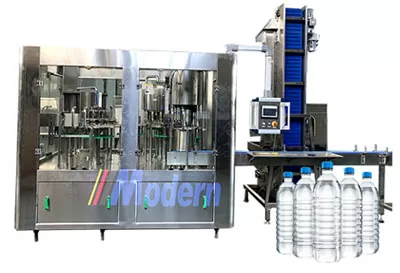
In today’s fast-paced manufacturing environment, maximizing efficiency and productivity are key goals for any business. When it comes to the operation of a water filling machine, there are several strategies and best practices that can help you streamline processes, reduce downtime, and enhance overall performance. In this article, we will explore practical tips to improve efficiency and productivity with your water filling machine.
1. Regular Maintenance and Cleaning
One of the most important aspects of ensuring the smooth operation of a water filling machine is regular maintenance and cleaning. Establishing a routine maintenance schedule can help prevent breakdowns and extend the life of your equipment. Regularly cleaning the machine, including its components and filters, can also prevent contamination and ensure the quality of the filled water.
2. Optimize Machine Settings
Another key factor in improving efficiency is optimizing the settings of your water filling machine. By adjusting parameters such as filling speed, flow rate, and bottle positioning, you can achieve higher accuracy and consistency in filling operations. Take the time to fine-tune these settings based on the specific requirements of your operation to maximize efficiency.
3. Train Operators Effectively
Proper training of machine operators is essential for efficient and safe operation. Make sure your team is well-trained on operating procedures, troubleshooting common issues, and performing routine maintenance tasks. Investing in ongoing training and development can help enhance the skills and efficiency of your operators, leading to improved overall productivity.
4. Implement Quality Control Measures
Quality control is crucial in the production of bottled water to ensure that the final product meets regulatory standards and consumer expectations. Implementing quality control measures, such as regular testing of water samples, monitoring filling accuracy, and conducting inspections of the packaging materials, can help prevent defects and maintain product quality.
5. Utilize Automation and Technology
Automation and technology can significantly improve the efficiency of water filling operations. Consider investing in automation systems that can handle tasks such as bottle handling, filling, capping, and labeling more efficiently than manual labor. Additionally, integrating digital technologies for data collection and analysis can help identify bottlenecks and areas for improvement in your production process.
6. Opt for Energy-Efficient Solutions
Reducing energy consumption is not only beneficial for the environment but can also lead to cost savings for your business. Choose energy-efficient water filling machines that are designed to minimize power usage while maintaining high productivity levels. Implementing energy-saving practices, such as using LED lighting and optimizing machine run times, can also contribute to overall efficiency.
7. Streamline Supply Chain and Inventory Management
Efficient supply chain and inventory management are essential for optimizing production processes. Make sure you have a well-organized system in place for ordering raw materials, managing inventory levels, and scheduling production runs. By streamlining these processes, you can minimize downtime, reduce waste, and improve overall productivity.
8. Monitor and Analyze Performance Metrics
Tracking performance metrics is crucial for identifying areas of improvement and gauging the overall efficiency of your water filling machine. Monitor key performance indicators such as fill rate, downtime, reject rate, and production output on a regular basis. Analyzing these metrics can help you pinpoint inefficiencies and take corrective actions to enhance productivity.
9. Establish Preventive Maintenance Procedures
Preventive maintenance is vital for preventing costly breakdowns and ensuring the long-term reliability of your water filling machine. Develop a comprehensive maintenance plan that includes regular inspections, lubrication of moving parts, and replacement of worn-out components. By staying proactive with maintenance, you can avoid unexpected downtime and maintain peak performance.
10. Seek Continuous Improvement Opportunities
Continuous improvement is a fundamental principle for enhancing efficiency and productivity in any manufacturing operation. Encourage a culture of continuous improvement within your organization by soliciting feedback from employees, conducting regular process audits, and implementing suggestions for optimization. By constantly seeking ways to refine your processes, you can achieve sustainable improvements in performance.
Conclusion
Efficiency and productivity are critical factors in the success of a water filling operation. By implementing the tips outlined in this article, you can optimize the performance of your water filling machine, reduce costs, and deliver high-quality bottled water products to consumers. Remember that continuous evaluation, adaptation, and investment in technology are key to staying competitive in the ever-evolving manufacturing landscape.


