In the fast-paced world of international trade, the way products are presented can make or break a deal. Packaging plays a crucial role in creating the right first impression and influencing consumer behavior. In this article, we will delve deep into the essential role of packaging machines in enhancing product presentation, exploring their benefits, types, applications, technical details, best practices, market trends, challenges, sustainability, and future outlook.
Overview
Packaging machines are a vital component of the manufacturing and supply chain process, automating the packaging of products efficiently and effectively. These machines not only streamline the packaging process but also play a significant role in enhancing the overall presentation of products. By ensuring consistent packaging quality and aesthetics, packaging machines help businesses stand out in a competitive market.
Benefits and Advantages
- Enhanced product presentation
- Increased efficiency and productivity
- Cost savings through automation
- Reduced human errors and inconsistencies
- Customizable packaging options
Types of Packaging Machines
There is a wide range of packaging machines available in the market, catering to diverse industrial needs. Some common types include:
- Automatic Packaging Machines
- Strapping Machines
- Wrapping Machines
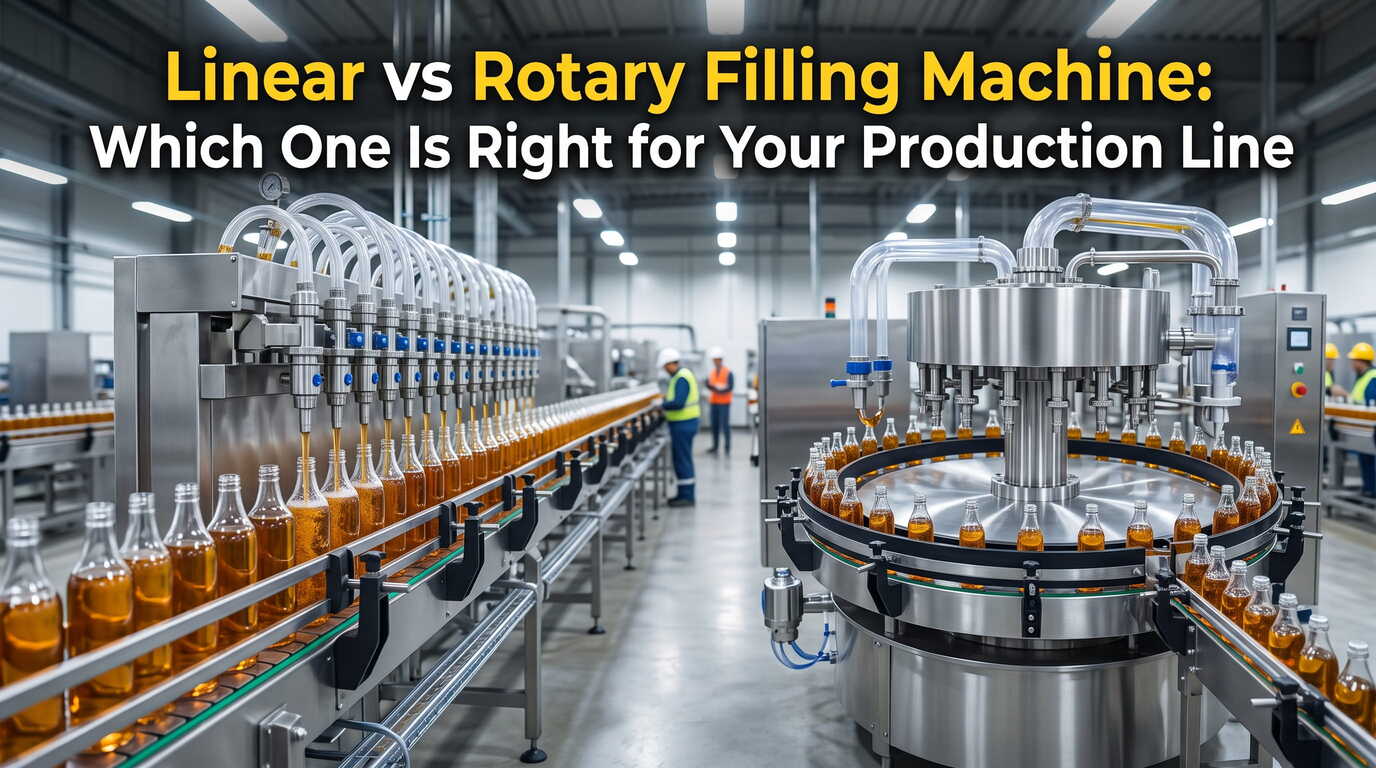
- Filling Machines
Applications and Use Cases
Packaging machines find applications across various industries, including food and beverage, pharmaceuticals, electronics, and cosmetics. These machines are used for packaging a wide range of products such as bottles, cans, boxes, and pouches, ensuring that the presentation aligns with brand standards and consumer expectations.
Technical and Operational Details
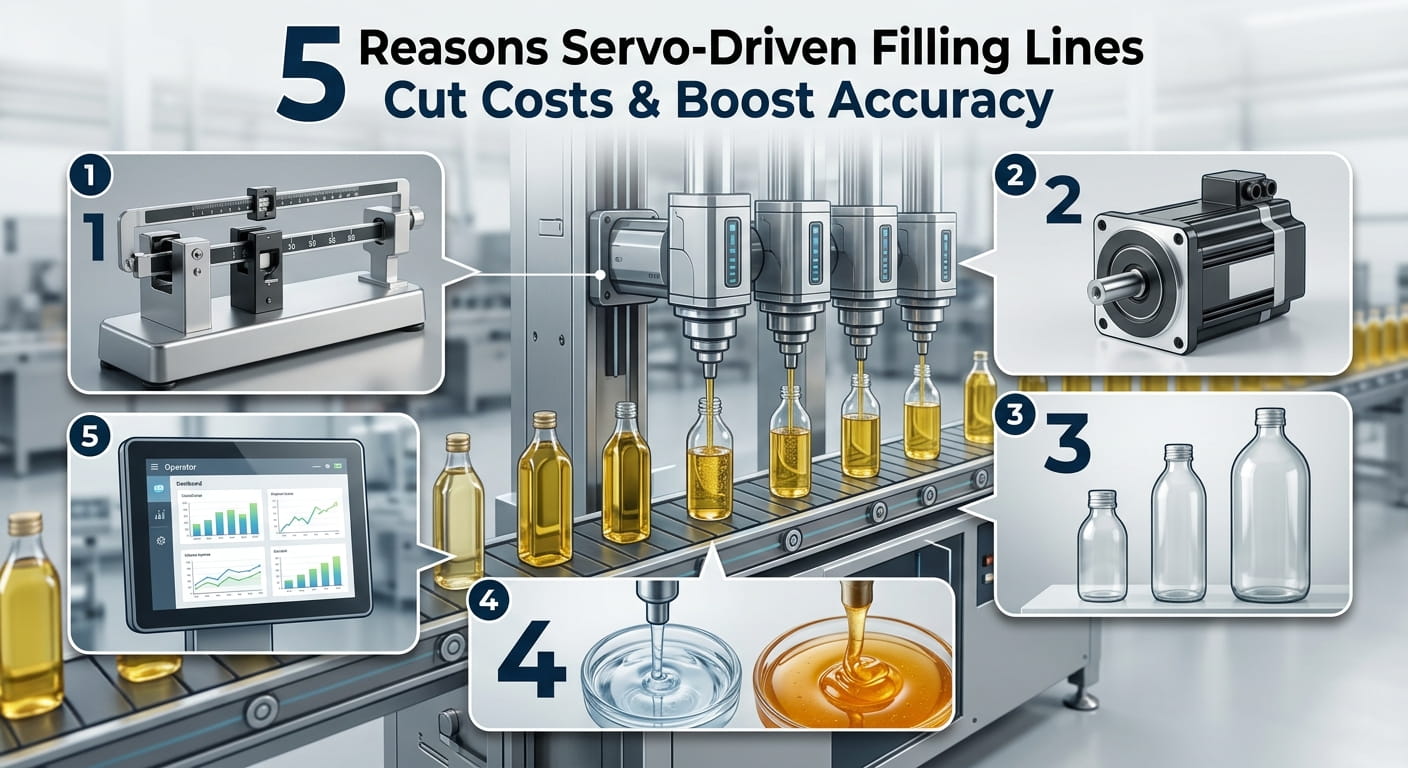
From semi-automatic to fully automated systems, packaging machines come with a range of features and specifications to meet specific requirements. Key technical aspects include speed, accuracy, flexibility, and ease of maintenance. Understanding the operational details of these machines is crucial for maximizing efficiency and output.
Best Practices and Maintenance
- Regular maintenance and calibration
- Training for operators
- Optimizing packaging designs for maximum impact
- Using high-quality materials for durability
Market Trends and Industry Insights
In a rapidly evolving market, packaging machines are witnessing technological advancements such as smart packaging solutions, sustainable packaging options, and integration with Industry 4.0 concepts. Keeping track of industry trends and innovations is key to staying ahead of the competition.
Challenges and Solutions
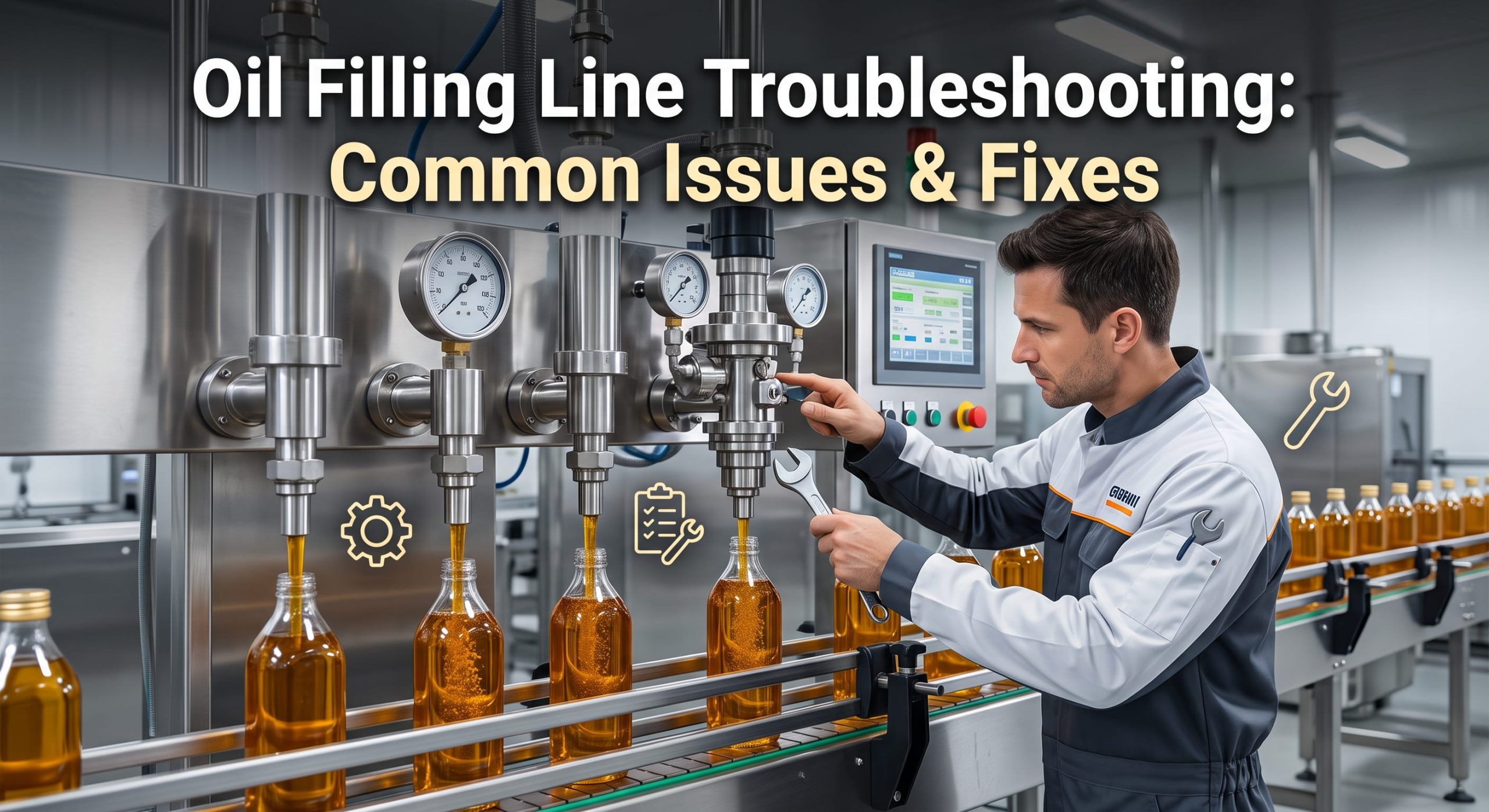
Common challenges in packaging machine operations include machine downtime, maintenance issues, and changing regulatory requirements. Implementing proactive maintenance schedules, investing in training programs, and staying updated with industry standards can help mitigate these challenges effectively.
Sustainability and Future Outlook
As environmental concerns continue to shape consumer preferences, sustainable packaging solutions are gaining prominence. Packaging machines that enable efficient use of materials, minimize waste, and support recyclability are becoming increasingly important. The future outlook for packaging machines revolves around eco-friendly practices and innovative technologies that reduce the environmental footprint of packaging operations.
In conclusion, packaging machines play a critical role in enhancing product presentation, streamlining operations, and driving business growth. By understanding the various aspects of packaging machines and staying abreast of industry trends, businesses can leverage these machines to create compelling product presentations that resonate with international audiences.