Introduction
In the fast-paced world of manufacturing, maintaining product consistency is crucial for building customer trust and loyalty. Filling machines play a vital role in ensuring that products meet quality standards and specifications. This article explores the significance of filling machines in the production process and how they contribute to product consistency.
Benefits of Filling Machines
Filling machines offer a wide range of advantages for manufacturers seeking to maintain product consistency:
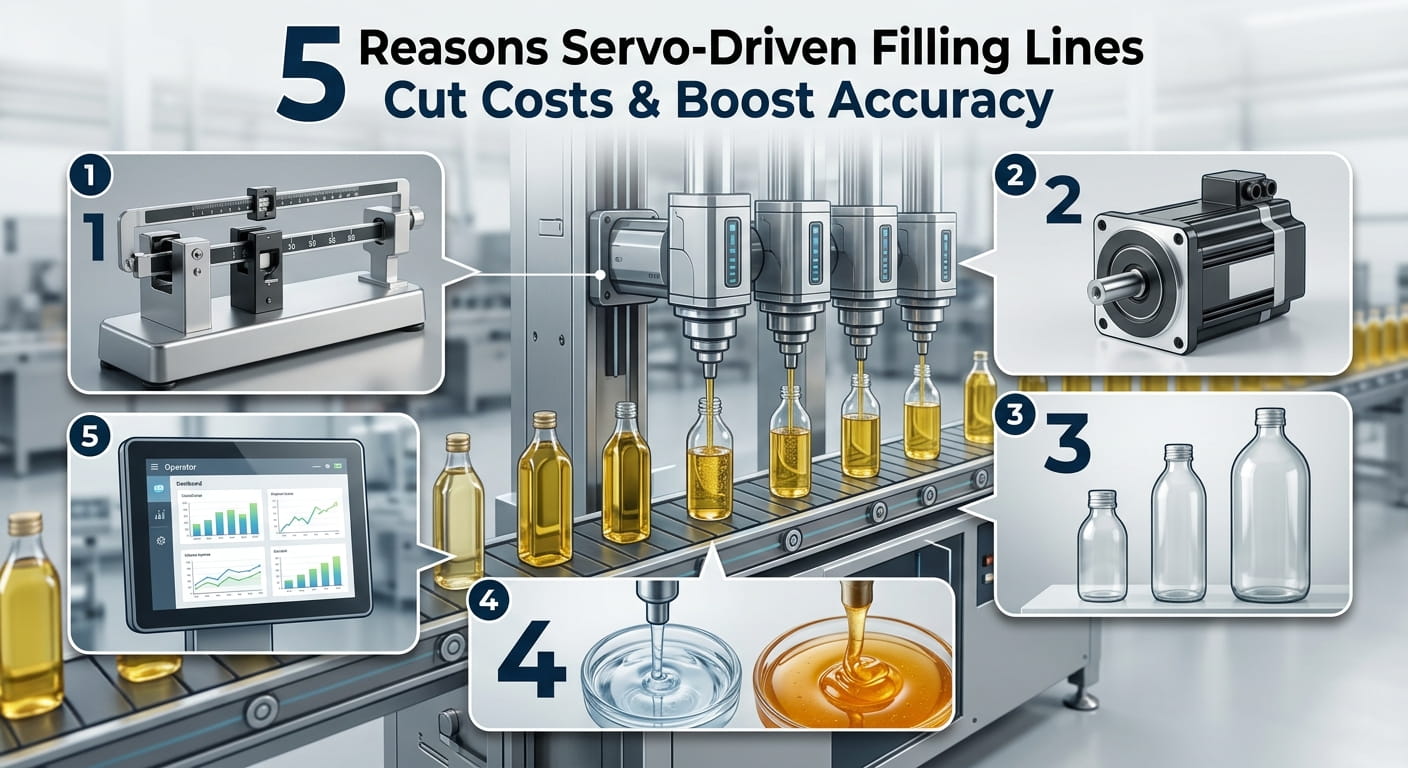
- Accurate Volume Control: Filling machines provide precise measurement and control over the volume of product dispensed, ensuring consistency in every batch.
- Enhanced Efficiency: By automating the filling process, machines allow for higher production speeds and reduced labor costs.
- Reduced Waste: With their precise filling capabilities, machines help minimize product waste and optimize resource utilization.
- Improved Quality Control: Filling machines help in maintaining stringent quality control measures, resulting in consistent product quality.
Types of Filling Machines
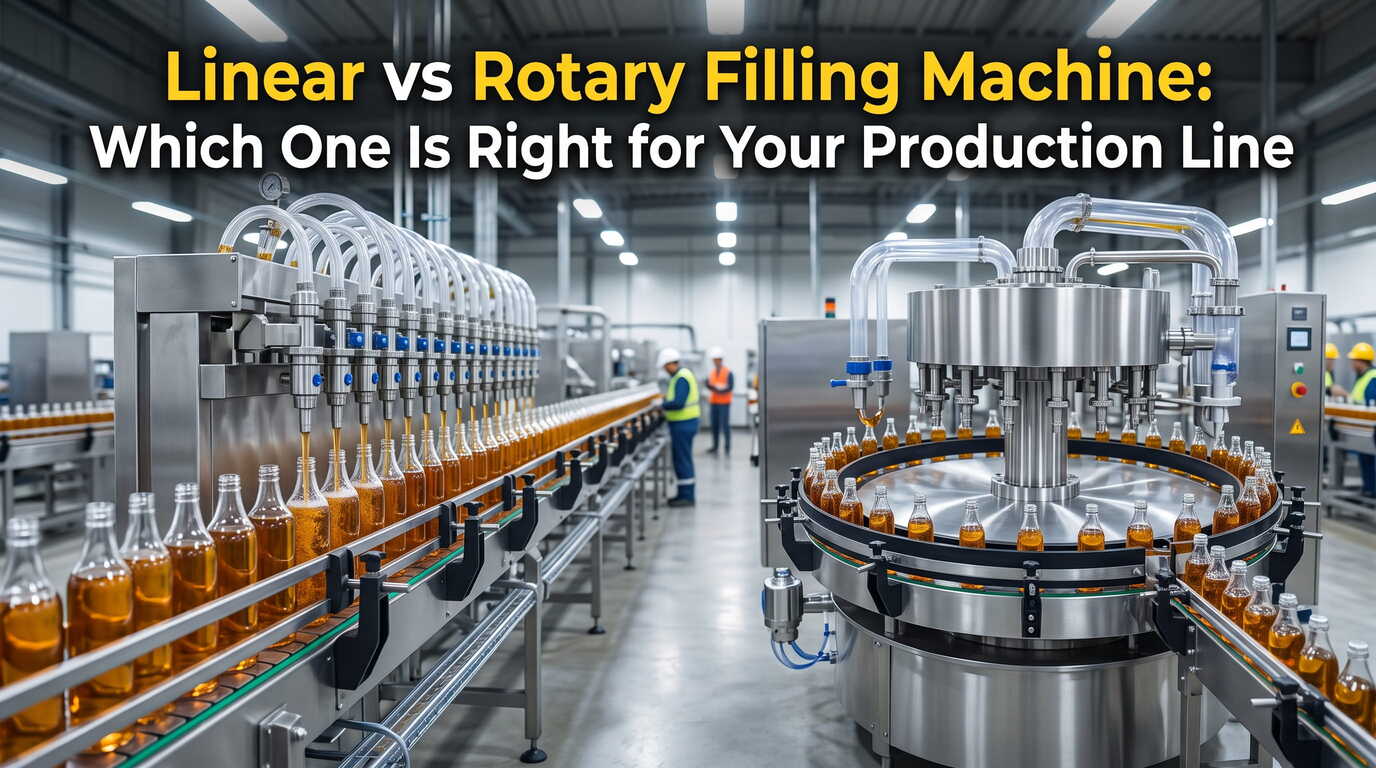
There are several types of filling machines available in the market, each designed for specific applications and industries:
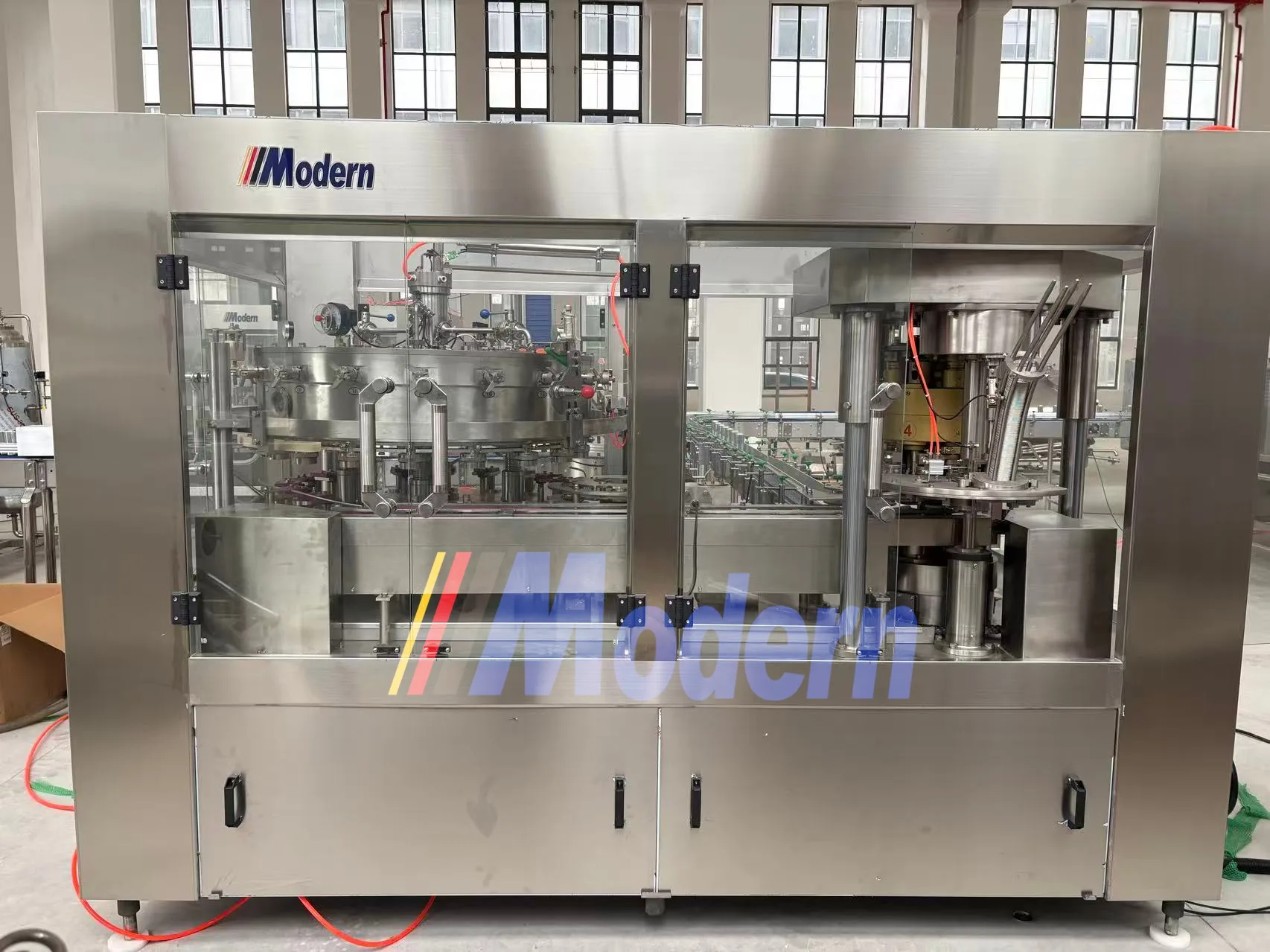
- Liquid Filling Machines: Ideal for filling liquids such as beverages, oils, and pharmaceutical products.
- Powder Filling Machines: Suitable for filling powdered products like spices, chemicals, and food ingredients.
- Auger Filling Machines: Especially effective for filling products with a consistent density, such as powders and granules.
- Gravity Filling Machines: Commonly used for filling free-flowing liquids into containers.
Applications of Filling Machines
Filling machines are utilized across a wide range of industries and applications, including:
- Food and Beverage: Filling machines are essential for packaging liquids, powders, and granular products in the food and beverage industry.
- Pharmaceuticals: Precise filling is crucial in pharmaceutical manufacturing to ensure accurate doses and medication consistency.
- Cosmetics: Filling machines play a key role in the cosmetics industry for packaging creams, lotions, and other beauty products.
Technical Details and Features
Filling machines are equipped with advanced features and technologies to ensure accuracy and efficiency:
- Variable Speed Control: Allows for adjusting filling speeds based on the product type and container size.
- Nozzle Configuration: Different nozzle designs cater to varying product viscosities and flow characteristics.
- Integrated Sensors: Sensors help in detecting container presence, ensuring accurate filling and preventing spills.
Best Practices and Maintenance Tips
To maintain optimal performance and extend the lifespan of filling machines, manufacturers should follow these best practices:
- Regular Calibration: Schedule routine calibration checks to ensure accurate volume dispensing.
- Cleaning and Sanitization: Thoroughly clean and sanitize the machine to prevent contamination and product spoilage.
- Training and Operator Skills: Provide training to operators on proper machine operation and maintenance procedures.
Industry Insights and Trends
The filling machine industry is witnessing several trends and innovations to meet evolving market demands:
- Increased Automation: Manufacturers are investing in fully automated filling lines to boost production efficiency and consistency.
- IoT Integration: Internet of Things (IoT) technologies are being incorporated into filling machines for real-time monitoring and data analysis.
Challenges and Solutions
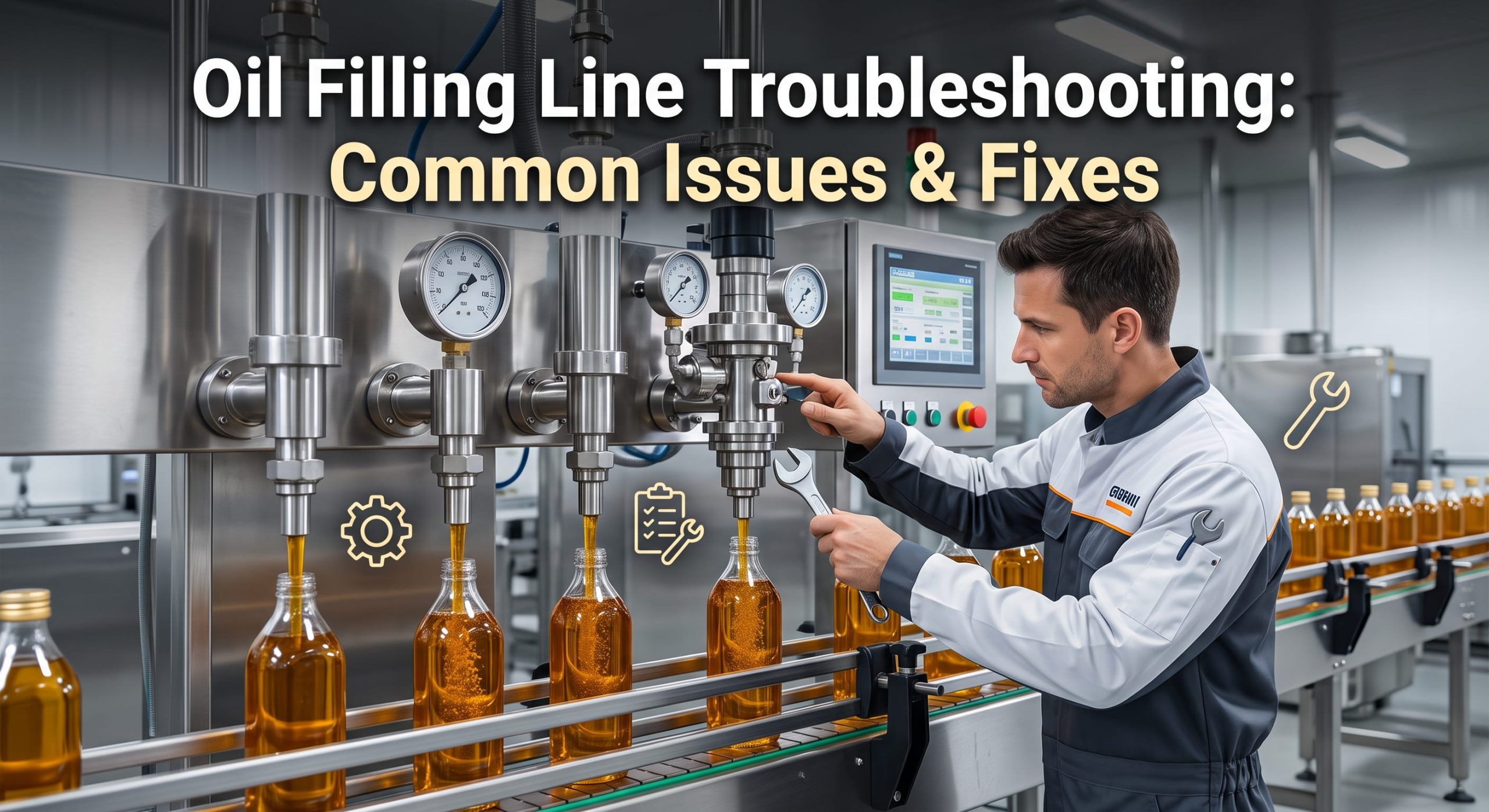
Despite their benefits, filling machines may encounter challenges such as clogging, machine downtime, and maintenance issues. Manufacturers can address these challenges by implementing preventive maintenance schedules, sourcing quality spare parts, and investing in operator training.
Sustainability and Future Outlook
As sustainability becomes a key focus in manufacturing, filling machines are being designed with eco-friendly features such as energy-efficient motors and reusable components. The future outlook for filling machines involves greater integration of smart technologies for enhanced efficiency and environmental impact reduction.
In conclusion, filling machines play a vital role in ensuring product consistency across various industries. By investing in the right type of filling machine, adhering to best practices, and staying updated on industry trends, manufacturers can optimize their production processes and deliver high-quality, consistent products to meet consumer expectations.