
In recent years, the beverage industry has experienced significant growth due to rising consumer demands for varied and innovative products. As a consequence, efficient production techniques have become paramount. Among the crucial components that drive productivity and ensure quality in beverage manufacturing are bottling machines. This article aims to explore the multifaceted dimensions of beverage bottling machines, their types, benefits, and practical implementation in production lines.
Understanding Beverage Bottling Machines
Beverage bottling machines are specialized equipment designed to automate the process of filling, sealing, and labeling bottles for a wide variety of beverages, including soft drinks, juices, water, and alcoholic beverages. These machines not only expedite production but also enhance product consistency and quality. The choice of a bottling machine is influenced by several factors, including the type of beverage to be packaged, production volume, and budget considerations.
Types of Beverage Bottling Machines
Beverage bottling machines can be classified into several categories based on their operation and function:
1. Gravity Filling Machines
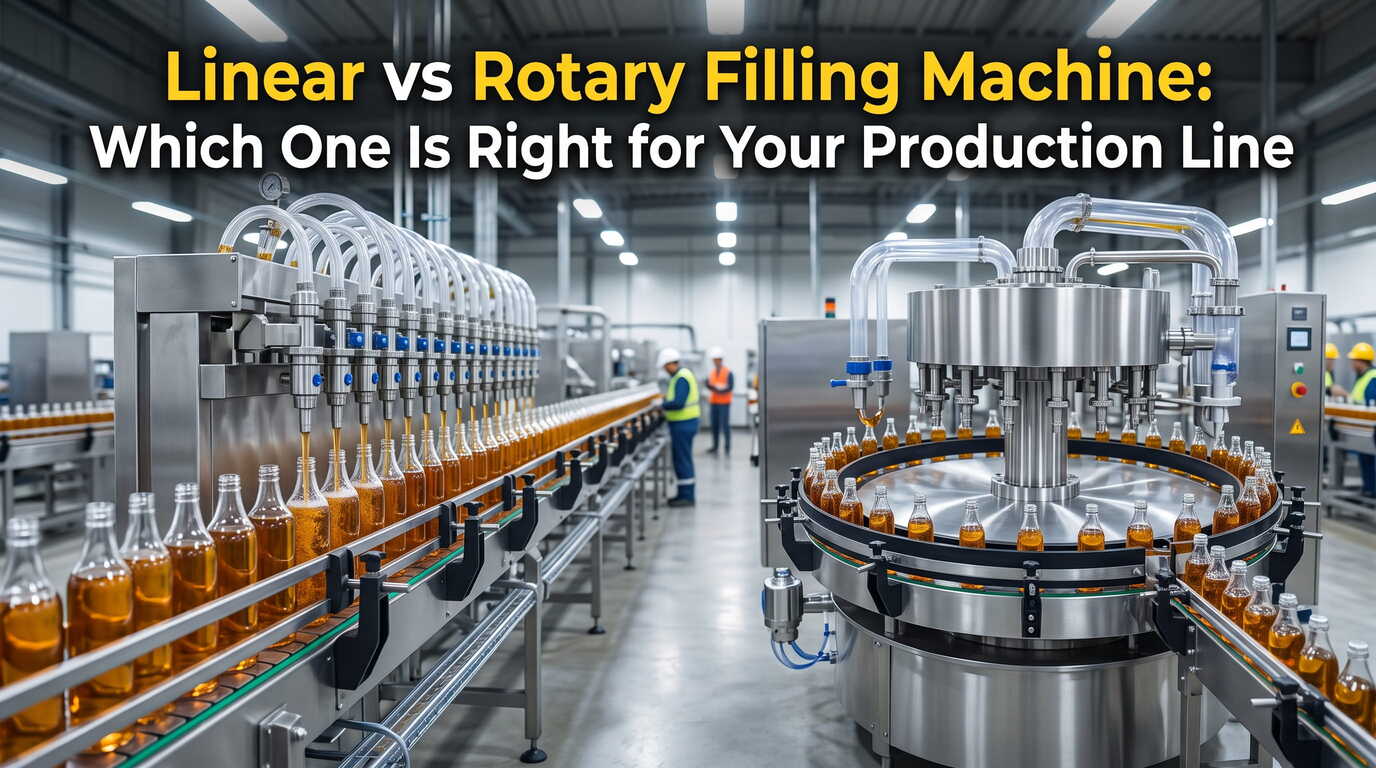
Gravity filling machines operate by relying on gravitational force to fill bottles. They are suitable for less viscous liquids, such as water and soft drinks. These machines are easy to operate and maintain, providing a cost-effective solution for lower production rates.
2. Pressure Filling Machines
Pressure filling machines are ideal for carbonated beverages. They operate by introducing pressure into the bottle, allowing the liquid to flow into it. This method helps to minimize foaming, ensuring a smoother filling process and enhanced product integrity.
3. Vacuum Filling Machines
Vacuum filling machines are primarily used for filling thick liquids and paste-like products. They create a vacuum inside the bottle, which draws the liquid in. This technology is beneficial in preventing spills and ensuring a more accurate fill level.
4. Aseptic Filling Machines
Aseptic filling machines are crucial for preserving the shelf life of beverages without refrigeration. Operating in a sterile environment, they fill and seal containers while eliminating microbial contamination. This method is prevalent in juices and dairy products.
Advantages of Implementing Bottling Machines
The integration of bottling machines into beverage production lines offers several advantages:
1. Enhanced Productivity
Automating the bottling process significantly increases production speed. Manufacturers can process thousands of bottles per hour, far surpassing manual bottling methods. This efficiency allows companies to meet consumer demands and minimize wait times.
2. Consistent Quality Control
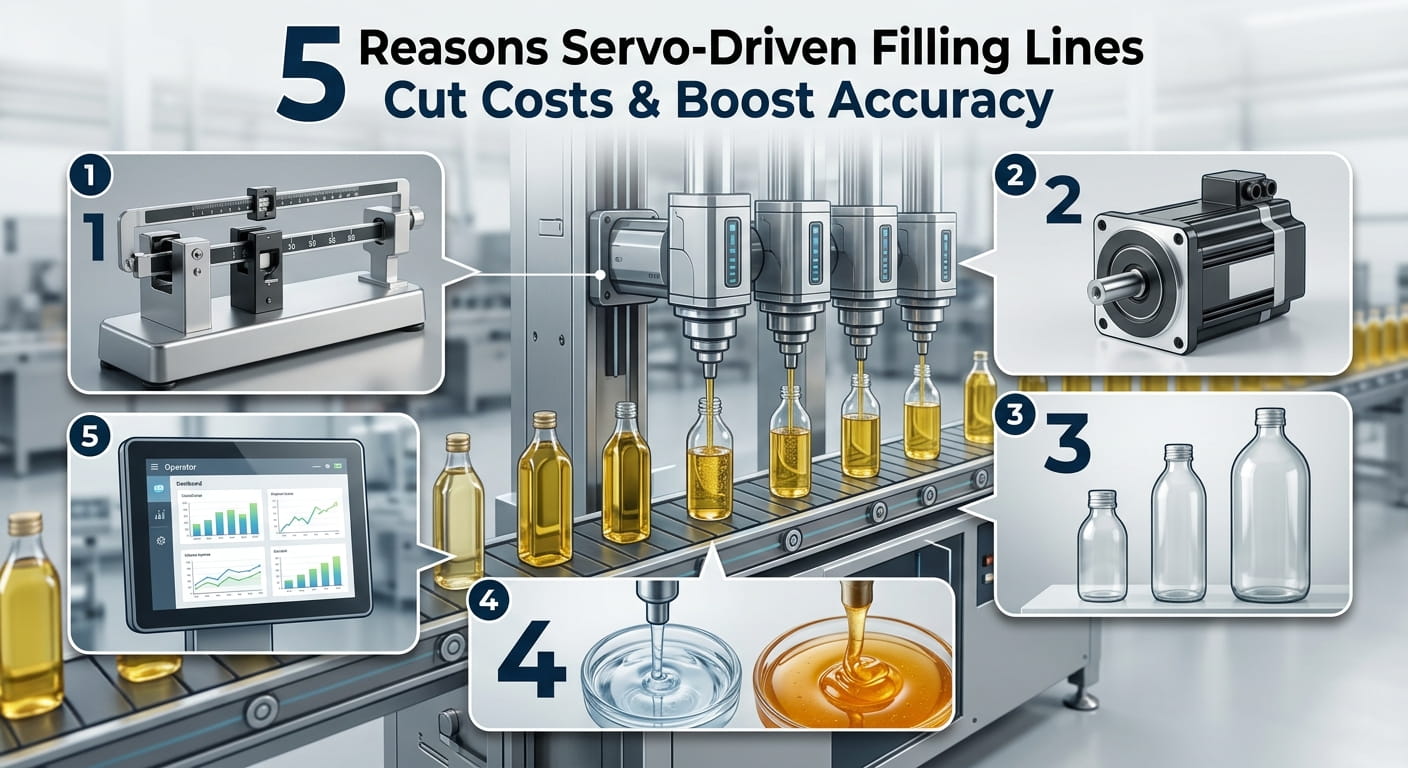
Beverage bottling machines ensure a uniform fill level and sealing quality. Automated systems are programmed to maintain specific parameters, leading to enhanced consistency in product quality—an essential factor in customer satisfaction.
3. Reduced Labor Costs
With the advent of automation in the bottling process, companies can reduce labor costs associated with manual bottling. Fewer personnel are required to operate and monitor production lines, leading to a more streamlined workforce.
4. Improved Safety Standards
Modern bottling machines incorporate safety features that protect operators and minimize potential hazards associated with manual handling. Automation reduces the risks of spills, breakages, and contact with hazardous materials, contributing to a safer workplace.
Choosing the Right Bottling Machine for Your Production Line
Selecting the appropriate bottling machine is critical for ensuring production efficiency and product quality. Here are several essential considerations when making your choice:
1. Beverage Type
Different beverages require distinct filling technologies. Understanding the properties of your product—such as viscosity, carbonation, and sensitivity to light or temperature—is paramount in selecting the right equipment.
2. Production Volume
The volume of beverages produced daily will influence your choice of bottling machinery. High-output facilities may require more sophisticated, high-capacity machines, while smaller operations might manage with simpler, lower-cost options.
3. Budget Constraints
Investing in bottling machinery can be significant. It is crucial to establish a budget that encompasses the purchase price, maintenance costs, and any potential future upgrades. Finding a balance between cost and functionality is essential for long-term success.
4. Space and Layout
Consider the layout of your production facility when choosing a bottling machine. Ensure that you have sufficient space for the equipment and that it can be integrated seamlessly into your existing production line.
Maintenance and Optimization of Bottling Machines
To maximize the lifespan and efficiency of your bottling machines, regular maintenance is necessary. Here’s how you can ensure optimal performance:
1. Routine Inspections
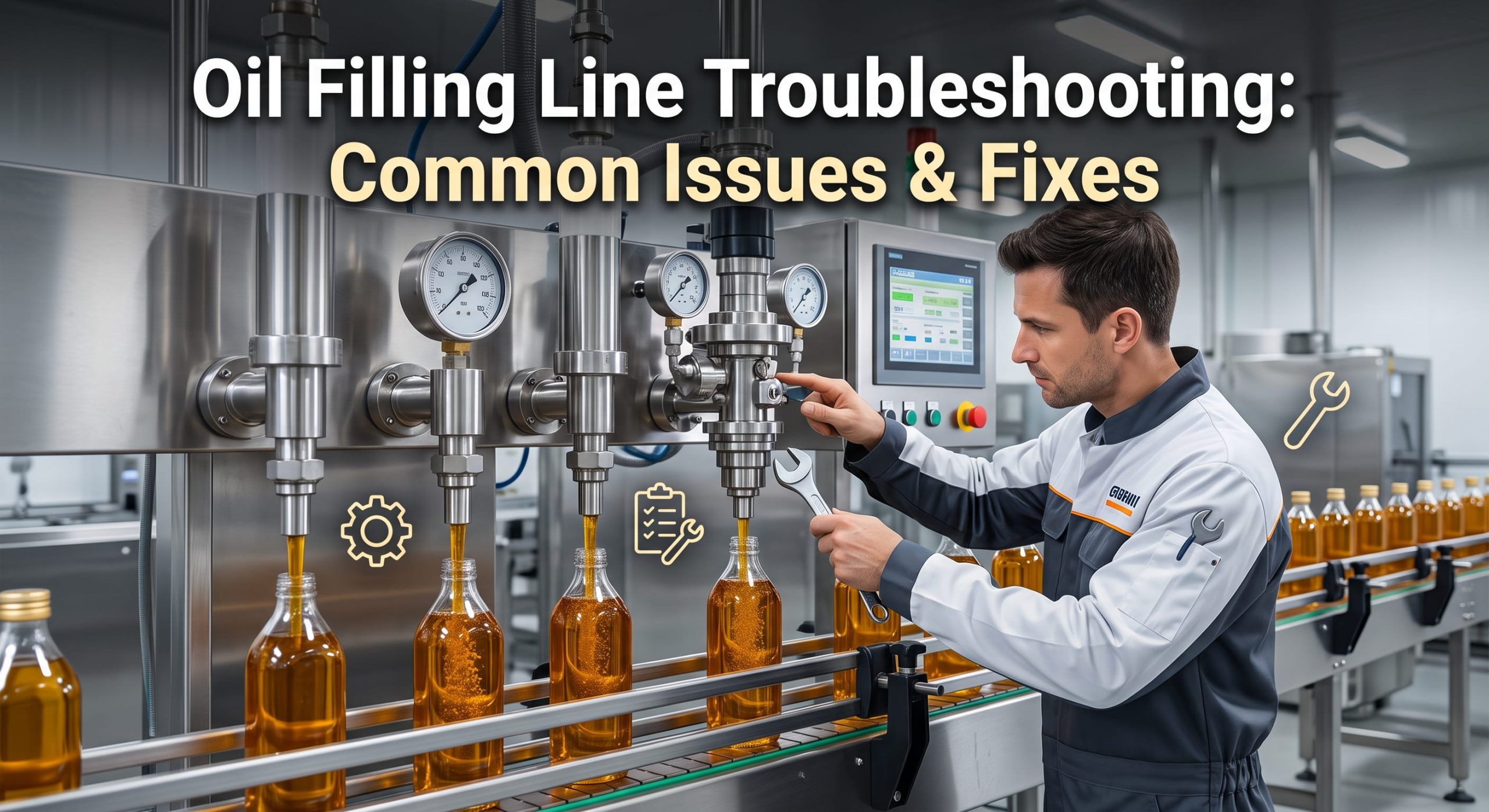
Establish a routine inspection schedule to identify wear and tear on machine components. Early detection of potential issues can prevent costly breakdowns and downtime in production.
2. Cleanliness Protocols
Keep the machines clean to prevent contamination and ensure product quality. Implement standard operating procedures (SOPs) for cleaning and sanitizing the equipment according to industry regulations.
3. Employee Training
Train your staff on the proper operation and maintenance of bottling machines. Well-informed employees are crucial to operating machinery safely and efficiently, thus reducing the chances of errors that could negatively impact production.
Future Trends in Beverage Bottling Technology
As technology advances, the beverage bottling industry is witnessing several promising trends:
1. Increased Automation
Automation is expected to grow, with more manufacturers adopting Industry 4.0 technologies. Smart bottling machines equipped with sensors and data analytics will provide real-time feedback, enhancing production efficiency and quality control.
2. Eco-Friendly Solutions
With sustainability gaining prominence, there is a growing trend towards eco-friendly bottling options. Biodegradable materials, energy-efficient machines, and water-saving technologies are becoming essential considerations in production practices.
3. Customization and Flexibility
As consumer preferences shift towards personalized beverages, bottling machines capable of handling various bottle sizes, shapes, and labeling options offer greater flexibility in meeting diverse market demands.
Conclusion
In conclusion, beverage bottling machines play a pivotal role in the modern beverage industry. Investing in the right machinery, focusing on optimal maintenance, and staying abreast of industry trends can significantly enhance production efficiency and product quality. As consumer demands continue to evolve, those in the beverage production sector must adapt by leveraging cutting-edge technologies and practices to remain competitive and meet the needs of a dynamic market.