
The mineral water industry has seen significant growth in recent years, responding to the increasing consumer demand for healthy and environmentally friendly hydration options. At the heart of this burgeoning industry lies an essential component: filling machines. These machines are crucial for maintaining efficiency, ensuring product quality, and meeting health and safety regulations. In this article, we will explore the various dimensions of filling machines in the mineral water sector, including types, technologies, considerations for selection, and future trends.
Understanding Filling Machines
Filling machines are specialized equipment designed to dispense liquids into containers. In the context of mineral water, they handle the bottling process, ensuring that the product is packaged efficiently and hygienically. The design and technology of these machines can vary significantly, impacting not just operational efficiency but also quality control and sustainability efforts.
Types of Filling Machines
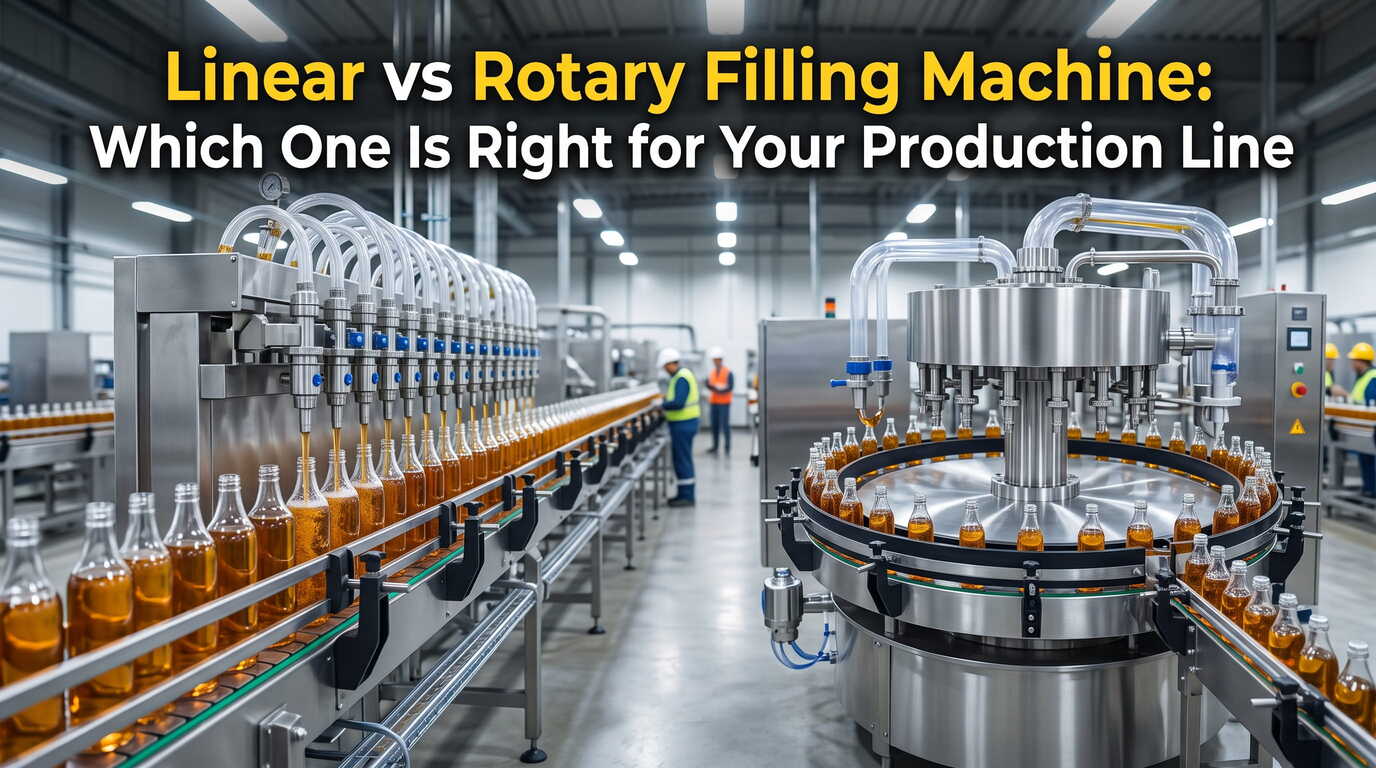
Several types of filling machines are used in the mineral water industry, each suited for different packaging needs and production capacities. Understanding these types is essential for any business looking to optimize its bottling operations.
Gravity Fillers
Gravity fillers function by relying on gravity to pull water from a storage tank into the bottles. They work best with non-viscous liquids like mineral water. This system is often more economical and easier to maintain, making it a popular choice for small to medium-sized bottling operations.
Piston Fillers
Piston fillers use a piston mechanism to draw in a precise volume of liquid, ensuring accurate fills. This type is ideal for businesses requiring high precision and may be ideal for flavored or mineral enhanced waters that present unique consistency challenges.
Pressure Fillers
Pressure fillers are designed for carbonated or pressurized liquids. They maintain pressure in the filling chamber to ensure the integrity of the bubbles in sparkling mineral water while minimizing foam and ensuring fill levels are accurate.
Volumetric Fillers
Volumetric fillers offer another level of precision by measuring the liquid based on pre-set volumes. This type is particularly advantageous for high-speed filling lines where consistency is crucial. They can be configured for a wide range of water types and bottle sizes.
Technological Advancements in Filling Machines
Advancements in technology continue to shape the capabilities of filling machines, making them more efficient, reliable, and environmentally friendly.
Automation
Modern filling machines increasingly incorporate automation technologies to enhance productivity. Automated systems reduce labor costs and the margin for human error, ensuring that the bottling process is as efficient as possible. Operators can monitor and control multiple filling lines from a single interface, offering greater scalability.
Smart Technology
Smart filling machines integrate IoT (Internet of Things) technologies that enable continuous monitoring and data analytics. This capability allows manufacturers to track performance metrics in real-time, performing predictive maintenance and enhancing overall operational efficiency.
Sustainability Features
As environmental concerns move to the forefront of consumer preferences, many filling machines now come with energy-efficient designs that minimize waste. Some systems feature the capability to use recycled materials, furthering sustainability goals in the mineral water industry.
Considerations for Selecting Filling Machines
Choosing the right filling machine depends on various factors unique to each bottling operation. Here are some practical considerations to keep in mind:
Production Capacity
The filling machine’s speed and processing capability should align with your production goals. Assessing the volume of mineral water to be packaged daily will inform what type of machine is ideal, whether high-speed systems for large operations or more flexible systems for smaller batches.
Type of Packaging
Different machines are better suited to specific types of packaging. Consider your preferred bottle sizes and materials, such as glass or PET plastic. Compatibility with your packaging style is crucial for maintaining operational efficiency.
Regulatory Compliance
Ensuring adherence to national and international food safety standards is non-negotiable. Filling machines must comply with health regulations governing the bottling of mineral water. Invest in machines certified by relevant authorities to assure consumers of product safety.
Budget
While it can be tempting to opt for the lowest price, a more robust investment may yield better long-term returns. Assess not only the initial cost but also the long-term operating expenses, maintenance, and durability of the equipment to make a well-informed decision.
Future Trends in the Mineral Water Filling Industry
The filling machine landscape continues to evolve, driven by consumer preferences, technological innovations, and sustainability mandates. Here’s what to expect in the future of the mineral water industry.
Increased Focus on Health and Quality
As consumers become savvier about health and nutrition, there is growing scrutiny on the quality and source of mineral water. Filling machines equipped with enhanced quality control features will become essential, ensuring that every batch meets high standards, free from contaminants, and retains its natural minerals.
Growth of Functional Beverages
The market for functional beverages, including mineral waters infused with vitamins or minerals, is on the rise. Filling machines will need to adapt to accommodate new product offerings and formulations while maintaining speed and efficiency.
Sustainability Initiatives
Environmental stewardship will shape the future of the mineral water industry. Companies will increasingly seek filling machines capable of reducing energy consumption and waste, as well as those that facilitate the use of eco-friendly materials.
Conclusion
The role of filling machines in the mineral water industry cannot be overstated. These machines are essential not only for operational efficiency but also for ensuring quality, safety, and environmental sustainability. As technology advances and consumer preferences shift, businesses must stay adept at selecting the right filling technology and optimizing their processes.
Investing in the right filling machine is not just about meeting current production needs but also about positioning your business for future growth and success. By staying informed on trends, understanding different machine types, and implementing best practices in operation, companies can navigate the complexities of the mineral water market effectively.