
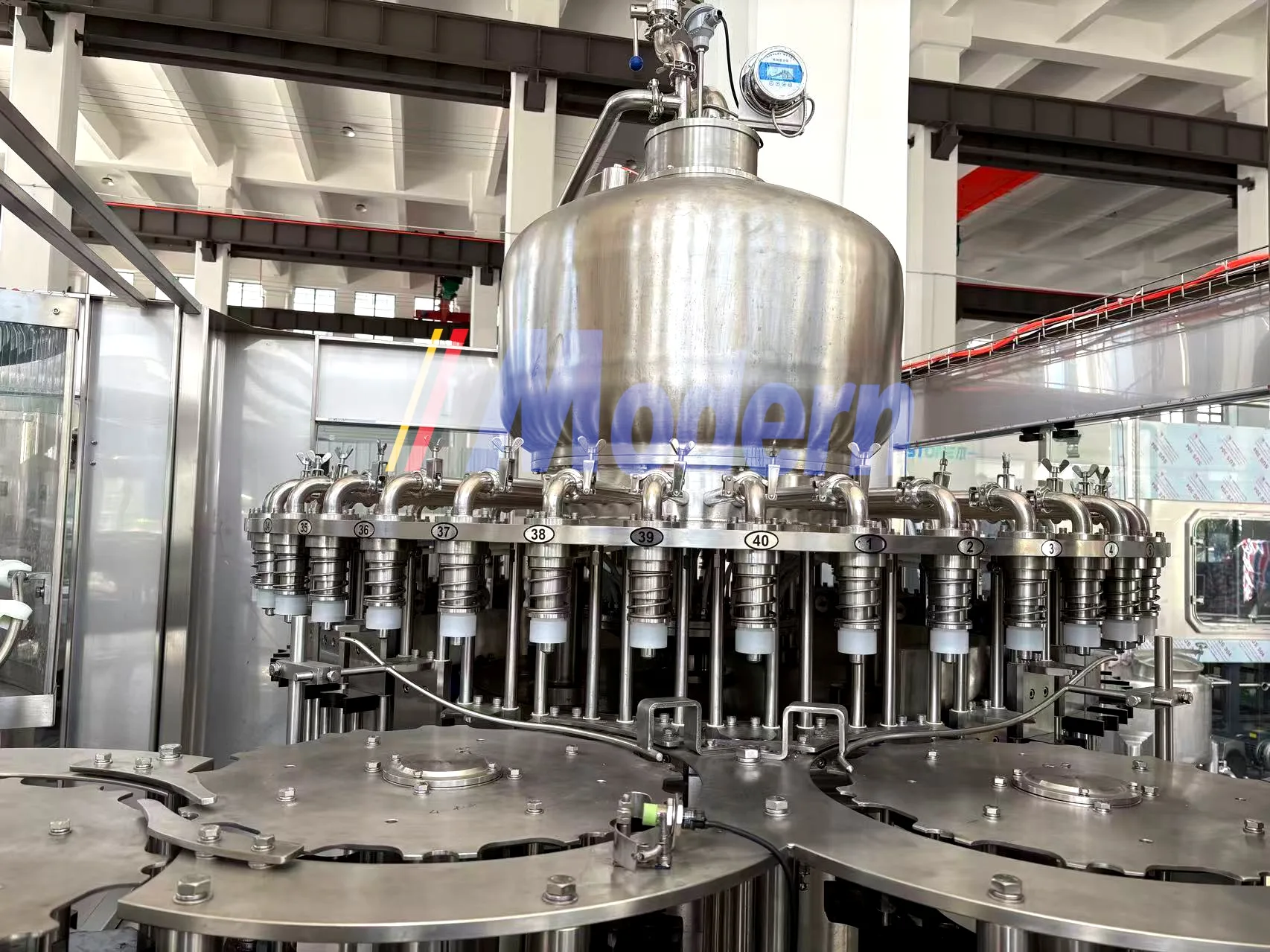
Water purity plays a critical role in the production of juices and soft drinks, impacting not only the quality and taste of the final product but also the overall safety and health aspects. In this comprehensive guide, we delve into the significance of ensuring water purity in the beverage industry and how it influences various stages of production and consumer satisfaction.
Overview and Industry Context
Water serves as a primary ingredient in the manufacturing process of juices and soft drinks, typically constituting a significant portion of the final product. The quality of water used directly affects the flavor, consistency, and shelf-life of beverages. Maintaining high water purity standards is essential to meet regulatory requirements, uphold brand reputation, and ensure consumer trust.
Benefits of Water Purity in Beverage Production
- Enhanced Taste and Aroma: Pure water serves as a neutral base that allows the natural flavors of fruits and ingredients to shine through, creating a more refreshing and enjoyable drinking experience.
- Product Consistency: Water purity helps maintain consistent product quality across batches, ensuring that consumers receive the same taste and texture every time they purchase the beverage.
- Extended Shelf-Life: Contaminants in water can lead to bacterial growth or spoilage, reducing the shelf-life of beverages. Pure water minimizes the risk of microbial contamination, preserving the product for a longer duration.
Types of Water and Their Impact
Various sources of water, such as municipal supply, well water, or purified water, can be used in beverage production. Each type comes with its unique set of challenges and considerations in terms of purity levels, mineral content, and treatment requirements.
Municipal Water Supply
Municipal water is a common choice for beverage manufacturers due to its widespread availability. However, it may contain chlorine, fluoride, or other chemicals that can alter taste and affect product quality. Proper filtration and treatment processes are necessary to remove impurities and ensure compliance with industry standards.
Well Water
Well water may be rich in minerals, which can impact the flavor profile of beverages. Testing and treatment to reduce mineral content and eliminate potential contaminants are essential to maintain water purity and avoid taste discrepancies in the final product.
Purified Water
Purified water undergoes extensive filtration processes to remove impurities, chemicals, and microorganisms, making it an ideal choice for maintaining high water purity standards in juice and soft drink production. It provides a clean, blank canvas that allows flavors to stand out without interference.
Applications and Use Cases
Water purity is crucial at every stage of beverage production, from brewing concentrates and syrups to diluting with water, carbonation, and bottling. Maintaining consistent purity levels ensures that manufacturers meet regulatory requirements, achieve desired taste profiles, and uphold product integrity.
Technical Specifications and Best Practices
- Water Filtration: Implementing multi-stage filtration systems, including reverse osmosis and activated carbon filters, can effectively remove impurities and contaminants from water.
- Regular Testing: Conducting routine water quality tests, including pH levels, microbial counts, and mineral analysis, helps monitor and maintain water purity throughout the production process.
- Sanitation Protocols: Adhering to strict sanitation practices, such as cleaning and disinfecting water storage tanks and pipelines, prevents cross-contamination and ensures the integrity of the water supply.
Market Trends and Industry Insights
The beverage industry is witnessing a growing emphasis on sustainable practices and environmental responsibility. Many manufacturers are exploring water conservation strategies, recycling methods, and advanced filtration technologies to minimize water wastage and reduce their environmental footprint.
Challenges and Solutions
Common challenges in maintaining water purity include microbial contamination, mineral imbalance, and taste inconsistencies. Implementing robust quality control measures, investing in state-of-the-art filtration systems, and conducting regular audits can help address these issues and maintain high standards of water purity.
Sustainability and Future Outlook
As consumer awareness regarding environmental impact increases, the beverage industry is shifting towards more sustainable practices. Implementing water-saving initiatives, optimizing production processes, and exploring alternative water sources are key strategies to ensure long-term sustainability and innovation in juice and soft drink production.
Ensuring water purity in juice and soft drink production is not just a quality assurance measure but a critical aspect that influences consumer perceptions, brand reputation, and industry sustainability. By prioritizing high water purity standards and adopting best practices in water management, manufacturers can differentiate themselves in a competitive market and meet the evolving demands of consumers worldwide.


