
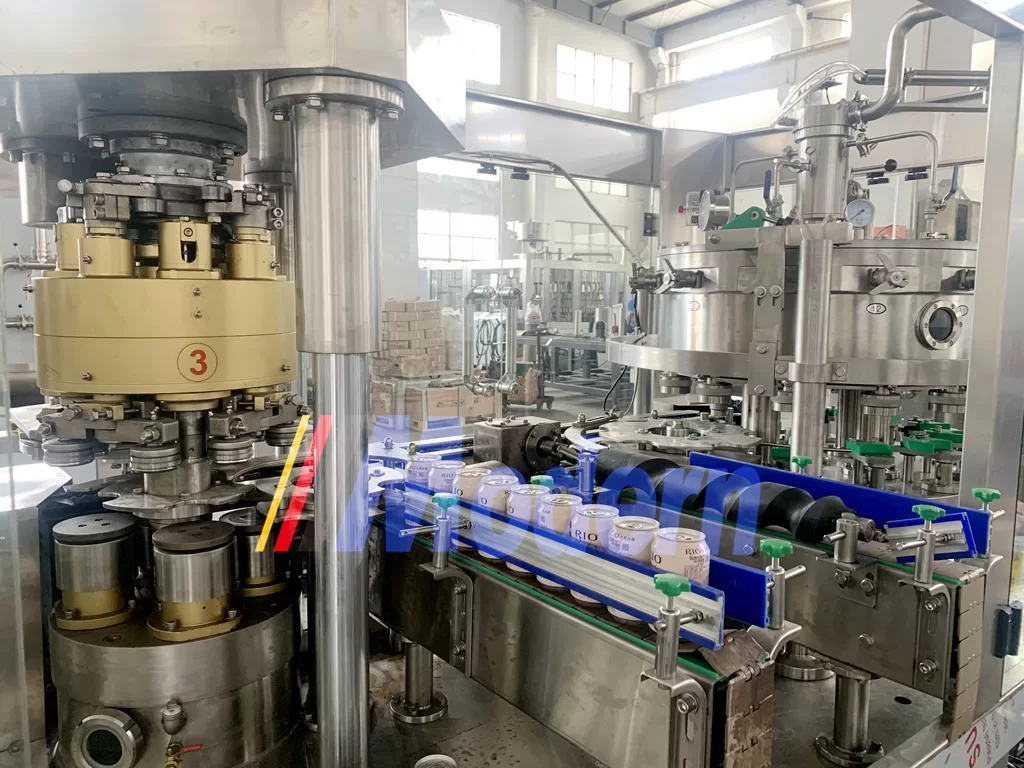
Overview
Temperature control in beverage lines is a critical aspect of maintaining the quality and consistency of beverages in various industries, including the food and beverage sector. Whether it’s beer, soda, juice, or any other type of liquid, ensuring the correct temperature along the entire beverage line is essential for delivering a top-notch product to consumers.
Benefits of Temperature Control in Beverage Lines
- Preserves Flavor: Maintaining the right temperature helps preserve the flavor profile of the beverage, ensuring a consistent taste with every pour.
- Quality Assurance: Proper temperature control prevents spoilage and bacterial growth, ensuring the beverage meets quality standards.
- Optimal Carbonation: For carbonated beverages, temperature control is crucial to maintaining the desired level of carbonation.
- Customer Satisfaction: Consistent quality leads to increased customer satisfaction and loyalty.
Types of Temperature Control Systems
Refrigeration Units
Refrigeration units are commonly used in beverage lines to maintain the proper temperature. These units come in various sizes and capacities to suit different production scales.
Insulated Lines
Insulated lines help prevent temperature fluctuations and maintain the desired temperature throughout the beverage line, ensuring product integrity.
Thermostatic Valves
Thermostatic valves are used to regulate the flow of temperature-controlled fluids through the beverage line, ensuring consistent temperatures.
Applications and Use Cases
Temperature control in beverage lines is crucial for a wide range of applications, including:
- Bars and Restaurants
- Breweries and Microbreweries
- Bottling Plants
- Soft Drink Manufacturing
Technical Details and Best Practices
When setting up a temperature control system for beverage lines, consider the following technical aspects:
- Monitoring and Control: Use sensors and automation to monitor and adjust temperatures in real-time.
- Cleaning and Maintenance: Regularly clean and maintain the system to prevent contamination and ensure optimal performance.
- Calibration: Ensure the temperature control equipment is properly calibrated for accurate readings.
Market Trends and Industry Insights
The beverage industry is constantly evolving, with trends such as eco-friendly packaging, healthier ingredients, and customization driving innovation. Temperature control systems are also becoming more advanced, integrating IoT technology for remote monitoring and control.
Challenges and Solutions
Common challenges in temperature control systems include equipment failures, temperature fluctuations, and contamination. Implementing regular maintenance schedules, investing in quality equipment, and training staff on best practices can help mitigate these challenges.
Sustainability and Future Outlook
Sustainability is a growing concern in the beverage industry, with companies focusing on reducing energy consumption, minimizing waste, and adopting eco-friendly practices. The future of temperature control in beverage lines lies in efficient, energy-saving solutions that prioritize sustainability without compromising product quality.
By addressing the importance of temperature control in beverage lines, businesses can enhance the quality of their products, improve customer satisfaction, and stay competitive in the ever-evolving beverage industry landscape. Proper temperature control is not just a necessity but a critical component of delivering top-tier beverages to consumers worldwide.


