
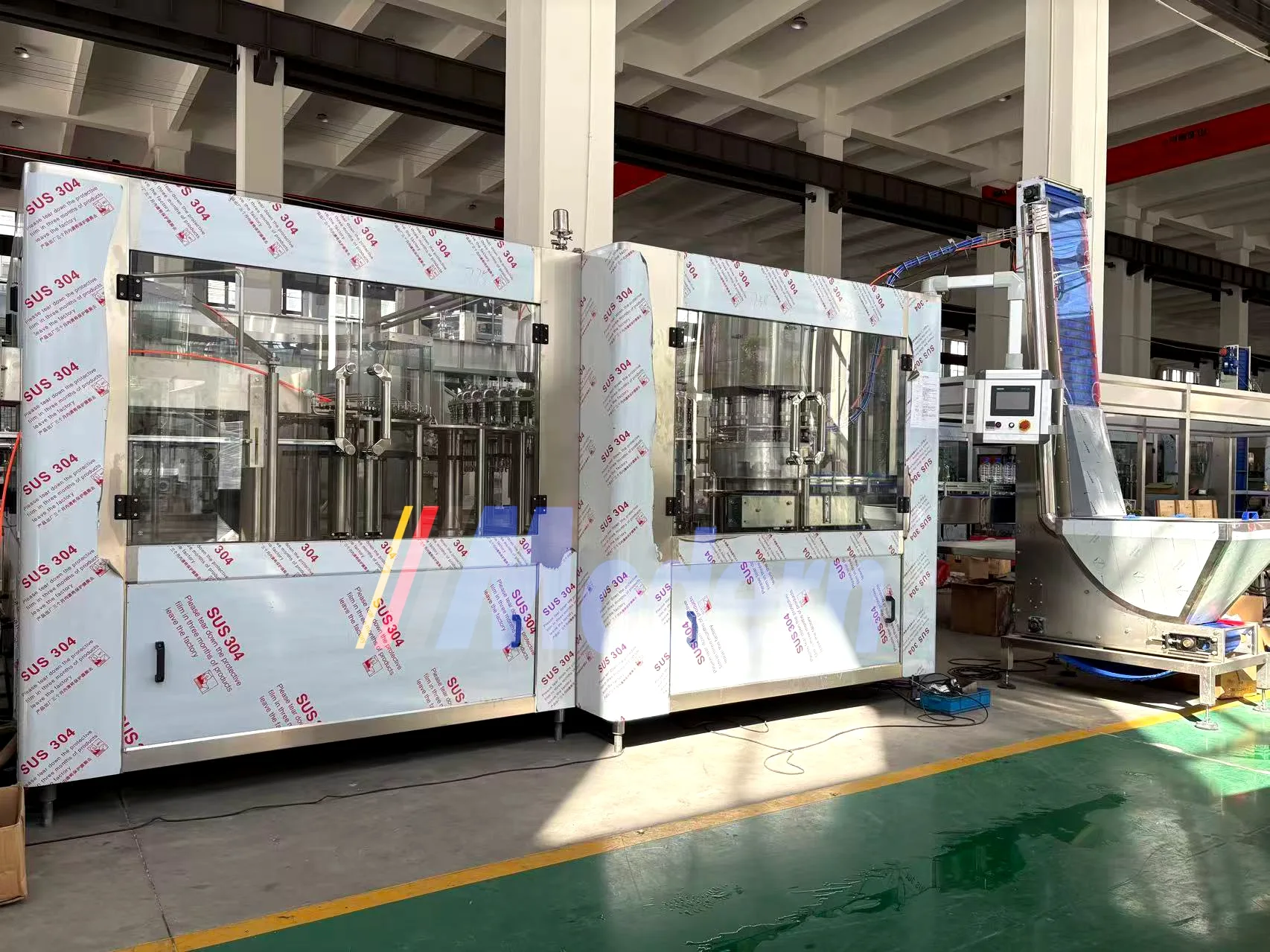
Overview
Ensuring food safety is a critical aspect of the food industry, affecting both consumer health and business reputation. Regular maintenance plays a pivotal role in upholding high standards of food safety, preventing contamination, and adhering to regulatory requirements. This article explores the significance of consistent maintenance practices in maintaining food safety.
Benefits and Advantages
Regular maintenance for food safety offers numerous benefits to businesses, including:
- Preventing contamination and foodborne illnesses.
- Enhancing product quality and extending shelf life.
- Boosting consumer trust and loyalty.
- Complying with industry regulations and standards.
- Reducing the risk of costly recalls and legal repercussions.
Types of Maintenance for Food Safety
There are several types of maintenance practices that are crucial for ensuring food safety:
- Cleaning and sanitizing equipment and workspaces regularly.
- Calibrating machinery and equipment to maintain accuracy.
- Inspecting and replacing damaged or worn parts promptly.
- Training staff on proper handling, storage, and hygiene practices.
- Implementing pest control measures to prevent infestations.
Applications and Use Cases
Regular maintenance for food safety is essential across various sectors of the food industry:
- Food processing plants and manufacturing facilities.
- Restaurants, cafes, and catering services.
- Retail and grocery stores handling perishable goods.
- Food transportation and logistics companies.
- Farms and agricultural operations producing fresh produce.
Technical Details and Best Practices
Key technical aspects of maintenance for food safety include:
- Developing a comprehensive maintenance schedule and checklist.
- Using food-grade cleaning agents and sanitizers.
- Regularly testing equipment for efficiency and accuracy.
- Training employees on proper cleaning and hygiene protocols.
- Maintaining detailed records of maintenance activities for compliance.
Market Trends and Industry Insights
The food industry is witnessing several trends related to maintenance for food safety:
- Increased automation in cleaning and maintenance processes.
- Integration of IoT and smart technologies for monitoring equipment.
- Rise in demand for sustainable and eco-friendly maintenance practices.
- Adoption of predictive maintenance models to minimize downtime.
Challenges and Solutions
Common challenges in maintaining food safety include:
- Staff turnover leading to inconsistent maintenance practices.
- Budget constraints affecting investment in equipment upkeep.
- Complex regulatory requirements necessitating continuous compliance efforts.
To address these challenges, businesses can implement solutions such as:
- Regular staff training and knowledge sharing initiatives.
- Optimizing maintenance budgets through prioritization and cost-effective solutions.
- Utilizing software solutions for streamlined compliance management.
Sustainability and Future Outlook
Sustainable maintenance practices are gaining traction in the food industry, with an emphasis on reducing waste, energy consumption, and environmental impact. The future of maintenance for food safety lies in the integration of green technologies, circular economy principles, and continuous innovation to ensure safe and sustainable food production.
By prioritizing regular maintenance for food safety, businesses can safeguard their operations, protect consumer health, and uphold industry standards, ultimately contributing to a healthier and more sustainable food supply chain.


