
The global beverage industry continues to evolve at an unprecedented pace, with consumer preferences shifting towards healthier options like fruit juices. In this dynamic landscape, manufacturers must ensure efficient production processes to meet increasing demand. One of the pivotal components in juice production is the juice filling machine. This article delves into the significance, types, benefits, and practical considerations associated with juice filling machines in the beverage sector.
Understanding Juice Filling Machines
Juice filling machines are specialized equipment designed to automate the process of filling bottles, cartons, or other containers with liquid juice. These machines vary in terms of their filling technology, capacity, and functionality, which allows them to cater to diverse production needs. Understanding the mechanics and workings of these machines is essential for manufacturers aiming to enhance production efficiency and product quality.
Types of Juice Filling Machines
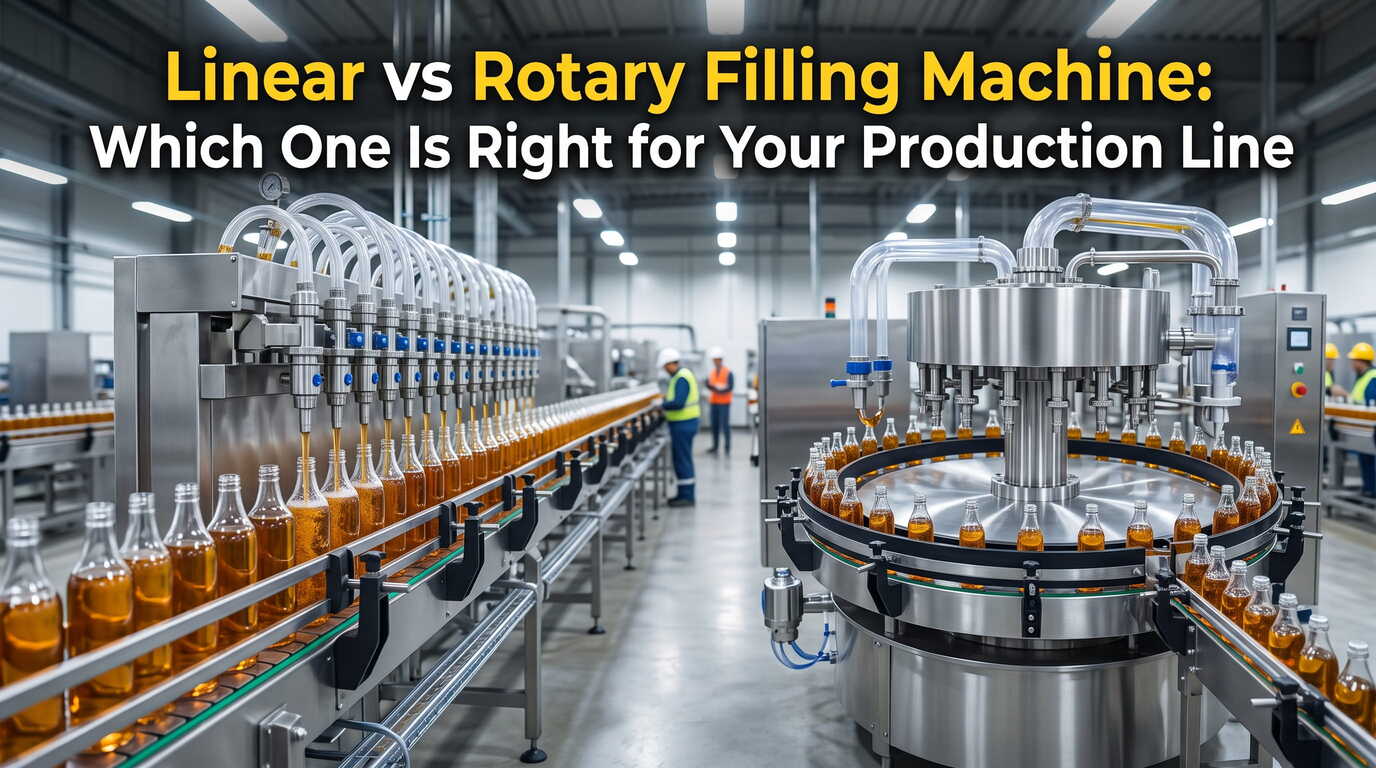
There are several types of juice filling machines, each designed to cater to specific production requirements and juice formulations. The primary categories include:
- Gravity Filling Machines: Ideal for less viscous juices, gravity filling machines rely on the force of gravity to fill containers. This method is straightforward and fast, making it suitable for high-volume production.
- Pneumatic Filling Machines: Utilizing compressed air, pneumatic fillers are effective for juices that have varying viscosities. They offer more precision in filling, especially for juices with pulp or other particulates.
- Vacuum Filling Machines: This type employs a vacuum to draw juice into the container, minimizing air exposure during the filling process, which helps maintain product quality and freshness.
- Auger Filling Machines: Best suited for thicker juices or sauces, auger fillers use a rotating auger to dispense product accurately into containers, allowing for greater control over filling volumes.
The Role of Juice Filling Machines in Production Efficiency
Streamlining Operations
In an era where efficiency is paramount, juice filling machines play a crucial role in streamlining the beverage production process. By automating the filling procedure, these machines significantly reduce labor costs and human error. They allow manufacturers to achieve consistent filling volumes, improving overall product quality and minimizing waste.
Meeting Increasing Demand
As consumers become more health-conscious and demand for natural juices surges, manufacturers must ramp up production to meet these needs. Juice filling machines enable businesses to scale their operations effectively. With models designed for high-speed production, manufacturers can ensure timely delivery without compromising on quality.
Enhancing Product Safety and Quality
Moreover, juice filling machines incorporate various features that enhance food safety and quality. Many models are designed to maintain aseptic conditions during filling, which preserves the juice’s taste and nutrients. Additionally, advanced systems allow for real-time monitoring of fill levels, temperature, and pressure, ensuring adherence to regulatory standards and quality control.
Choosing the Right Juice Filling Machine
When selecting a juice filling machine, several factors must be taken into consideration to ensure optimal performance and return on investment (ROI).
Understanding Production Volume
Assessing your production volume is imperative. Machines come in different capacities, ranging from small-scale operations to high-output industrial machines. Understanding your output requirements will guide you in selecting a machine that meets your specific needs without over- or under-investing.
Considering Juice Composition
The type of juice being processed significantly impacts machine selection. For instance, juices with pulp necessitate filling machines that can handle particulates without clogging the system. Be sure to choose a machine that is compatible with the viscosity and composition of your juice.
Maintenance and Support
Regular maintenance is vital for ensuring the longevity of any machinery. Opt for juice filling machines from manufacturers who offer comprehensive maintenance support and readily available spare parts. This commitment to service will minimize downtime and enhance productivity.
The Economic Impact of Juice Filling Machines
The investment in juice filling machines can yield significant economic benefits for beverage manufacturers. Initial setup costs may seem high, but the efficiency gains and reduction in labor costs can lead to substantial savings over time. Additionally, investing in high-quality filling equipment can enhance production capacity and product quality, ultimately attracting a broader customer base.
Case Study: Improving Productivity
To illustrate the economic impact, consider a mid-sized juice manufacturing company that decided to upgrade from manual filling processes to automatic juice filling machines. Within six months, the company reported a 30% increase in productivity and a reduction in product wastage by approximately 15%. This move not only improved their profit margins but also bolstered their reputation as a reliable juice supplier in a competitive market.
Future Trends in Juice Filling Technology
Technological advancements continue to shape the landscape of juice filling machines. As industries push towards sustainability, future trends may include:
Integration of Smart Technology
Smart factories equipped with IoT technology allow machines to communicate and optimize filling processes continuously. This advancement enhances efficiency and ensures timely maintenance, minimizing operational disruptions.
Environmental Considerations
With growing environmental awareness, manufacturers are adopting eco-friendly practices. Juice filling machines that minimize waste and utilize sustainable packaging materials are becoming increasingly popular. Innovations in this area not only contribute to sustainability goals but also attract environmentally conscious consumers.
Concluding Thoughts
In conclusion, juice filling machines are indispensable components of modern juice production. Their ability to streamline operations, enhance product quality, and adapt to market demands positions them as essential tools for beverage manufacturers aiming to succeed in a competitive environment. By understanding the different types of machines available, assessing production needs, and keeping an eye on future trends, manufacturers can make informed decisions that will drive their business forward.
As the beverage industry continues to evolve, investing in advanced juice filling technology will undoubtedly be key for companies focused on efficiency, quality, and sustainability. With the right equipment, manufacturers can not only meet consumer demands but also carve out a niche in the thriving market of natural beverages.