
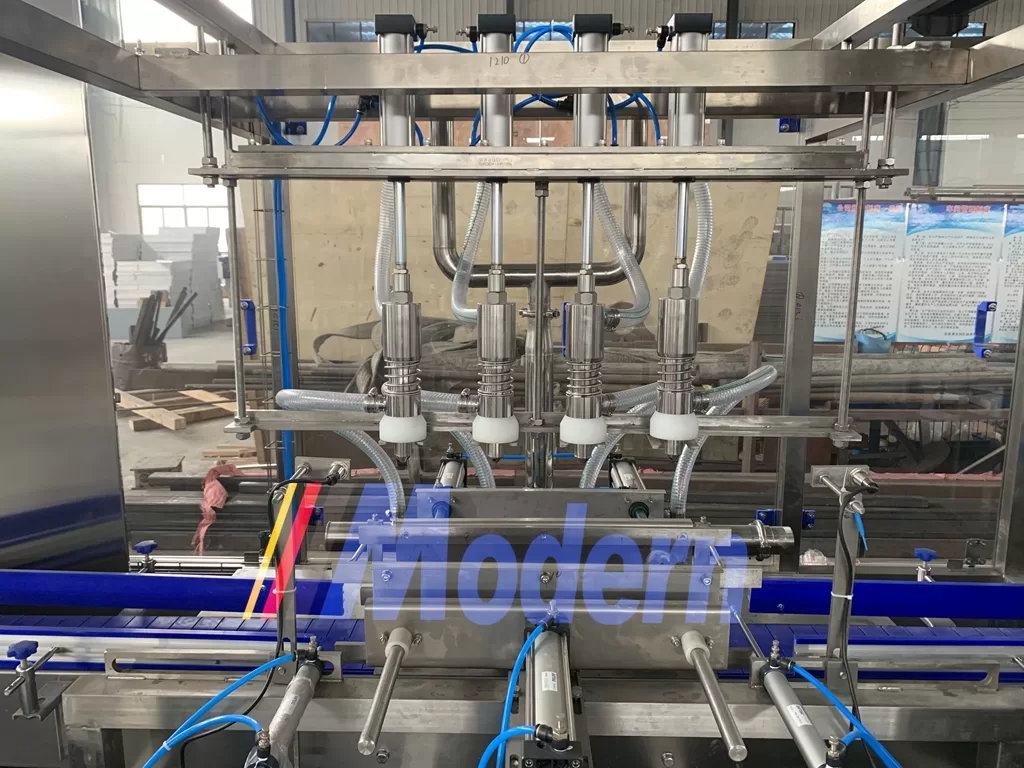
In today’s competitive manufacturing landscape, the efficiency and reliability of production processes play crucial roles in determining the success of businesses. One key component in achieving operational excellence is the use of advanced filling equipment. This article delves deep into the various types of filling equipment, their importance across different industries, and practical advice for selecting and optimizing them for your specific needs.
Types of Filling Equipment
Filling equipment encompasses a wide range of machines designed to distribute products into containers during the manufacturing and packaging processes. Understanding the different types of filling machinery is essential for making informed decisions about which equipment best suits your operations.
1. Volumetric Fillers
Volumetric fillers are designed to dispense a predetermined volume of product into containers. This type of filling equipment is widely used in the food and beverage, pharmaceutical, and cosmetic industries. They can handle liquids, pastes, and even granules, making them versatile for various applications. Volumetric fillers can be further categorized into positive displacement fillers and gravity fillers, each equipped for different product types.
2. Weigh Fillers
Weigh fillers utilize advanced load-cell technology to measure the weight of the product being dispensed. These machines ensure high accuracy, making them particularly suitable for powders and dry bulk products. Weigh fillers are popular in industries like agriculture and chemicals, where precise measurements are critical.
3. Piston Fillers
Piston fillers are essential for products with varying viscosities, including thick liquids and emulsions. They function by using a piston to draw in a specific amount of product before releasing it into the container. Their ability to handle a wide range of viscosities makes them invaluable for food manufacturing applications, such as sauces or creams.
4. Aerosol Filling Systems
Aerosol filling systems are specialized equipment designed to package products in pressurized containers. This type of filling equipment is essential in the cosmetics and cleaning product sectors, where aerosol delivery is a preferred method. Advanced aerosol filling systems can handle a variety of propellants and deliver consistent spray patterns.
Importance of Filling Equipment in Manufacturing
Filling machinery is not just a part of the production line; it significantly impacts efficiency, quality, and overall business performance. Here are several key reasons why investing in effective filling equipment is vital for manufacturers:
1. Enhanced Productivity
Modern filling equipment is designed for high-speed operations, allowing businesses to meet production targets efficiently. Automated fillers can operate consistently without breaks, thereby reducing downtime and increasing output. This increased productivity is critical in high-demand environments where every second counts.
2. Consistent Product Quality
In the world of manufacturing, maintaining consistent quality is paramount. Filling equipment that is well-calibrated minimizes the risk of overfilling or underfilling, thereby ensuring uniformity across every unit produced. This consistency helps build brand trust and can reduce waste due to quality control issues.
3. Flexibility and Adaptability
Modern filling systems are increasingly designed to be adaptable. Many machines are equipped with adjustable settings, allowing manufacturers to quickly switch between different products or change container sizes with minimal downtime. This flexibility ensures businesses can respond to market changes without extensive retooling.
4. Compliance and Safety
Many industries are governed by stringent regulatory standards to ensure product safety and quality. Investing in state-of-the-art filling equipment can assist companies in meeting these compliance requirements. Advanced systems often come with built-in features that enhance safety, such as fail-safes and automatic shut-off functions.
Choosing the Right Filling Equipment
With numerous options available, selecting the right filling equipment is a challenging task. Below are actionable steps to help you navigate this crucial decision.
1. Conduct a Needs Assessment
The first step in choosing filling equipment is to conduct a thorough needs assessment. Evaluate your current production lines, the types of products you fill, and your desired output levels. Understanding these factors will help you determine the specifications necessary for your filling equipment.
2. Consider Product Characteristics
Different filling equipment is designed to handle products of varying viscosities, densities, and flow rates. Identify the characteristics of your product to ensure the equipment you select can manage it without issues. For example, if you produce thick sauces, a piston filler may be more appropriate than a gravity filler.
3. Evaluate Production Volume and Speed
Assess your production goals and the speed at which you need to fill containers. High-volume operations often require faster machinery that can maintain accuracy under pressure. For smaller operations, manual or semi-automated systems may suffice.
4. Explore Automation Options
Automation can significantly enhance efficiency and reduce labor costs. Explore whether fully automated filling machines or semi-automated solutions would align best with your operational goals. However, it’s essential to balance the initial investment against long-term savings in productivity and labor costs.
5. Research Supplier and Support
Before making a purchase, conduct thorough research on the suppliers available in the market. Look for established providers known for their high-quality equipment and customer service. Additionally, consider the support and training offered, as proper installation and staff training are interrelated to the longevity of the equipment.
Optimizing the Use of Filling Equipment
Investing in filling equipment is only one part of ensuring its success within your operation. To maximize its effectiveness, consider the following optimization tips:
1. Regular Maintenance
Equipment failure can lead to production delays and lost revenue. Establish a regular maintenance schedule for your filling equipment to ensure it operates smoothly. This proactive approach will help identify and resolve potential issues before they escalate.
2. Continuous Training for Staff
Your employees are the backbone of your production line. Continuous training on operating machinery and understanding troubleshooting procedures can foster a more efficient working environment. Ensured training will also contribute to safety compliance.
3. Monitor Performance Metrics
Track key performance indicators, such as filling speed, accuracy, and downtime. Analyzing performance metrics allows for data-driven decisions that foster continuous improvement.
4. Stay Updated with Industry Trends
The manufacturing landscape is constantly evolving, with advancements in technology and changes in market demands. Staying informed about trends can position your business competitively, ensuring that you always use the most suitable filling equipment.
Conclusion
Filling equipment is a critical component of modern manufacturing processes. Selecting the right type of filling machinery, understanding its importance, and maintaining effective practices can significantly impact your business’s efficiency, quality, and profitability. By conducting a needs assessment, evaluating supplier options, and committing to staff training, manufacturers can position themselves for long-term success in an ever-evolving market. Investing in state-of-the-art filling equipment is not just about production; it’s about ensuring the future viability and competitiveness of your business in the global marketplace.


