The dairy industry is a critical sector globally, supplying millions of consumers with essential products like milk, cheese, and yogurt. A significant aspect of this industry is the bottling process, which can greatly influence the quality and distribution of dairy products. This article explores the various dimensions of milk bottling machinery, including its importance, types, operational efficiency, and considerations for selection and maintenance. By understanding the intricacies of milk bottling technology, stakeholders can enhance their operational capabilities and meet market demands more effectively.
The Role of Milk Bottling Machinery
Milk bottling machinery plays a vital role in the dairy supply chain, ensuring that milk is packaged efficiently, safely, and consistently. Efficient bottling systems help maintain product quality, extend shelf life, and comply with stringent health and safety regulations. The choice of bottling machinery can affect everything from production speed to operational costs, making it essential for dairy producers to invest in technology that supports their unique needs.
Enhancing Product Quality
One of the primary objectives of milk bottling machinery is to preserve the quality of the milk. This preservation includes maintaining flavor, nutrition, and aroma. Modern bottling machines are designed to minimize exposure to contaminants and ensure proper handling. Furthermore, technologies such as pasteurization integrated within the bottling line can further safeguard against harmful bacteria, guaranteeing that the end product is not only safe for consumption but also meets the highest quality standards.
Efficiency and Productivity
In today’s fast-paced market, efficiency is paramount. Advanced milk bottling machinery can fill, cap, and label bottles at high speeds, enabling dairy producers to meet consumer demands quickly. This efficiency can lead to increased productivity, allowing businesses to scale operations to handle larger orders without compromising on quality. Automation in bottling lines minimizes human intervention, reducing labor costs and the risk of human error, thus enhancing overall operational efficiency.
Types of Milk Bottling Machinery
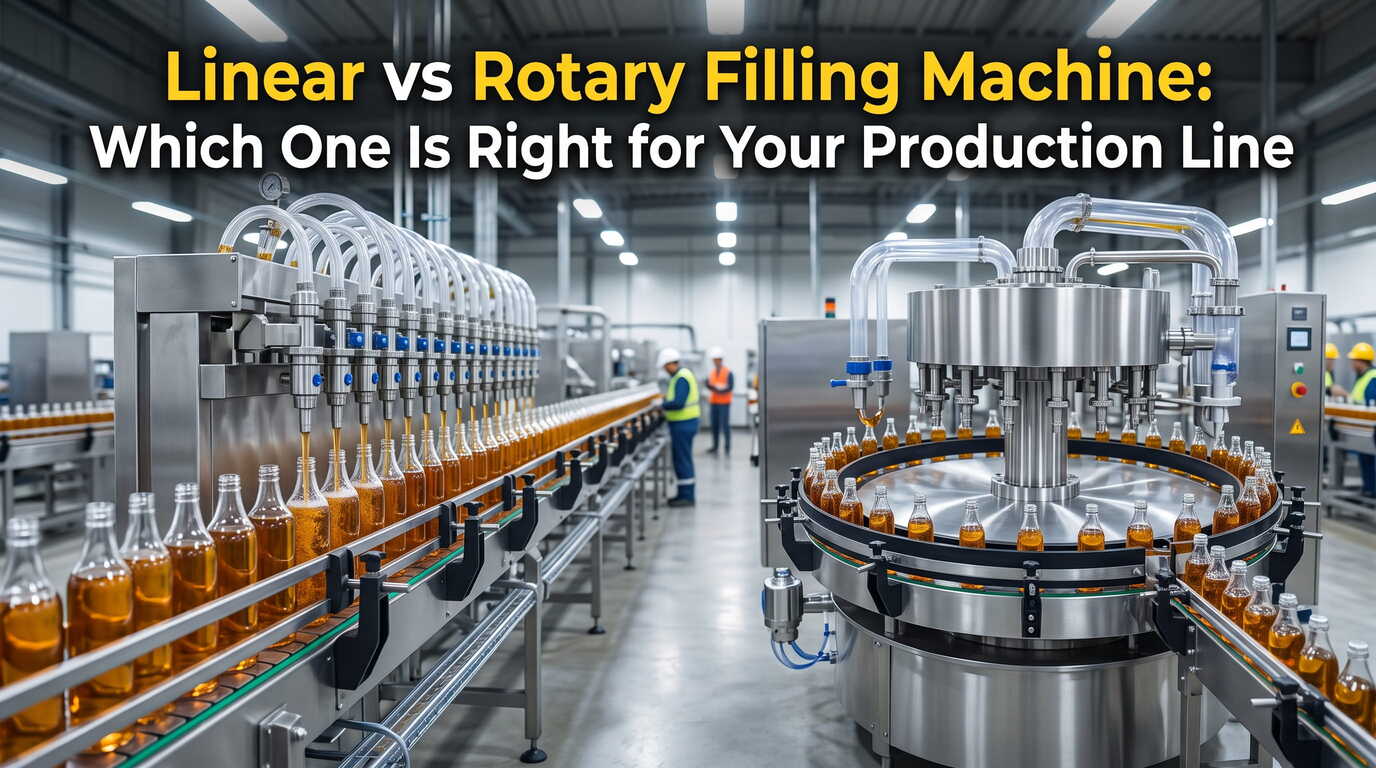
The dairy industry features various types of milk bottling machinery tailored to different production scales, product types, and packaging designs. Understanding these options can help producers make informed decisions.
Fully Automatic Bottling Machines
Fully automatic bottling machines are designed for large-scale operations. These systems handle the entire process, from cleaning and rinsing bottles to filling, capping, and labeling. They are equipped with sensors and programmable controls that optimize the process, allowing for high-speed operation with minimal manual input. Producers investing in fully automatic systems can expect significant reductions in labor costs and increases in production efficiency.
Semi-Automatic Bottling Machines
Semi-automatic bottling machines require some manual intervention but still offer a blend of automation and hands-on operation. These machines are ideal for medium-sized operations that may not have the capital to invest in fully automated systems. They balance efficiency with flexibility, allowing producers to adapt processes based on fluctuations in demand.
Manual Bottling Systems
While less common in large-scale operations, manual bottling systems remain relevant, particularly for small-scale dairies and artisanal producers. Manual bottling allows for greater control over the process and is often more cost-effective for businesses with lower production volumes. However, as operations grow, transitioning to automated systems may be necessary to maintain competitiveness.
Factors to Consider When Selecting Milk Bottling Machinery
Selecting the right milk bottling machinery is a critical decision that can influence the success of a dairy operation. Several factors should be carefully considered:
Production Capacity
Understanding production capacity is fundamental. Producers should assess their current and projected output levels to determine whether they require a low, medium, or high-speed bottling system. This assessment ensures that the selected machinery aligns with production goals and market demands.
Type of Packaging
The type of packaging significantly impacts the choice of bottling machinery. Options include glass, plastic, or carton packaging, each requiring different bottling systems. Producers should consider the availability of packaging materials, their costs, and consumer preferences when making this decision.
Regulatory Compliance
The dairy sector is heavily regulated to ensure food safety and quality. As such, bottling machinery must comply with local and international standards. Producers must be aware of these regulations and ensure that the machinery meets all necessary compliance requirements.
Ease of Maintenance and Support
When selecting bottling machinery, consider the ease of maintenance and availability of technical support. Reliable machinery is crucial for minimizing downtime and maintaining production schedules. It’s essential to choose equipment from reputable manufacturers that offer comprehensive support and maintenance services.
Maintenance and Care for Bottling Machinery
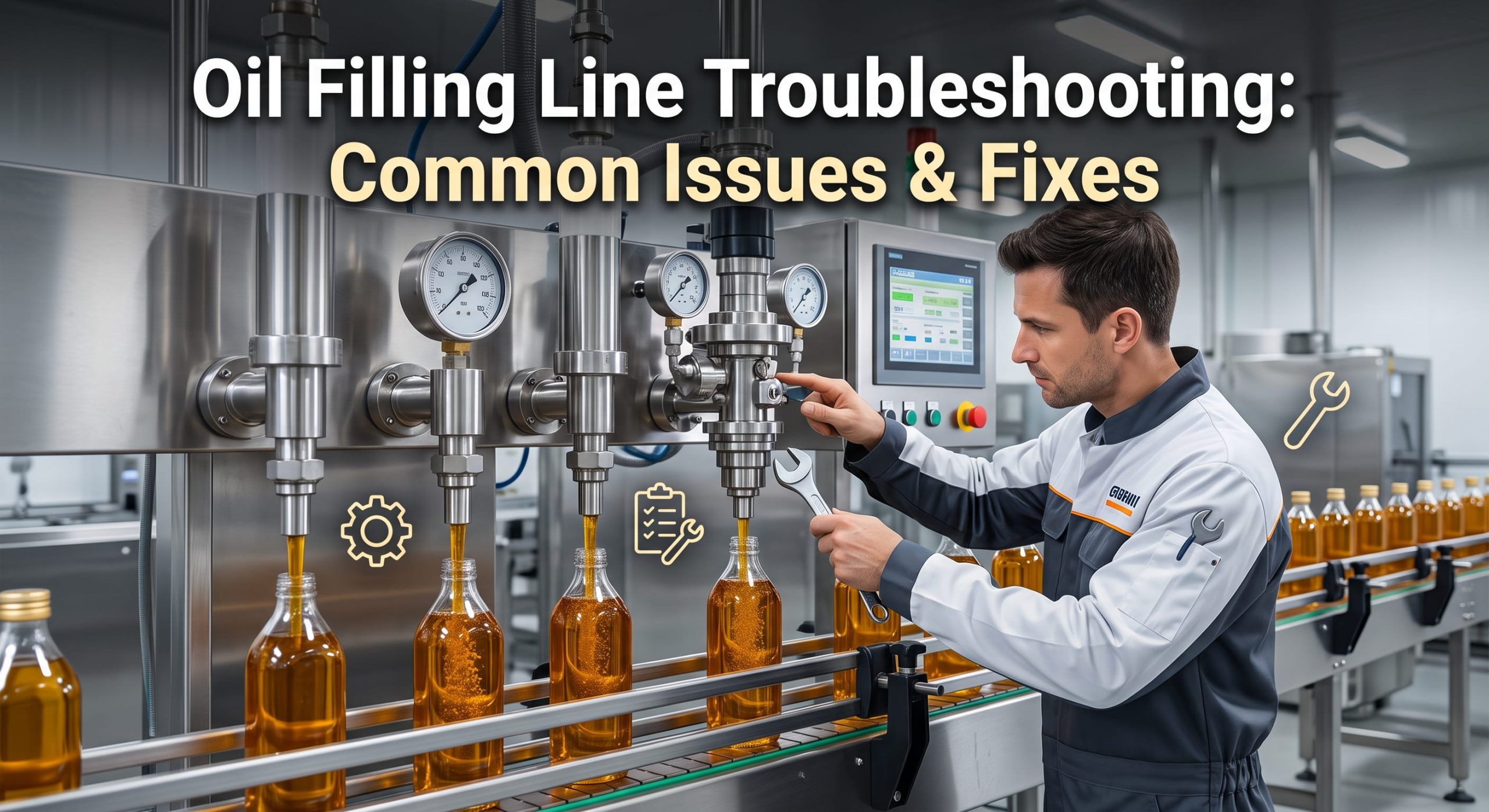
<pRegular maintenance of milk bottling machinery is essential for optimal performance. Implementing a solid maintenance routine can significantly reduce downtime, improve efficiency, and prolong the lifespan of the equipment.
Scheduled Maintenance
Establish a routine for scheduled maintenance, which may include cleaning, lubricating, inspecting, and replacing worn-out parts. Regular checks ensure that the machinery operates efficiently and meets hygiene standards vital in the dairy industry.
Employee Training
Training operators on the correct usage and maintenance of the machines helps to prevent operational errors that could lead to costly downtimes or product spoilage. Continuous training programs can contribute to employee skill enhancement and overall operational effectiveness.
Emerging Trends in Milk Bottling Machinery
As technology progresses, innovations in milk bottling machinery evolve to meet changing market dynamics. Keeping abreast of these trends is vital for producers aiming to maintain a competitive edge.
Smart Bottling Technology
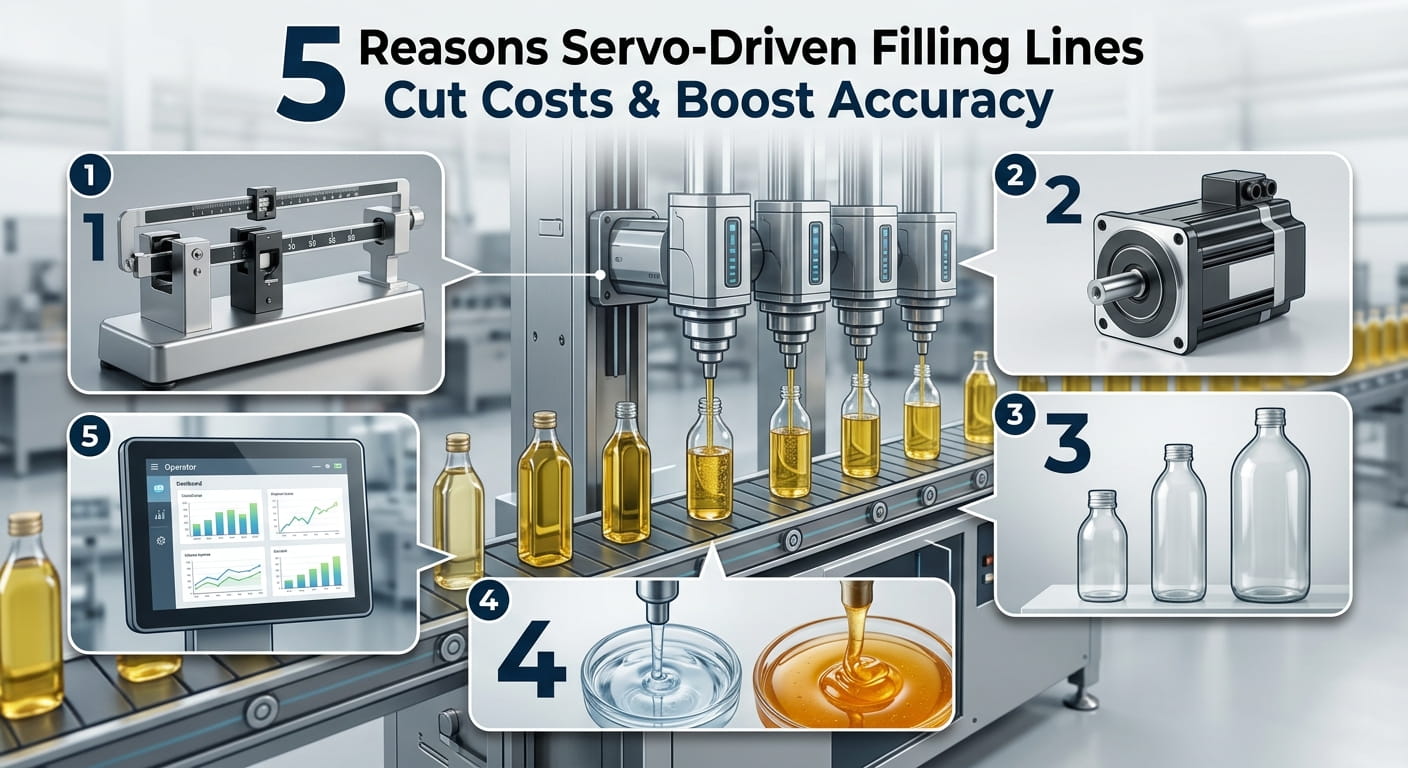
The integration of IoT (Internet of Things) devices and smart technology into bottling lines is revolutionizing the dairy industry. These advancements facilitate real-time data collection and analysis, enhancing decision-making and process optimization. Producers can monitor equipment performance, predict maintenance needs, and adjust operations based on data-driven insights, thus maximizing efficiency and reducing costs.
Eco-Friendly Bottling Solutions
With growing environmental concerns, there is a shift towards sustainable practices within the dairy sector. Companies are increasingly seeking eco-friendly materials for packaging and energy-efficient machinery. Investing in technologies that reduce waste and energy consumption not only aligns with global trends but can also enhance brand reputation among environmentally conscious consumers.
Conclusion
In conclusion, milk bottling machinery is a critical component of the dairy industry, influencing product quality, operational efficiency, and cost-effectiveness. By understanding the various types of bottling machinery available and considering essential factors in the selection process, dairy producers can significantly enhance their bottling operations. Furthermore, committing to regular maintenance and staying informed about emerging trends will ensure that businesses remain competitive in an ever-evolving market. Embracing cutting-edge technology and prioritizing sustainability will position milk producers for long-term success in this essential sector.