
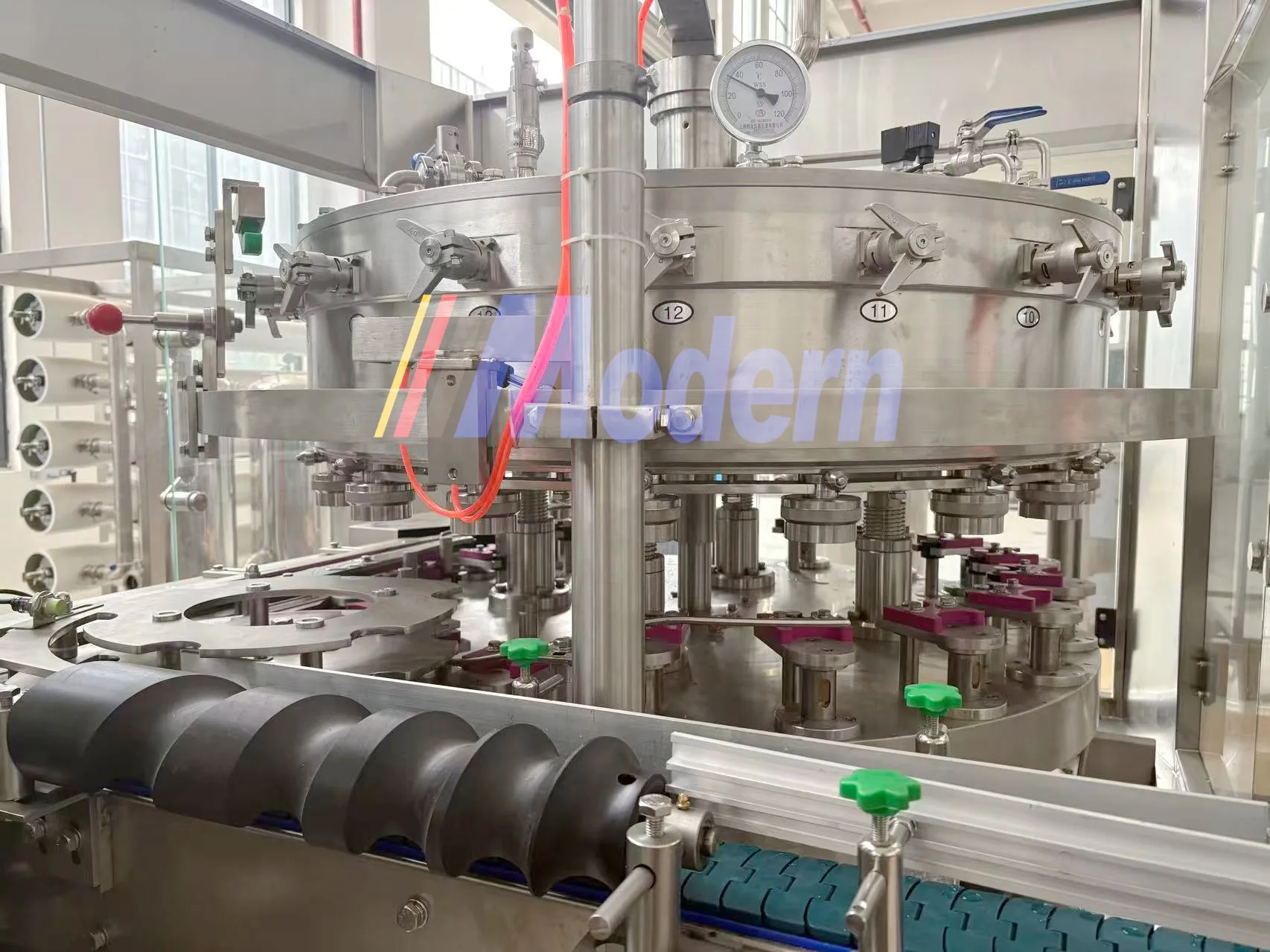
Introduction
In the realm of manufacturing, the layout of a production line plays a crucial role in determining not only the efficiency of operations but also the safety of workers. The proper arrangement of equipment, workstations, and materials can significantly impact productivity, quality, and ultimately, the bottom line of a company. This article delves into the various aspects of how the production line layout affects efficiency and safety in the industrial setting.
Benefits of Optimized Production Line Layout
Optimizing the production line layout can yield a myriad of benefits for businesses in the manufacturing sector. By strategically organizing the flow of materials and resources, companies can streamline processes, reduce waste, minimize downtime, and enhance overall productivity. Furthermore, a well-designed layout can improve worker ergonomics, reduce the risk of accidents, and create a safer working environment. Not only does this lead to higher efficiency and output but also contributes to employee satisfaction and retention.
Types of Production Line Layout
There are several types of production line layouts that companies can adopt based on their specific needs and processes. Some common layouts include:
- Product Layout: Machines and workstations are arranged in a linear sequence to facilitate the assembly of a single product.
- Process Layout: Similar machines or processes are grouped together based on functionality, allowing for flexibility in production.
- Cellular Layout: Workstations are organized into self-contained units or cells, enabling a more efficient flow of materials and reducing lead times.
- Fixed-Position Layout: The product remains stationary, and resources are brought to it for assembly or processing, ideal for large or heavy products.
Applications of Production Line Layout in Real Scenarios
The concept of production line layout is not limited to a single industry but has far-reaching applications across various sectors. From automotive assembly lines to food processing plants, the layout of production lines directly influences the efficiency and safety of operations. For instance, in a pharmaceutical manufacturing facility, a well-thought-out layout can ensure the proper segregation of critical processes, leading to compliance with stringent regulatory requirements and maintaining product integrity.
Technical Details and Operational Considerations
When designing a production line layout, several technical and operational factors must be taken into account to achieve optimal results. These include considerations such as material flow, equipment placement, workstations ergonomics, and safety measures. Understanding the principles of lean manufacturing, just-in-time production, and automation can further enhance the efficiency and effectiveness of the layout.
Best Practices and Maintenance Tips
To maximize the benefits of an optimized production line layout, it is essential to adhere to best practices and implement proper maintenance routines. Regularly reviewing and adjusting the layout based on evolving needs, conducting ergonomic assessments, and providing ongoing training to personnel are crucial aspects of maintaining a high level of efficiency and safety. Additionally, investing in modern technologies and tools for continuous improvement can help stay ahead of the competition.
Industry Trends and Insights
The manufacturing industry is witnessing rapid advancements in production line automation, digitalization, and sustainability practices. Companies are increasingly adopting smart technologies such as IoT, AI, and robotics to enhance productivity, quality, and safety. Moreover, the focus on sustainability and environmental impact is driving the development of eco-friendly production line layouts that minimize waste and energy consumption while maximizing resource utilization.
Challenges and Solutions
Despite the numerous benefits of an optimized production line layout, companies may encounter challenges in the implementation phase. Common issues include resistance to change, lack of expertise, and constraints in space or budget. By fostering a culture of continuous improvement, involving employees in decision-making processes, and seeking external expertise when needed, organizations can overcome these obstacles and achieve sustainable success.
Sustainability and Future Outlook
As the manufacturing landscape evolves, the emphasis on sustainability and efficiency in production processes grows stronger. Companies that embrace innovative production line layouts designed for minimal environmental impact, enhanced resource utilization, and worker well-being are poised to lead the industry. Investing in sustainable practices not only benefits the planet but also results in long-term cost savings and competitive advantage.
In conclusion, the impact of production line layout on efficiency and safety cannot be understated in today’s competitive manufacturing landscape. By optimizing the layout, businesses can drive operational excellence, enhance worker safety, and position themselves for sustainable growth. Understanding the intricacies of production line design, embracing technological advancements, and staying abreast of industry trends are essential for success in the global marketplace.


