
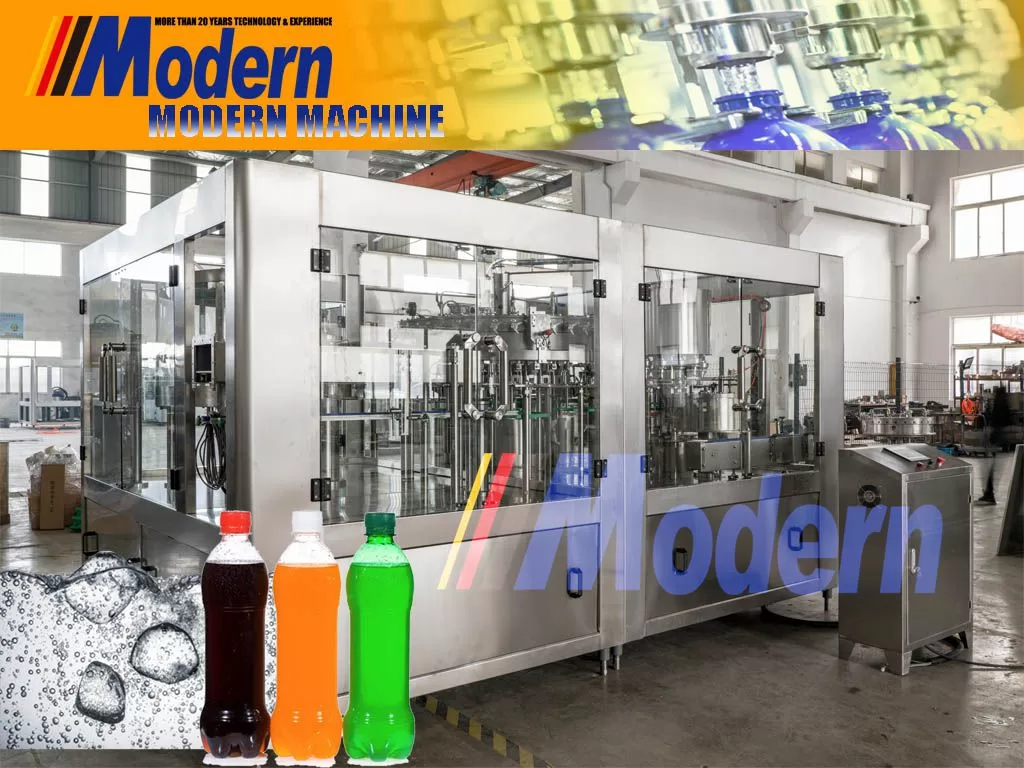
In the ever-evolving world of beverage manufacturing, the hot fill process stands out as a popular method for packaging various drinks, particularly juices, teas, and sauces. This article aims to provide a deep dive into the hot fill beverage process, exploring its significance, operational mechanics, benefits, challenges, and practical tips for implementation. By the end of this article, readers will have a well-rounded understanding of this vital manufacturing technique.
Understanding the Hot Fill Beverage Process
The hot fill beverage process involves heating the beverage to a temperature typically between 85°C and 95°C (185°F to 203°F) before filling it into containers. This thermal treatment effectively reduces the microbial load, helping to extend the shelf life of the product without the need for preservatives. Once filled, the containers are immediately sealed, which also aids in creating a vacuum seal, further preventing contamination.
The Steps of the Hot Fill Process
To better understand the hot fill beverage process, let us break down the steps involved:
- Preparation of Ingredients: Raw materials are carefully selected and prepared, involving washing, peeling, juicing, and blending, depending on the beverage.
- Heating: The prepared juice or beverage is heated to the desired temperature in a pasteurization unit. This step is crucial as it ensures microbial safety and enhances flavors.
- Filling: The hot beverage is filled into preheated containers—this minimizes cooling upon contact and prevents the risk of thermal shock.
- Sealing: Containers are sealed tightly immediately after filling to maintain the beverage’s freshness and prevent oxidation.
- Cooling: Sealed containers are then cooled down gradually, sometimes using a cold-water spray or immersion technique.
- Labeling and Distribution: Finally, cooled containers are labeled and prepared for distribution.
Benefits of Hot Filling
The hot fill beverage process provides a range of significant advantages that make it an appealing option for manufacturers:
1. Extended Shelf Life
One of the most prominent benefits of the hot fill process is its ability to prolong shelf life. By reaching high temperatures during production, microorganisms that may lead to spoilage are effectively eliminated.
2. Preservative-Free Options
Many consumers are increasingly looking for natural beverage options without preservatives. The hot fill process allows manufacturers to meet this demand, producing stable, longer-lasting products without the addition of synthetic preservatives.
3. Enhanced Flavor and Nutrient Retention
When executed properly, hot filling can enhance the flavor profile of beverages. Heating can also help in extracting the full range of flavors and nutrients from the ingredients, resulting in a more vibrant final product.
4. Vacuum Sealing
The rapid sealing process used in hot filling creates a vacuum environment within the container. This vacuum sealing minimizes the presence of air, which reduces oxidation and maintains freshness.
5. Cost-Effectiveness
Despite requiring initial investment in specialized equipment, the hot fill process can result in lower production costs in the long term. The reduced need for preservatives, longer shelf life, and minimized waste contribute to a more cost-effective operation.
Challenges and Considerations
While the hot fill beverage process offers numerous advantages, it is not without its challenges. It’s essential to consider the following points:
1. Equipment and Technology
Implementing a hot fill process requires specialized equipment, including pasteurizers, fillers, and vacuum-sealing machines. Acquiring this technology can represent a costly ground-up investment for smaller companies.
2. Quality Control
Quality control is paramount in hot filling, as the slightest variation in temperature or timing can affect the final product’s safety and quality. Ensuring proper staff training and regular equipment maintenance is crucial.
3. Container Compatibility
Not all materials are suitable for hot filling. Glass and PET (polyethylene terephthalate) are commonly used materials, while others, like cans, may not withstand the high temperatures involved. Brands should thoroughly test their packaging before full-scale production.
4. R&D and Formulation Considerations
Formulating a beverage suitable for hot filling may take research and development. Ingredients must be chosen carefully, as some may alter in flavor or texture when subjected to high temperatures.
Practical Tips for Implementation
For businesses considering the hot fill process, here are several practical strategies to ensure successful implementation:
1. Invest in Training
Ensure that your team is well-trained in the hot fill process, including an understanding of equipment operations and quality control measures. Regular training sessions can significantly minimize errors and boost productivity.
2. Optimize Formulations
Work with food scientists or beverage engineers to develop formulations that retain flavor and nutritional value after being subjected to high temperatures. Testing different ratios and ingredients can lead to a superior product.
3. Conduct Thorough Testing
Before launching a new product, conduct extensive testing to assess the stability and shelf life of your beverage. This includes accelerative shelf-life studies to predict how the beverage will perform over time.
4. Choose Appropriate Packaging
Select suitable containers that can withstand the high temperatures of the hot fill process. Considerations should include material type, capacity, and compatibility with your specific beverage. Always conduct compatibility testing.
5. Monitor Quality Consistently
Implement a robust quality management system to monitor every aspect of the hot fill process, from ingredient sourcing to packaging. Regular checks can help identify issues before they escalate, ensuring consistent product quality.
Conclusion
The hot fill beverage process is a pivotal method in the beverage manufacturing industry that enables producers to deliver safe, flavorful, and long-lasting products to market. While the process offers substantial advantages, it also encompasses specific challenges that manufacturers must navigate carefully. By investing in proper training, equipment, and quality management systems, companies can effectively leverage this method to optimize their operations and meet the growing demand for fresh, preservative-free beverages.
As consumers increasingly prioritize quality and sustainability, the hot fill process places manufacturers in an advantageous position—promoting innovation while aligning with market preferences. By following this comprehensive guide, industry professionals can successfully implement the hot fill process and enhance their product offerings in a competitive landscape.


