
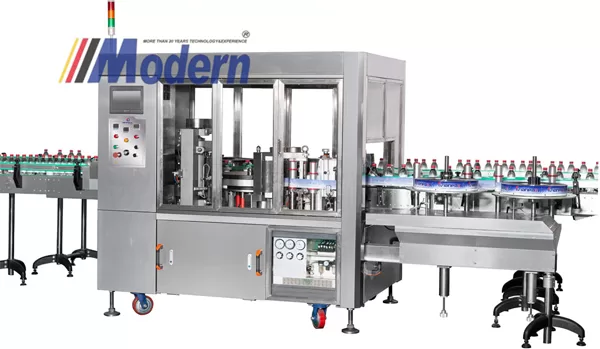
Introduction
Fully automated packaging lines represent a significant advancement in the realm of industrial automation. As the manufacturing landscape continues to evolve, the integration of cutting-edge technologies such as artificial intelligence, robotics, and IoT is reshaping the way businesses operate. In this article, we delve into the future of fully automated packaging lines, exploring their benefits, applications, technical details, market trends, challenges, and sustainability aspects.
Benefits of Fully Automated Packaging Lines
- Enhanced Efficiency: Automation streamlines packaging processes, leading to increased productivity and reduced labor costs.
- Improved Accuracy: Automated systems ensure precise packaging, reducing errors and enhancing quality control.
- Scalability: These systems can easily adapt to varying production demands, allowing for flexibility in operations.
- Cost Savings: Over time, businesses can experience cost savings due to lower operational expenses and minimized material wastage.
Types and Variations of Fully Automated Packaging Lines
There are various types of fully automated packaging lines catering to different industries and requirements. Some common variations include vertical packaging machines, horizontal flow wrappers, robotic case packers, and palletizing systems. Each type offers unique features and functions to address specific packaging needs.
Applications and Use Cases
Fully automated packaging lines find extensive use across industries such as food and beverage, pharmaceuticals, e-commerce, and logistics. These systems are employed for packaging products ranging from perishable goods to fragile items with precision and efficiency. In e-commerce fulfillment centers, automated packaging lines ensure swift order processing and on-time delivery.
Technical Details and Operational Features
At the core of fully automated packaging lines are sophisticated technologies that enable seamless operation. From automated material handling systems to integrated sensor networks for quality control, these systems leverage advanced software and hardware components to optimize packaging processes. Key operational features include real-time data monitoring, predictive maintenance capabilities, and user-friendly interfaces for efficient control.
Best Practices and Maintenance Tips
- Regularly conduct preventive maintenance to ensure optimal performance of the automated packaging line.
- Train operators on system usage and maintenance protocols to minimize downtime and maximize efficiency.
- Implement software updates and upgrades to leverage the latest features and improvements in automation technology.
Market Trends and Industry Insights
The market for fully automated packaging lines is witnessing significant growth driven by the increasing demand for advanced packaging solutions in various sectors. Innovations such as collaborative robots (cobots), smart packaging systems, and automated quality inspection tools are reshaping the industry landscape. Manufacturers are focusing on sustainability initiatives and eco-friendly packaging materials to align with global trends towards environmental conservation.
Challenges and Solutions
Despite the numerous benefits of automated packaging lines, challenges such as initial investment costs, integration complexities, and cybersecurity risks may pose hurdles for businesses. However, by partnering with experienced automation providers, adopting robust cybersecurity measures, and carefully planning system integration processes, companies can overcome these challenges and unlock the full potential of automated packaging solutions.
Sustainability and Future Outlook
With a growing emphasis on sustainability in the packaging industry, fully automated packaging lines play a crucial role in fostering green practices. By optimizing resource utilization, minimizing waste generation, and promoting energy-efficient operations, these systems contribute to a more environmentally friendly approach to packaging. Looking ahead, the future of fully automated packaging lines is poised for continued innovation, driving efficiency, sustainability, and competitiveness in the global trade landscape.
As businesses strive to stay competitive in a rapidly evolving market, the adoption of fully automated packaging lines offers a strategic advantage in enhancing operational efficiency, ensuring product quality, and meeting consumer demands with precision. Embracing the future of automation in packaging is not just a trend but a necessity for businesses looking to stay ahead in the dynamic world of international trade.


