
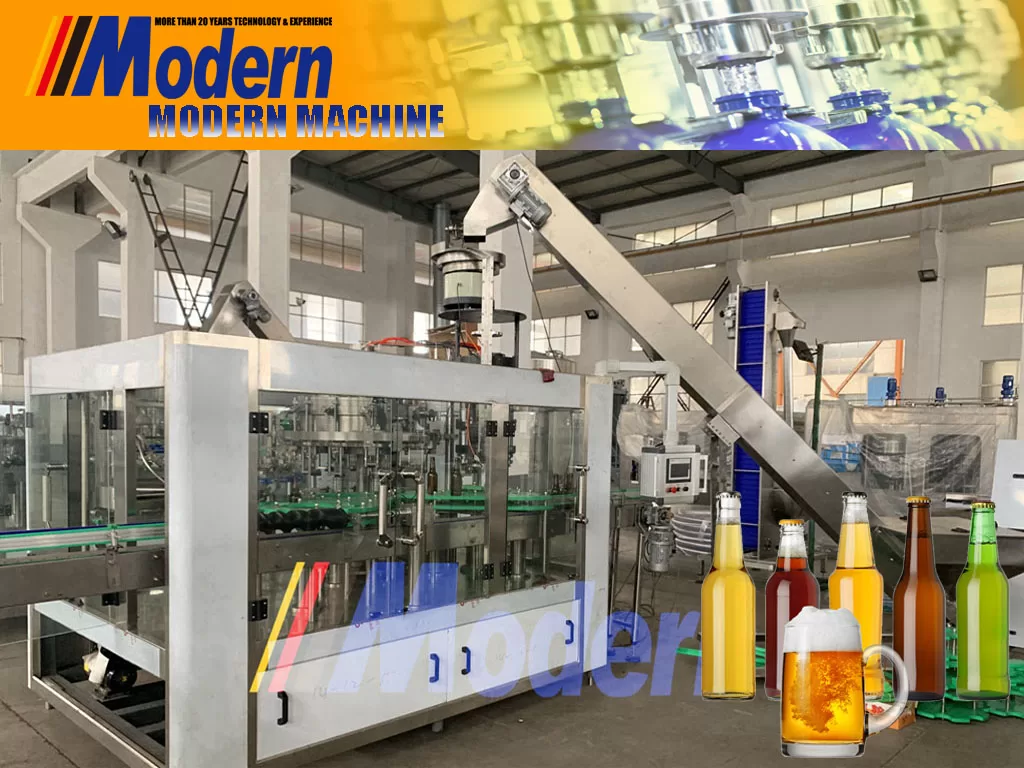
The beer industry is one of the oldest and most significant sectors in the beverage market, steeped in tradition yet continuously evolving through technology. As global demand for craft beers and large-scale brewing increases, the importance of efficient, reliable beer filling machinery cannot be overstated. This article aims to explore the latest trends, technologies, and best practices in beer filling machinery, providing practical advice for breweries looking to optimize their filling processes.
Understanding Beer Filling Machinery
At its core, beer filling machinery is designed to transfer beer from storage tanks into bottles, cans, or kegs while preserving its quality and carbonation. It operates within a broader context of brewing operations, integrating with processes like fermentation, filtration, and packaging. The machinery itself can range from manual systems suitable for small craft breweries to fully automated lines capable of handling thousands of units per hour.
Types of Beer Filling Machinery
There are several types of beer filling machines, each catering to specific market needs and production scales:
- Manual Filling Machines: Ideal for craft breweries producing small batches, these machines require minimal training and are easy to operate. They allow for flexibility but lack the efficiency and speed of automated systems.
- Semi-Automatic Filling Machines: Bridging the gap between manual and fully automated systems, semi-automatic machines reduce labor costs while maintaining some manual interventions. They often include enhancements like automatic bottle detection and filling level controls.
- Fully Automatic Filling Machines: Suitable for large-scale breweries, these machines offer high-speed operations, integrated monitoring systems, and the capability to handle various container sizes. They provide the highest level of efficiency and consistency but require significant initial investment.
The Importance of Technology in Beer Filling
Technological advancements are transforming the beer filling process. The integration of IoT (Internet of Things), AI (Artificial Intelligence), and machine learning facilitates improvements in efficiency, quality, and maintenance. Below are some notable technological innovations in beer filling machinery:
1. Automation and Robotics
Automation is one of the key trends in the beverage packaging industry. Robotic fillers significantly improve speed and precision. They minimize the risk of human error, ensuring that each container is filled to the correct level and maintains the desired carbonation. Moreover, these systems can easily switch between different container shapes and sizes, appealing to breweries that diversify their product offerings.
2. Quality Control Systems
Modern beer filling machines are equipped with real-time quality control systems that monitor parameters such as fill level, carbonation, and residual oxygen. By utilizing sensors and machine learning algorithms, these systems ensure that each bottle or can meets quality standards, which is crucial for maintaining brand reputation.
3. Predictive Maintenance
With the integration of IoT, predictive maintenance has become a game-changer in the brewing industry. By collecting data from machinery, breweries can identify potential mechanical issues before they escalate into costly downtimes. This approach not only reduces maintenance costs but also increases the overall efficiency of the production line.
Best Practices for Optimal Beer Filling
To maximize the effectiveness of beer filling machinery, breweries must adopt several best practices that enhance efficiency and product quality:
1. Regular Maintenance and Calibration
Like any piece of machinery, beer filling equipment requires regular maintenance and calibration. Scheduled inspections can help identify wear and tear that may not be immediately apparent. Ensuring that the machinery is in optimal condition helps maintain the filling accuracy and reduces the risk of contamination.
2. Train Your Staff
A well-trained staff is vital for maximizing the potential of any machinery. Regular training sessions should be conducted to familiarize employees with the equipment’s operation and maintenance. Understanding the nuances of the machinery enables quicker troubleshooting and reduces downtime.
3. Optimize Operational Workflow
Every brewery is unique, and optimizing the workflow around beer filling machinery can lead to significant efficiency gains. This involves assessing the layout of the production area, minimizing unnecessary movement of products, and streamlining the process from brewing to packaging. An efficient workflow not only speeds up production but also enhances workplace safety.
The Environmental Considerations
Environmental sustainability is increasingly becoming a focal point for breweries worldwide. Beer filling machinery plays a role in this sphere by minimizing waste and energy consumption. Innovations such as energy-efficient motors, lightweight containers, and recycling systems are contributing to greener practices.
1. Efficient Use of Resources
Investing in beer filling machines that are designed with resource efficiency in mind can lower a brewery’s environmental footprint. For example, systems that utilize reclaimed water for cleaning and cooling can drastically reduce overall water usage in the facility.
2. Packaging Innovations
Transitioning to sustainable packaging options can have positive environmental impacts. This shift may require breweries to invest in equipment that accommodates alternative materials like biodegradable containers or lighter glass, which reduces energy consumed during transportation.
Future Trends in Beer Filling Machinery
The landscape of beer filling machinery continues to evolve rapidly. Several key trends are expected to influence development in this sector:
1. Smart Technologies
The future of beer filling machinery lies in smart technology. From machine learning algorithms analyzing production data to robotic systems adapting to real-time production demands, smart technologies will enable breweries to maintain high efficiency and quality standards.
2. Increased Demand for Craft Beer
As consumer preferences shift towards craft beers, filling machinery will also adapt. This means greater flexibility in machinery design and increased sales of smaller, modular systems that can handle limited runs with various styles and flavors of beer. Such machinery allows craft breweries to respond quickly to changing customer tastes.
3. Global Market Trends
As markets around the globe become more interconnected, breweries will require machinery that can handle international compliance and diverse markets. Future beer filling machinery will likely feature enhanced capabilities for production scalability and adaptability to meet different regulatory standards across regions.
Conclusion
Investing in the right beer filling machinery is crucial for breweries aiming to optimize production, maintain quality, and remain competitive in an ever-evolving industry. By understanding the different types of filling machines, embracing technological advancements, adopting best practices, and considering environmental sustainability, breweries can position themselves for success in the future. Embracing these strategies will facilitate not only growth but also the maintenance of high standards that today’s consumers expect.


