The dairy industry plays a vital role in the global economy, providing essential products like milk, cheese, yogurt, and butter. At the heart of this industry lies the efficient processing and packaging of dairy products, with milk filling machines being a crucial component. As consumer demands continue to evolve, the significance of milk filling machine factories has expanded exponentially. This article delves into the intricate world of milk filling machines, exploring their types, technological advancements, and the operational aspects of factories that manufacture these essential devices.
Understanding the Milk Filling Machinery Landscape
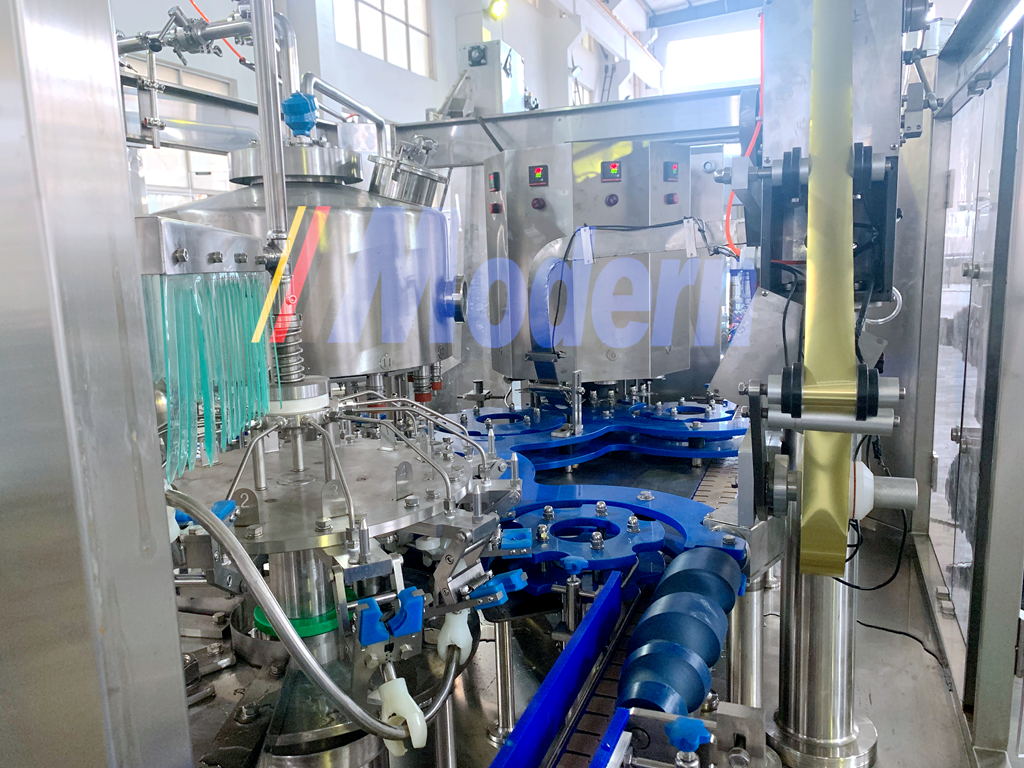
Milk filling machines are specialized devices designed for filling liquid milk into containers of varying shapes and sizes. These machines are essential for ensuring that dairy products are packaged efficiently, hygienically, and with minimal wastage. The primary aim of a milk filling machine is to maintain the quality of the milk while enhancing the productivity of the packaging process.
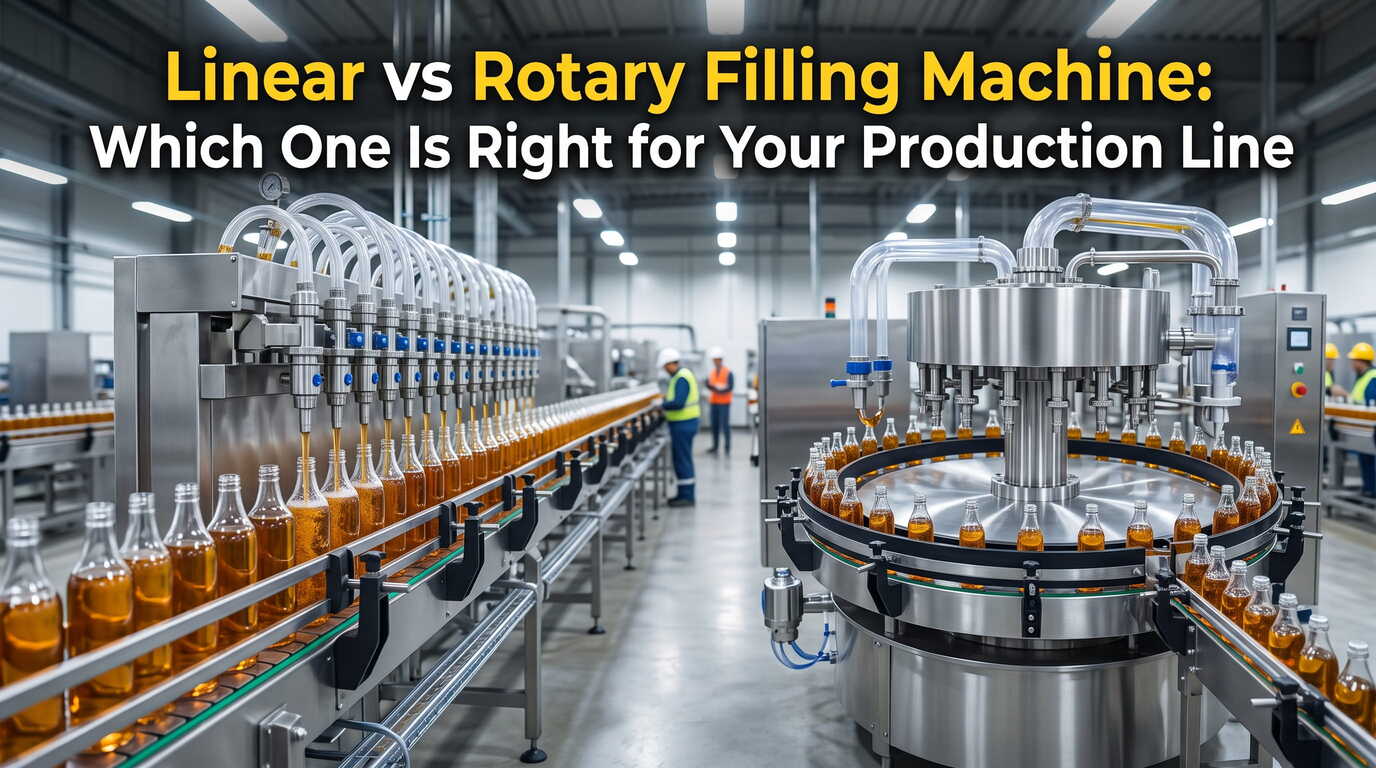
In a typical factory setting, milk filling machines operate in conjunction with other machinery, such as pasteurizers and homogenizers. This integration is vital for ensuring a seamless flow of production, minimizing downtime, and maximizing output. When considering the design and operation of a milk filling machine factory, several types of filling machines come into play, including:
- Volumetric Fillers: These machines accurately dispense a predetermined volume of milk into containers.
- Gravity Fillers: Leveraging gravity, these machines fill containers based on the height of the liquid.
- Piston Fillers: Employing a piston mechanism, these machines are ideal for thicker liquids or products with particulates.
- Aseptic Fillers: These machines are designed to fill milk into sterile containers, thereby extending product shelf life by preventing microbial growth.
The Technological Advances Shaping Milk Filling Machine Factories
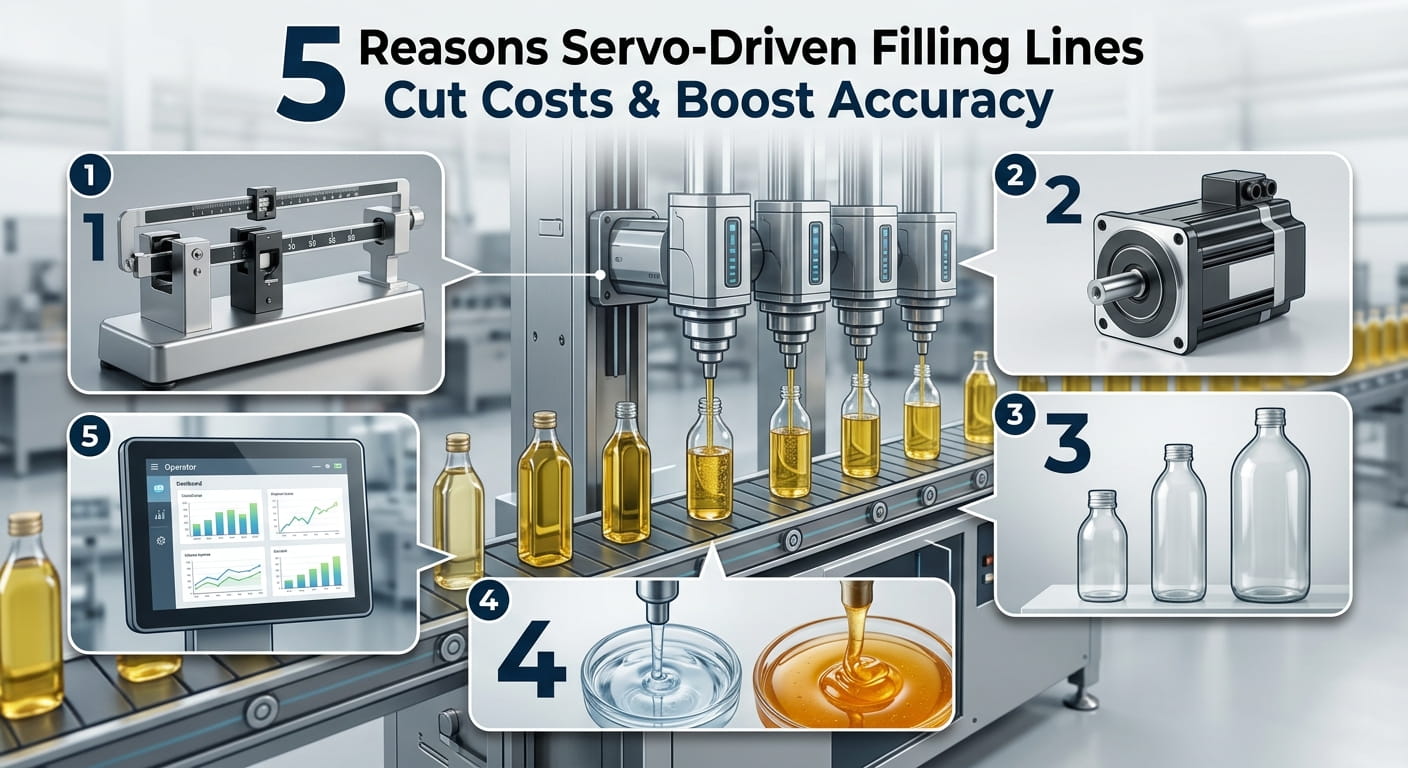
As technology advances, so does the efficiency and functionality of milk filling machines. The integration of automation and digital technologies has transformed milk filling machine factories. Today’s manufacturers leverage sophisticated software solutions, robotics, and machine learning to enhance their production processes.
Automation and Robotics
Incorporating automation into filling operations offers several benefits, including reduced labor costs, increased speed, and improved precision. Robotic arms can efficiently handle packaging and palletizing tasks, minimizing manual labor and the risk of human error. Automated guided vehicles (AGVs) are also employed in factories to transport products from one section to another, enhancing workflow and efficiency.
Smart Machinery with IoT Integration
The Internet of Things (IoT) has taken the dairy industry by storm. Smart milk filling machines equipped with IoT capabilities can monitor real-time production data, allowing for prompt adjustments in processing and maintenance. These machines can alert operators about potential issues before they escalate, ensuring that production remains uninterrupted.
Energy Efficiency and Sustainability
With growing concerns about environmental sustainability, milk filling machine factories are also focusing on energy-efficient designs. Manufacturers are adopting technologies that minimize energy consumption during production. Incorporating recyclable materials into the machines and ensuring their longevity contribute to a sustainable production process that aligns with contemporary environmental standards.
Operational Excellence in Milk Filling Machine Factories
Creating a successful milk filling machine factory requires more than just advanced machinery. It involves operational excellence across various dimensions, including quality control, workforce training, and supply chain efficiency.
Quality Control Measures
Quality control is paramount in food-related manufacturing. Milk filling machine factories must adhere to strict hygienic standards to ensure consumer safety. Regular calibration and maintenance of machinery are necessary to ensure that the filling processes are not only efficient but also compliant with health regulations.
Implementation of a robust quality management system (QMS) can aid factories in maintaining high-quality standards. This system helps in monitoring the entire production process, from raw material selection to the final product, ensuring that every step meets established criteria.
Investing in Workforce Training
The efficiency of a milk filling machine factory heavily relies on the competence of its workforce. Regular training programs are essential to ensure that employees are equipped with the skills needed to operate advanced machinery and respond to any operational challenges that may arise. Furthermore, engaging employees in continuous improvement initiatives can foster a culture of innovation and efficiency within the factory.
Streamlining Supply Chain Operations
A well-organized supply chain is a cornerstone of operational success. Milk filling machine factories need to establish strong relationships with suppliers to ensure timely delivery of raw materials like milk, packaging materials, and other essential components. Leveraging technology for inventory management can facilitate better tracking and forecasting, thereby minimizing delays.
Market Trends Influencing Milk Filling Machine Factories
As consumer preferences continue to shift, milk filling machine factories must adapt to meet evolving demands. Understanding market trends is essential for staying competitive in the dairy industry.
Preference for Sustainable Packaging
Modern consumers are increasingly favoring environmentally friendly packaging options. This trend has prompted manufacturers to explore alternative materials, such as biodegradable plastics and recyclable containers. Consequently, milk filling machine factories must invest in technologies that accommodate these materials without compromising efficiency.
Growth in Demand for Plant-Based Alternatives
The rising popularity of plant-based milk products, such as almond, soy, and oat milk, has introduced new challenges and opportunities for filling machine manufacturers. Factories must be equipped to handle varied product viscosities and ingredient formulations, necessitating versatile machinery that can cater to both dairy and non-dairy products.
Conclusion: The Future of Milk Filling Machine Factories
Milk filling machine factories hold a strategic position in the dairy supply chain, enabling manufacturers to meet both regulatory standards and consumer expectations. As technology continues to evolve, factories must embrace innovation and maintain a focus on sustainability, automation, and quality. By adopting best practices and continuously adapting to market trends, milk filling machine manufacturers can secure their place in a fast-paced and ever-changing landscape.
In conclusion, the journey of milk filling machine factories is shaped by ongoing advancements in technology and a commitment to operational excellence. By investing in smart machinery, training, and sustainable practices, these factories will not only thrive but also contribute to a safer and more efficient dairy industry, ultimately benefiting consumers worldwide.