
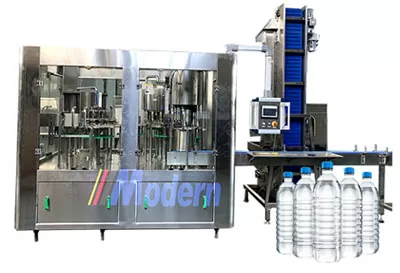
In the ever-evolving landscape of dairy production, milk bottling systems play a crucial role in ensuring product quality, safety, and efficiency. As consumer preferences shift towards fresher, more sustainable options, the technology and processes behind milk bottling have adapted to meet these demands. This article explores the various dimensions of milk bottling systems, including their historical context, technological advancements, operational considerations, and future trends.
Historical Context of Milk Bottling
The practice of bottling milk dates back to the early 19th century when milk was first sold in glass bottles. This method not only improved the shelf life of milk but also addressed public health concerns associated with milk contamination. The introduction of pasteurization in the late 1800s further revolutionized the dairy industry, allowing for safer distribution and consumption of milk. Over the decades, the transition from glass to plastic bottles, and now to more sustainable packaging options, reflects changing consumer preferences and environmental considerations.
Understanding Milk Bottling Systems
Milk bottling systems encompass a range of equipment and processes designed to package milk efficiently and hygienically. These systems typically include the following components:
1. Milk Reception and Storage
The first step in any milk bottling process is the reception of raw milk from dairy farms. This involves transporting milk to a processing facility, where it is stored in large tanks under controlled temperature conditions to maintain freshness. Advanced monitoring systems ensure that milk is kept at optimal temperatures to prevent spoilage.
2. Pasteurization
Pasteurization is a critical process that eliminates harmful bacteria from milk. Modern bottling systems often incorporate continuous pasteurization methods, such as High-Temperature Short-Time (HTST) pasteurization, which ensures that milk is heated to a specific temperature for a set duration before being cooled rapidly. This process not only enhances safety but also preserves the nutritional quality of milk.
3. Homogenization
Homogenization is another essential step that prevents cream separation and ensures a uniform texture. This process involves forcing milk through small orifices at high pressure, breaking down fat molecules and distributing them evenly throughout the liquid. The result is a smoother, creamier product that is more appealing to consumers.
4. Filling and Sealing
Once the milk has been pasteurized and homogenized, it is ready for bottling. Automated filling machines are commonly used to ensure precise measurements and reduce the risk of contamination. The sealing process is equally important, with various methods available, including screw caps, snap-on lids, and heat sealing, each offering different levels of protection and convenience.
5. Labeling and Packaging
Labeling is a vital component of the milk bottling process, providing consumers with essential information regarding nutritional content, expiration dates, and handling instructions. Modern labeling systems can print directly onto bottles or apply pre-printed labels quickly and efficiently. Sustainable packaging options, such as recyclable materials and biodegradable alternatives, are increasingly becoming standard practices in the industry.
Operational Considerations for Milk Bottling Systems
Implementing an efficient milk bottling system requires careful planning and consideration. Here are some key operational aspects to keep in mind:
1. Quality Control
Maintaining high standards of quality is paramount in the dairy industry. Regular testing of raw milk for contaminants, as well as monitoring the pasteurization and bottling processes, ensures that the final product meets safety regulations and consumer expectations. Implementing a robust quality management system can help streamline these processes and enhance overall product quality.
2. Automation and Technology
Automation has transformed milk bottling systems, improving efficiency and reducing labor costs. Advanced machinery can handle multiple stages of the bottling process, from pasteurization to filling and labeling. Furthermore, integrating Internet of Things (IoT) technology allows for real-time monitoring and data collection, enabling operators to make informed decisions and optimize production schedules.
3. Sustainability Practices
With growing concerns about environmental impact, dairy producers are increasingly focusing on sustainability. This includes adopting energy-efficient equipment, reducing water usage during processing, and implementing sustainable packaging solutions. By prioritizing eco-friendly practices, companies can appeal to environmentally conscious consumers while also reducing operational costs.
Challenges in Milk Bottling
While advancements in milk bottling systems have brought numerous benefits, several challenges persist:
1. Regulatory Compliance
The dairy industry is heavily regulated, with stringent guidelines governing every aspect of production. Staying compliant with local and international regulations can be complex and


