
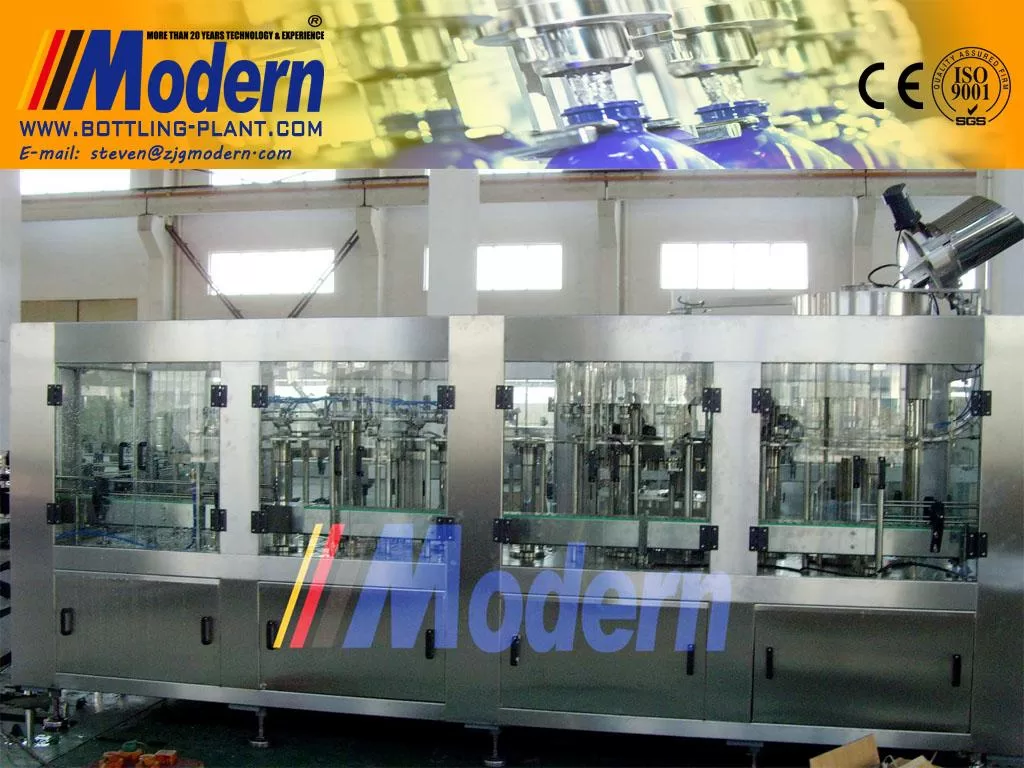
In an age where efficiency and hygiene are paramount, the significance of bottle washing, filling, and capping machines cannot be understated. These machines play a pivotal role in various industries, including food and beverage, pharmaceuticals, and cosmetics. In this article, we will delve into the evolution of these machines, their working principles, types, benefits, and tips for selecting the right system for your needs.
The Evolution of Bottle Washing, Filling, and Capping Machines
The journey of bottle washing, filling, and capping technology began with manual processes that were labor-intensive and time-consuming. Initially, workers would manually wash bottles in large buckets, filling them individually and sealing them with corks or simple caps. This approach was not only inefficient but also posed significant risks for contamination.
As the demand for bottled products surged, especially during the industrial revolution, there was a pressing need for automated solutions. The introduction of mechanical systems revolutionized the way bottles were handled. From automated bottle washers, filling systems to capping machines, these innovations drastically increased production rates, reduced labor costs, and improved hygiene standards.
Understanding the Mechanism
At the core of bottle washing, filling, and capping machines is a simple yet sophisticated mechanism designed for efficiency. Each segment can function independently or as a synchronized operation depending on the complexity of the system.
1. Bottle Washing
The first step in the process involves pre-washing or washing the bottles to ensure all contaminants are removed. This usually entails submerged or spray washing with cleaning agents and rinsing with water. Here are the various washing techniques:
- Soaking Wash: Bottles are soaked in a cleaning solution for an extended period to ensure thorough cleaning.
- Spray Wash: High-pressure jets are used to spray water and detergent, effectively removing residue.
- Ultrasonic Cleaning: This advanced method utilizes ultrasonic waves to agitate the liquid and create bubbles that penetrate into minute crevices.
2. Filling Process
Once cleaned, the system proceeds to the filling stage. The filling process can vary significantly based on the nature of the product being bottled. For instance, liquids, pastes, and powders each require specific filling technologies.
- Gravity Filling: Commonly used for thin liquids, the filler operates based on gravitational force, allowing the liquid to flow into the bottle.
- Pump Filling: Ideal for thicker liquids, a positive displacement pump fills the bottles accurately.
- Volumetric Filling: This highly precise method dispenses a set volume of liquid into each bottle, ensuring consistency across production lines.
3. Capping Process
Finally, the capping process secures the bottles for storage and distribution. There are various capping techniques which include:
- Screw Caps: Utilizes a driving head to screw the caps onto bottles, ensuring a tight fit.
- Corking: Commonly used in the wine industry, specialized corking machines insert natural or synthetic corks into the neck of the bottle.
- Snap-on Caps: This method employs a machine to place caps that securely snap onto the bottle’s neck.
Benefits of Automated Systems
Implementing bottle washing, filling, and capping machines offers a myriad of advantages that extend beyond mere production efficiency. Here are a few distinct benefits:
1. Enhanced Hygiene Standards
Automated systems drastically improve hygiene since they reduce human contact with the products. This minimizes the risk of contamination, which is particularly crucial in industries such as pharmaceuticals and food and beverage.
2. Increased Production Efficiency
These machines can operate at high speeds, filling thousands of bottles per hour, a feat nearly impossible with manual labor. This enhanced productivity can significantly boost your output and bottom line.
3. Consistency and Quality Control
Automated systems ensure uniformity in the filling process, which is vital for maintaining product quality. This level of accuracy helps maintain brand reputation and meets regulatory standards.
4. Cost Savings
Investing in a bottle washing, filling, and capping system can lead to substantial cost savings over time. While the initial investment may be considerable, the reduction in labor costs, wastage, and increased production efficiency quickly offset this expenditure.
Choosing the Right Machine for Your Needs
When it comes to selecting the appropriate bottle washing, filling, and capping machine, several factors must be taken into consideration:
1. Type of Product
The nature of the product you intend to bottle plays a crucial role in determining the suitable machine setup. Consider viscosity, pH levels, and the need for preservation, as these factors influence your choice of filling technology.
2. Production Volume
Assess your production needs carefully. A machine designed for low-volume production may not suffice for high-volume operations. Likewise, overinvesting in high-capacity machinery for a low-volume operation can lead to unnecessary costs.
3. Bottle and Cap Specifications
The dimensions and materials of your bottles and caps should also guide your decision. Ensure that the chosen machinery is compatible with both the bottle types and closures you intend to use.
4. Space and Budget Constraints
Evaluate the physical space available in your facility and the budget you have allocated for this investment. Proper planning can assist in choosing a machine that not only fits but also maximizes your operational flow.
The Future of Bottle Processing Technology
The future of bottle washing, filling, and capping technology is continually evolving, driven by innovations like IoT integration and automation. These advancements aim to increase efficiency, reduce waste, and enhance tracking and control throughout the bottling process. Emerging trends suggest a greater emphasis on sustainability, prompting manufacturers to design machines that accommodate recyclable materials, thereby catering to environmentally conscious consumers.
Conclusion
In conclusion, bottle washing, filling, and capping machines have transformed the packaging landscape, making an indelible mark across various industries. Their evolution from manual processes to sophisticated automated systems has paved the way for increased efficiency, hygiene, and product quality. By choosing the right machine for your specific needs, you can maximize your operations while adhering to industry standards. As technology advances, staying abreast of innovations will further enhance your production capabilities, ensuring that your business remains competitive in an ever-demanding marketplace.


