
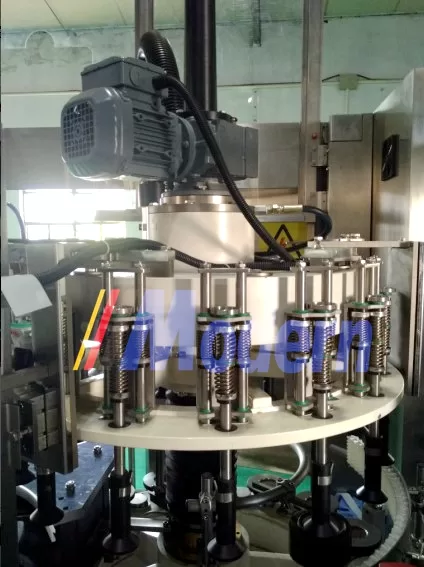
In the ever-evolving landscape of the beverage industry, efficiency and precision are paramount. As consumers demand higher quality and faster deliveries, manufacturers are increasingly turning to advanced machinery to streamline their production processes. Among these vital machines, beverage bottle filling machines play a critical role in ensuring that products reach consumers in optimal condition. This article delves into the functionality, significance, types, and technological advancements surrounding beverage bottle filling machines, offering insights that can aid businesses in making informed decisions whilst enhancing productivity.
Understanding Beverage Bottle Filling Machines
Beverage bottle filling machines are specialized equipment designed to automate the process of filling bottles with liquids such as water, juices, soft drinks, alcoholic beverages, and other consumables. Their primary function is to accurately dispense a predetermined volume of liquid into bottles, ensuring consistency, efficiency, and quality control throughout the manufacturing process.
The importance of beverage filling machines extends beyond mere automation; they are integral to maintaining product integrity and enhancing customer satisfaction. To explain their significance more thoroughly, we will explore the various types, features, and benefits of these machines.
Types of Beverage Bottle Filling Machines
Beverage bottle filling machines can be categorized based on the type of liquid they handle, the filling method, and their configuration. Here are some common types:
1. Gravity Filling Machines
Gravity filling machines utilize the force of gravity to dispense liquids into bottles. They are ideal for low-viscosity beverages like water and soft drinks. These machines are relatively simple in design and are often used in small to medium-sized production runs.
2. Pressure Filling Machines
For fizzy drinks and carbonated beverages, pressure filling machines are essential. They fill bottles under pressure to counteract the release of carbon dioxide when the liquid is poured. This ensures that carbonation levels are maintained without loss of quality.
3. Vacuum Filling Machines
Vacuum filling machines create a vacuum inside the bottle before filling. This method is particularly effective for viscous liquids, as it allows for a smooth flow without creating air bubbles. Such machines are commonly used for juices, sauces, and syrup-like beverages.
4. Pneumatic Filling Machines
Pneumatic filling machines utilize compressed air to drive the filling process. These systems are flexible and can accommodate a variety of bottling formats. They are especially effective for filling thicker liquids and can be easily adjusted for different bottle sizes.
5. Automatic vs. Semi-Automatic Filling Machines
In terms of operation, filling machines can be categorized as automatic or semi-automatic. Automatic machines require minimal human intervention, facilitating high-speed production with enhanced accuracy. Semi-automatic machines, on the other hand, may require manual operation for certain stages of the filling process.
The Importance of Beverage Bottle Filling Machines
As integral components of the bottling process, beverage bottle filling machines offer several advantages that directly impact production efficiency and product quality:
1. Enhanced Efficiency
Manual bottling is time-consuming and prone to errors. Beverage filling machines optimize the filling process, significantly reducing the time taken to fill large volumes of bottles. This increased efficiency allows manufacturers to scale production to meet rising consumer demands.
2. Consistency and Quality Control
In the beverage industry, maintaining consistency in taste, texture, and volume is vital for brand trust. Filling machines minimize human error and discrepancies, ensuring uniformity across production runs. This consistency ultimately elevates brand reputation and consumer loyalty.
3. Reduced Labor Costs
While the initial investment in fully automated filling machines may be considerable, the long-term savings in labor costs can be substantial. By reducing the number of employees required for the bottling process, manufacturers can redirect their workforce to higher-value tasks, thus improving overall operational efficiency.
4. Compliance with Safety Standards
Compliance with health and safety regulations is a critical aspect of manufacturing beverages. Automated filling machines are designed with hygiene in mind, using materials that are easy to clean and reduce contamination risks. This adherence to safety standards not only protects consumers but also shields manufacturers from legal repercussions.
Technological Advancements in Beverage Bottle Filling
The beverage industry is continuously evolving, with technological advancements improving the functionality and capabilities of filling machines. Some notable innovations include:
1. Smart Technology Integration
Today’s beverage filling machines often integrate smart technology, allowing for real-time monitoring and data collection. This capability enables manufacturers to track production metrics, identify potential issues promptly, and respond dynamically to changing market needs.
2. Artificial Intelligence and Automation
AI-driven automation is reshaping the beverage manufacturing landscape. With machine learning algorithms, filling machines can adapt to diverse production environments, optimizing settings for various bottle sizes and liquid types automatically. This flexibility enhances efficiency and reduces downtime.
3. Sustainability Features
With growing consumer awareness surrounding sustainability, many manufacturers are prioritizing eco-friendly practices. Modern beverage filling machines often incorporate features that reduce waste, such as precise filling techniques to minimize spills and recyclable materials for operations, promoting environmental stewardship.
Choosing the Right Beverage Filling Machine
When selecting a beverage filling machine, several factors need to be considered to ensure it aligns with your operational goals:
1. Production Capacity
Evaluate the volume of beverages you plan to produce. Choose machines capable of meeting and exceeding your production needs to avoid bottlenecks.
2. Type of Beverage
Different beverages require different types of filling machines. Assess the characteristics of your products—whether they are carbonated, viscous, or non-carbonated—to determine the most suitable filling technology.
3. Future Scalability
Consider future growth when choosing a filling machine. Selecting equipment that can adapt to increased production demands or additional product lines can save you money in the long run.
4. Maintenance and Support
Choosing a reliable supplier with excellent maintenance and support services is crucial. Regular servicing and access to spare parts will keep your machinery operating at peak performance.
Conclusion
Beverage bottle filling machines are vital instruments in modern manufacturing that positively influence efficiency, quality control, and responsiveness to market demands. As technology continues to advance, manufacturers must stay informed about evolving solutions and best practices to enhance their operations. By understanding the various types of filling machines, their significance in production, and how to choose the right one, businesses can position themselves for long-term success in the competitive beverage industry.


