
In today’s fast-paced manufacturing landscape, the efficiency and effectiveness of production processes have never been more crucial. Among the various technologies that have revolutionized the beverage, pharmaceutical, and chemical industries, automatic bottle filling and capping machines stand out as vital components. These machines not only enhance productivity but also elevate quality control, ensuring that products meet stringent safety and compliance regulations.
Understanding Automatic Bottle Filling and Capping Machines
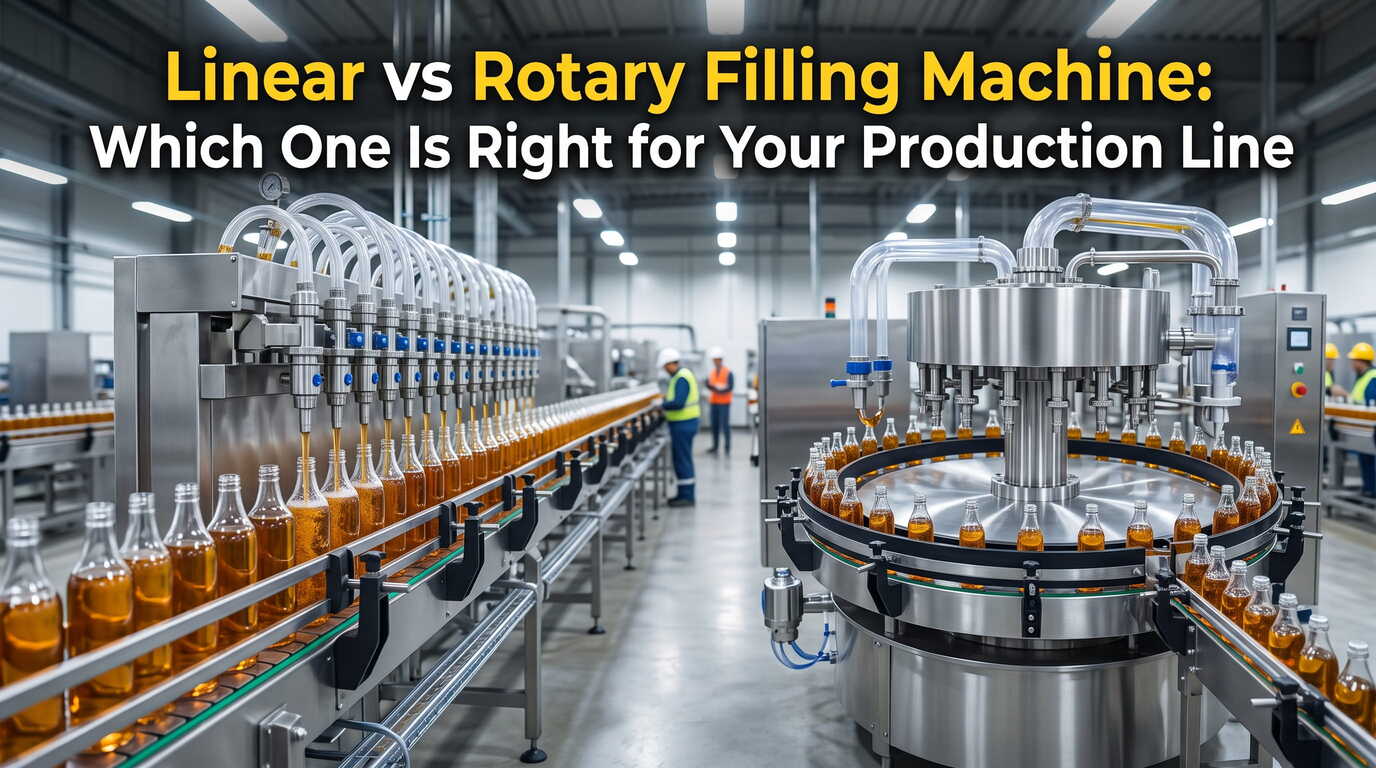
Automatic bottle filling and capping machines are advanced systems designed to streamline the packaging process for liquid-based products. These machines can fill, cap, and sometimes even label bottles at exceptionally high speeds, which reduces the bottleneck in production lines and optimizes the use of labor and resources.
The working principle of these machines typically involves several key stages, including bottle feeding, filling, capping, and output. Depending on the machine type, these stages can occur simultaneously or in a sequential manner. Utilizing sensors and programmable logic controllers (PLCs), manufacturers can customize these machines for diverse applications, accommodating various bottle shapes, sizes, and materials.
The Importance of Automation in the Packaging Industry
One of the most notable advantages of automatic bottle filling and capping machines is their contribution to automation in the packaging industry. Automation helps in reducing human error, managing costs, and accelerating production times. For businesses looking to expand their market reach, adopting automated solutions can be a competitive edge.
Cost Efficiency
Implementing automatic machines can lead to substantial cost savings over time. Although the initial investment may be significant, the reduction in labor costs and the minimization of material wastage can offset these expenses. Additionally, automated systems maintain consistent quality, which reduces the likelihood of product recalls and associated costs.
Increased Production Speed
Speed is a vital factor in any production environment. Automatic filling and capping machines can operate at several hundred bottles per minute, depending on the model. This efficiency not only increases throughput but also enables businesses to respond quickly to market demands and manage large-scale orders with ease.
Key Features of Advanced Filling and Capping Machines
When evaluating an automatic bottle filling and capping machine, certain features can significantly enhance its operational effectiveness. Here are some essential features to consider:
Adjustable Filling Volume
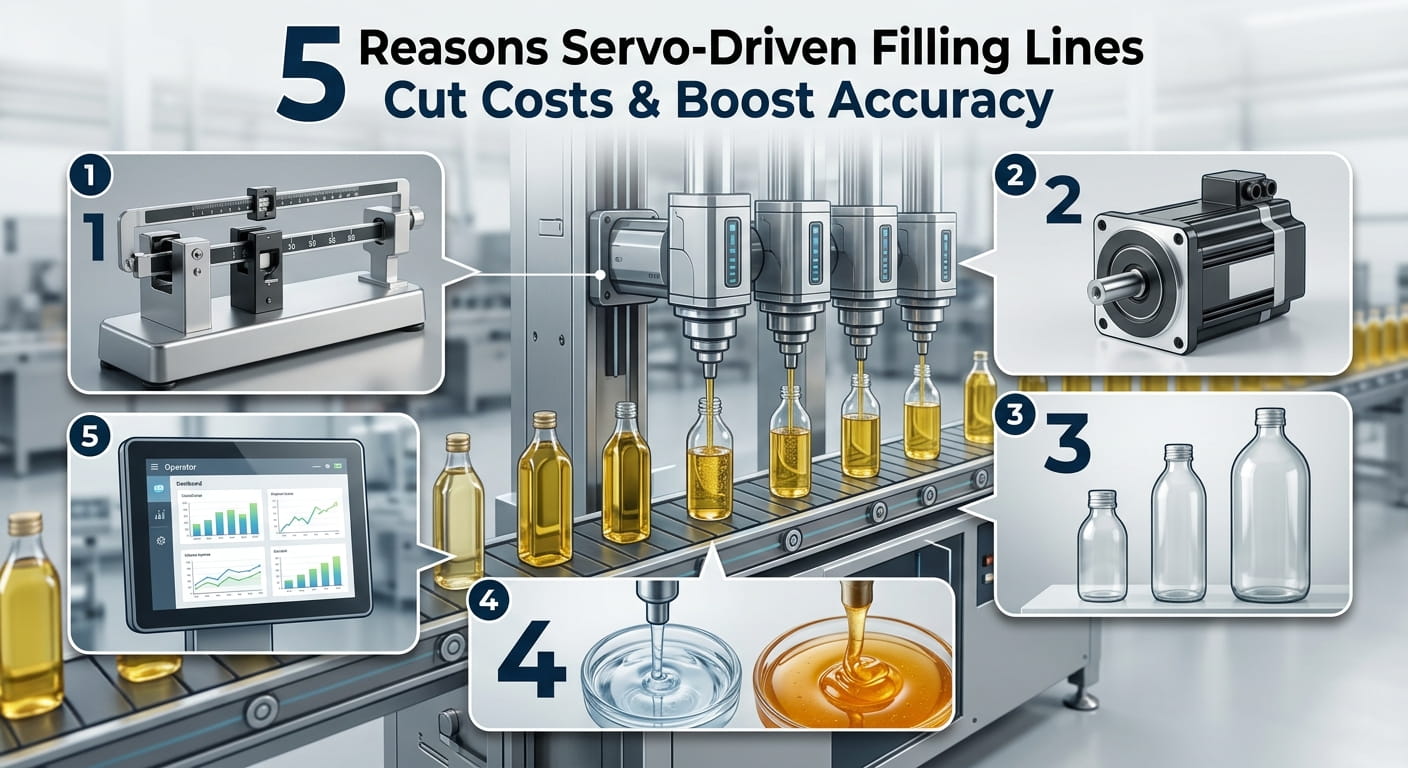
Many modern machines come equipped with adjustable filling volume capabilities, accommodating various product specifications. This feature is particularly beneficial for companies that manufacture multiple products or those who frequently introduce new items to their lineup.
Integration with Other Systems
Seamless integration with upstream and downstream systems is crucial for enhancing operational efficiency. Machines that can connect with conveyors, labeling machines, and quality assurance systems create a cohesive production environment, minimizing downtime and boosting output.
Easy Maintenance and Operation
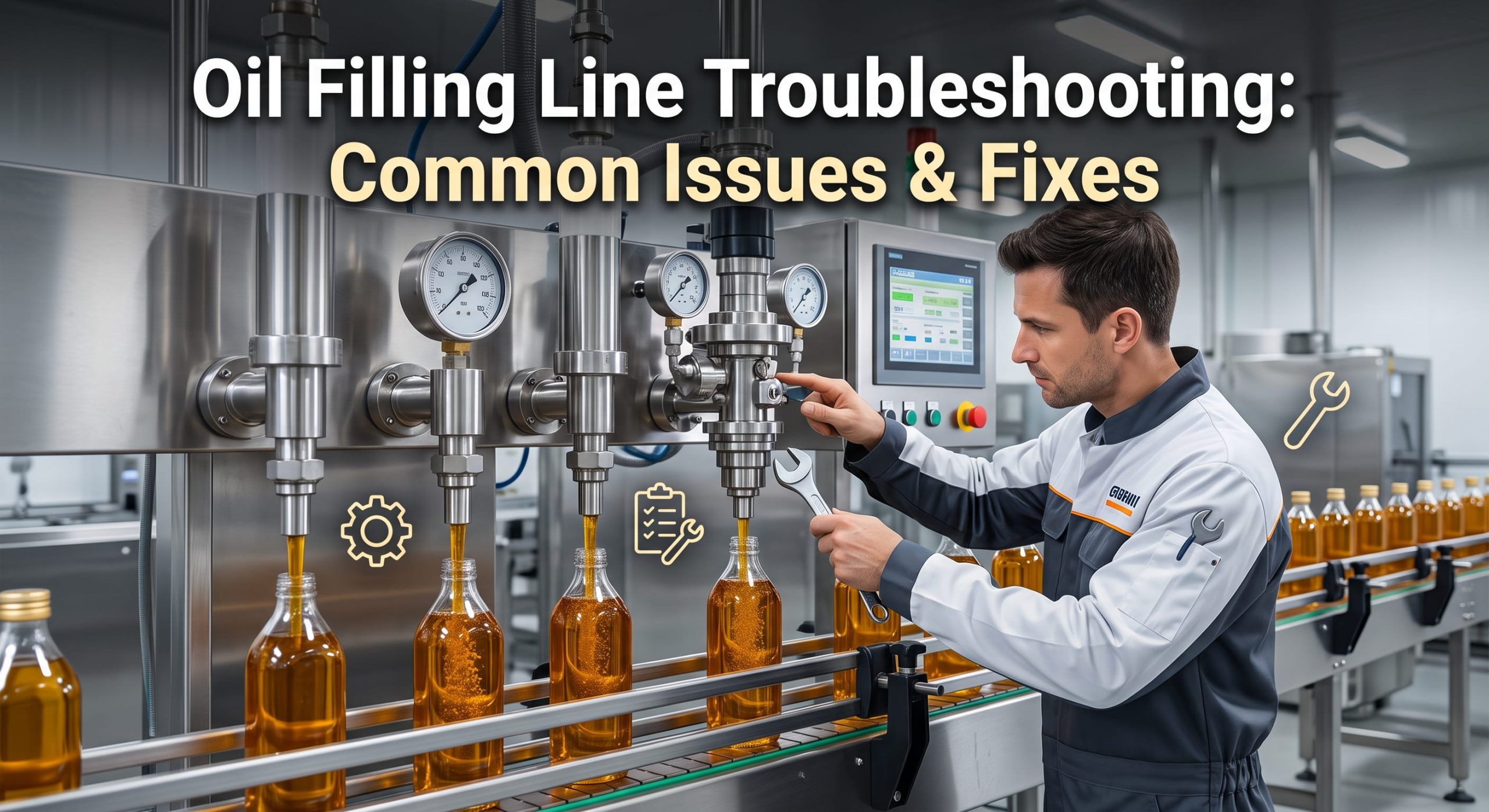
User-friendly interfaces and designs that allow for easy maintenance are paramount. Machines that enable operators to quickly clean, troubleshoot, and perform routine maintenance ensure a high level of operational continuity and reduced downtime due to maintenance-related issues.
Feedback and Monitoring Systems
Incorporating feedback systems, such as real-time monitoring of filling accuracy and capping torque, allows manufacturers to maintain quality control. Advanced machines often offer diagnostic tools that furnish valuable data, enabling proactive adjustments and immediate responses to production anomalies.
Choosing the Right Machine for Your Business
Choosing the appropriate automatic bottle filling and capping machine can be a daunting task, with a plethora of options available. Consider the following factors to make an informed decision:
Product Type
Understanding the type of liquids you wish to package is crucial. Different products have varying viscosities, with some requiring specialized filling techniques. For instance, viscous products like syrups may necessitate different filling systems (e.g., piston fillers) compared to lighter liquids (e.g., gravity fillers).
Production Volume
Your expected production volume will dictate the type of machine you need. For smaller operations that experience seasonal surges, semi-automatic machines may suffice. In contrast, medium to large-scale operations will benefit more from fully automatic systems that can handle large outputs without compromising efficiency.
Space Considerations
Evaluate your facility space and layout before making a purchase. Some automatic filling and capping machines require more room, while others are designed to maximize space efficiency. Ensure the machine fits seamlessly into your existing workflow.
Budget Constraints
Establish a clear budget before starting your search. You must balance the cost with the features that will benefit your production process the most. Remember that less expensive machines might save money initially but could result in higher operational costs over time.
Compliance and Quality Assurance
In an industry where compliance to safety and quality standards is mandatory, selecting machines that can aid in maintaining regulatory adherence is vital. Automatic bottle filling and capping machines should meet international quality standards, and have certifications that confirm their reliability and safety.
Incorporating automated quality checks such as weight checks or fill level inspections can further enhance compliance and assure consumers of the product’s authenticity and safety.
The Future of Automatic Bottle Filling and Capping Machines
As technology advances, the future of automatic bottle filling and capping machines holds significant promise. Continuing developments in artificial intelligence and machine learning will likely see these systems become smarter, leading to even greater efficiencies.
Moreover, innovations in sustainable packaging practices and materials will affect machine design, prompting manufacturers to create machines that can handle biodegradable and eco-friendly products without compromising performance.
Conclusion
In summary, automatic bottle filling and capping machines represent a crucial investment for businesses engaged in the production of liquid-based products. By embracing automation, organizations can enhance productivity, reduce operational costs, and improve product quality. Choosing the right machine necessitates understanding your product, volume needs, space considerations, and adherence to compliance standards.
As the industry continues to evolve, staying informed about technological advancements and emerging trends ensures that companies remain competitive and can capitalize on market opportunities. In a world where efficiency and quality are paramount, automatic filling and capping machines will undoubtedly play an integral role in shaping the future of production in various industries.