
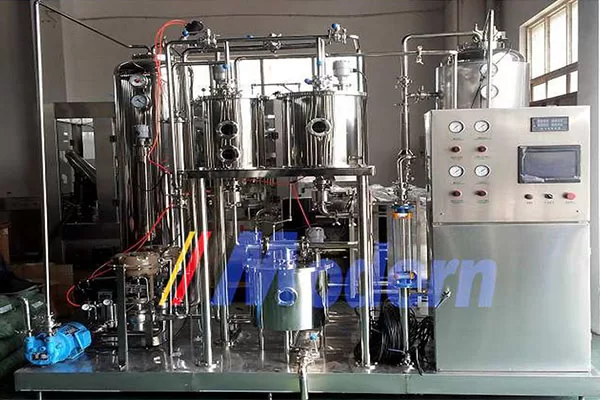
In the rapidly evolving landscape of modern manufacturing, efficiency and precision have become paramount. Among the monumental advancements that have emerged in the packaging sector, China washing, filling, and capping machines stand out as pivotal equipment for improving operational performance. These machines not only streamline processes but also adhere to high standards of hygiene and quality control.
The Importance of Washing, Filling, and Capping Machines
Washing, filling, and capping machines play a critical role in the production and packaging of liquid products, including beverages, pharmaceuticals, and chemicals. Each component of this machine works in harmony to ensure a seamless workflow, from the initial washing of containers to the final capping stage. This comprehensive approach not only enhances productivity but also mitigates the risks of contamination, thereby safeguarding product integrity.
Understanding the Components
To fully appreciate the capabilities of these machines, it’s essential to understand their individual components:
- Washing Machines: These machines are designed to thoroughly clean containers prior to filling. Utilizing advanced washing technology, they effectively remove any residual materials, dust, or contaminants that may have settled on the surfaces.
- Filling Machines: After cleaning, the containers are passed to the filling machines, which dispense the desired product into each container with precision. Factors such as the type of liquid, viscosity, and container size dictate the design and functionality of the filling machine.
- Capping Machines: The final step in the process is capping. Capping machines ensure that each container is securely sealed, preventing leaks and maintaining product freshness. The technology behind these machines varies, accommodating different types of closures and ensuring optimal integrity of the product.
Benefits of Implementing Advanced Machines
Investing in China’s washing, filling, and capping machines can yield numerous benefits for businesses of all sizes:
1. Increased Efficiency
Automation significantly enhances productivity. By integrating these machines, manufacturers can achieve higher output rates compared to manual processes. This increase in efficiency allows businesses to meet rising market demands while optimizing operational costs.
2. Enhanced Product Safety
One of the primary concerns in production is the safety of the final product. By employing washing machines, companies effectively eliminate contaminants that could compromise the product’s quality. Furthermore, advanced filling and capping technology minimizes exposure to air, reducing the risk of oxidation or spoilage.
3. Cost-Effectiveness
While the initial investment in these machines may appear substantial, the long-term savings they offer can be significant. The reduction in labor costs, coupled with decreased product waste and increased shelf life, leads to improved profit margins. Additionally, reduced downtime due to mechanical failures contributes to overall cost savings.
4. Versatility and Adaptability
Modern washing, filling, and capping machines are designed to handle a wide range of products and container types. This versatility makes it easier for businesses to pivot in response to changing market trends, accommodating different volumes and product lines without the need for extensive retooling.
Considerations When Investing in Machinery
Before investing in washing, filling, and capping machines, several factors must be considered to ensure that the chosen equipment aligns with the specific needs of the business.
1. Production Volume
Understanding your production volume is crucial when selecting machinery. High-output businesses may require larger, more advanced machines that can operate continuously, while smaller operations might benefit from more compact solutions. Assessing your current and projected production volumes enables informed decision-making.
2. Product Type
Different types of liquids require different filling techniques and equipment configurations. For instance, viscous products, like sauces or creams, may necessitate specialized filling systems, whereas thin liquids, like water or juices, could be filled using simpler machinery. Evaluating the properties of your product will guide you toward the most suitable solution.
3. Budget Constraints
Establishing a clear budget is critical. Although advanced automation can be costly upfront, it’s vital to view it as a long-term investment. Carefully reviewing potential return on investment (ROI) and calculating how quickly the machinery will pay for itself through improved efficiency and reduced labor costs will help in this evaluation.
Maintenance and Support
After acquiring the machinery, ongoing maintenance and support are crucial to ensure optimal performance and longevity. Regular upkeep prevents breakdowns and ensures compliance with safety regulations.
1. Training of Personnel
Investing in initial and ongoing training for your personnel will enhance user proficiency and minimize the chances of operational errors. Operators should be familiar with the machinery functions, error troubleshooting, and basic maintenance procedures to ensure that the machines run smoothly.
2. Scheduled Maintenance
Implementing a scheduled maintenance program is essential. Regular inspections and servicing can identify issues before they escalate, prolonging the lifespan of your equipment. Collaborating with a reliable service provider for maintenance insights can enhance equipment health.
The Future of Washing, Filling, and Capping Machines
The packaging industry continually evolves, driven by technological advancements and changing consumer demands. The future of washing, filling, and capping machines is likely to be characterized by:
1. Automation and Smart Technology
The integration of IoT (Internet of Things) and AI (Artificial Intelligence) technologies will take automation to the next level. This will allow machines to self-diagnose issues, communicate real-time data analytics, and adapt to production changes with minimal human intervention.
2. Sustainability Initiatives
With an increasing global focus on sustainability, manufacturers will prioritize environmentally friendly practices. Future machines are expected to incorporate energy-efficient systems and utilize recyclable materials in their operation, aligning with eco-conscious consumer preferences.
Conclusion
China washing, filling, and capping machines represent a crucial component of the modern manufacturing landscape. Their multifaceted roles encompass efficiency, safety, and versatility, making them indispensable assets for businesses aiming for success in competitive markets. By carefully evaluating operational needs, investing in the right machinery, and ensuring ongoing maintenance, companies can leverage these machines to enhance their production capabilities, improve product quality, and ultimately drive profitability.


