
In the rapidly evolving world of manufacturing and packaging, the washing, filling, and capping machine plays a pivotal role in ensuring product quality and operational efficiency. These machines are vital in various industries, including food and beverage, pharmaceuticals, cosmetics, and chemicals. This article will explore the importance, functionality, and future prospects of washing, filling, and capping machines, offering actionable insights for businesses considering their adoption.
Understanding the Core Processes
Washing: The First Line of Defense
The initial process in the washing, filling, and capping cycle is washing. This aspect cannot be overstated, particularly for industries that prioritize hygiene and safety, such as food and pharmaceuticals. Washing machines are designed to remove contaminants, dust, and residues from containers, ensuring that only clean products are filled. Advanced washing systems often utilize high-pressure jets and specialized detergents, minimizing human intervention and maximizing efficiency.
Moreover, the modernization of washing technologies has led to eco-friendly alternatives. For example, some machines incorporate recirculation systems that reduce water consumption, aligning with broader sustainability goals in manufacturing. When selecting a washing machine, businesses should prioritize models that offer comprehensive cleaning without compromising resource efficiency.
Filling: Precision and Accuracy
The next step in the sequence is the filling process, an area where precision is paramount. Whether dealing with liquids, powders, or granules, filling machines ensure that every container receives the appropriate amount of product. Inaccuracies can lead to significant financial losses, product waste, and customer dissatisfaction.
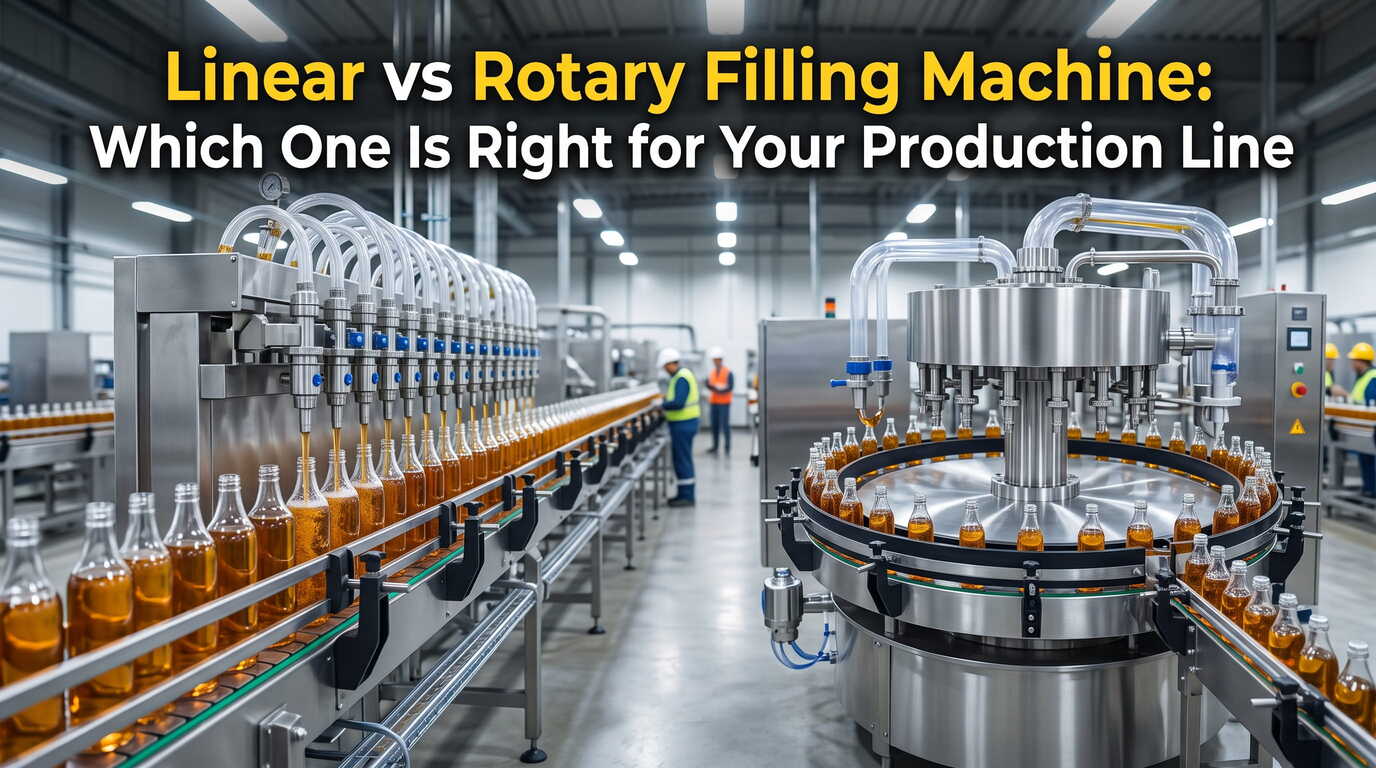
Filling machines come in various configurations, including volumetric, gravimetric, and pump filling systems. The choice of system depends largely on the product’s nature; for instance, liquids may require pump fillers, while solids might be better suited to volumetric methods. Businesses must analyze their production needs carefully and select the appropriate type of filling machine to meet regulatory standards and customer expectations.
Capping: Securing Quality and Safety
The capping process serves as the final safeguard against contamination. After filling, it is crucial to securely seal every container to preserve the product’s integrity and extend shelf life. Capping machines are designed to apply a variety of closure types, including screw caps, snap-on lids, and more specialized closures, ensuring that they meet specific industry regulations.
The technological advancements in capping machines include automation and integration with other machinery, which streamlines production lines. Automated capping systems can significantly reduce labor costs while enhancing speed and uniformity in production. Companies should explore automation opportunities in their capping processes, as this can lead to increased efficiency and reduced risk of human error.
Benefits of Integrated Systems
Investing in a complete washing, filling, and capping machine system offers numerous benefits that can profoundly impact production efficiency and quality control.
1. Enhanced Efficiency
With integrated systems, companies can achieve higher throughput due to the seamless transition between washing, filling, and capping stages. This not only reduces downtime associated with manual interventions but also optimizes labor resources, enabling manufacturers to focus on more strategic activities.
2. Consistency and Quality Control
Automated systems reduce the likelihood of human error, resulting in greater consistency in product quality. Consistent product quality is essential for maintaining customer satisfaction and adherence to safety regulations.
3. Space and Cost Savings
An integrated solution requires less floor space than operating separate machines for each function. This consolidation can lead to significant cost savings, both in terms of capital expenditure and operational costs associated with maintenance and energy consumption.
Choosing the Right Machinery
When considering the procurement of washing, filling, and capping machines, companies should conduct a thorough analysis of their production requirements and market conditions.
1. Assess Production Volume
Understanding the volume of products to be processed is critical in determining the type and scale of machinery required. For high-volume production lines, investing in high-capacity models with faster cycle times can provide a competitive edge.
2. Analyze Product Characteristics
The nature of the products affects the choice of machinery. For example, products that require careful handling or are prone to damage may need specialized filling systems. Moreover, viscosity and particulate size can influence the type of filling technology to be used.
3. Explore Technological Innovations
As technology evolves, new machines incorporate features such as artificial intelligence and machine learning for smarter operations. These innovations can optimize the operational parameters of washing, filling, and capping processes, boosting efficiency and predictive maintenance capabilities.
The Future of Washing, Filling, and Capping Machines
The landscape of manufacturing is likely to continue shifting towards greater automation and digitization. Businesses that adopt these changes early will be better positioned to respond to evolving market demands and consumer preferences.
1. Sustainability Initiatives
With increasing focus on sustainability, washing, filling, and capping machines of the future will likely incorporate greener technologies and practices. This could include machines using less energy, reduced water consumption, and more recyclable materials in their construction.
2. Customizable Solutions
As personalization becomes more prominent in consumer markets, the demand for customizable packaging options will likely influence the development of new filling and capping technologies. Flexible machines that can handle various container types and sizes will become increasingly valuable in dynamic markets.
3. Integration with Industry 4.0
The advent of Industry 4.0 has ushered in a new era of interconnected machinery. Future washing, filling, and capping machines will likely integrate with broader manufacturing execution systems, allowing for real-time monitoring, data collection, and predictive analytics. This level of integration will enable businesses to make informed decisions quickly and improve overall production efficiency.
Conclusion
The washing, filling, and capping machine remains a cornerstone of the manufacturing and packaging industries. With their crucial role in ensuring product safety, efficiency, and quality, these machines are indispensable for businesses aiming to stay competitive in today’s market. By investing in the right technology and adopting innovative practices, companies can maximize their operational efficiency and enhance their overall competitive positioning. As the industry continues to evolve, staying ahead of technological trends and consumer preferences will be key to thriving in this dynamic landscape.