
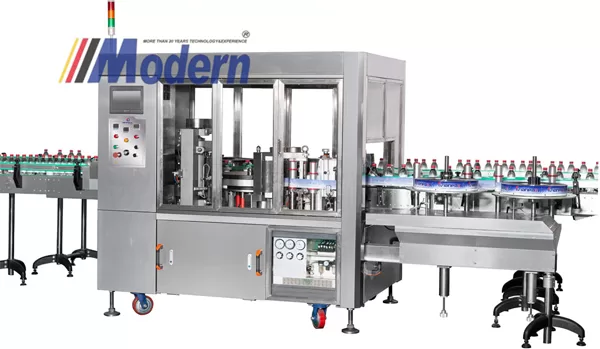
In the fast-paced world of the brewing industry, efficiency and quality control are paramount. One of the critical components that can influence a brewery’s success is the filling machine. This piece of equipment not only impacts productivity but also plays a vital role in maintaining the integrity and flavor profile of the beer. In this article, we will explore the various aspects of filling machines in breweries, providing practical insights and actionable advice for brewery operators to enhance their operations.
Understanding Different Types of Filling Machines
The first step in optimizing a brewing operation involves understanding the different types of filling machines available in the market. Breweries can choose from various filling technologies, each suited for specific types of bottles, cans, or kegs.
1. Gravity Fillers
Gravity fillers operate based on the principle of gravity. They are primarily used for filling non-carbonated beverages or those with low carbonation levels. The simplicity of this filling method makes it an ideal choice for small to medium-sized breweries. However, while gravity fillers are cost-effective, they may not be suitable for maintaining the quality and flavor of highly carbonated beverages.
2. Pressure Fillers
Pressure fillers are essential for breweries that deal with carbonated beverages. These machines utilize pressure to fill containers, ensuring the beer maintains its carbonation levels. By controlling the pressure in the filling chamber, breweries can prevent excessive foaming and ensure a precise fill volume. This technology is particularly beneficial for larger brewing operations that require consistent output without compromising on quality.
3. Vacuum Fillers
Vacuum fillers create a vacuum in the bottle or can prior to filling. This method is commonly used for highly carbonated beverages as it minimizes air exposure during the filling process. As a result, breweries can preserve the freshness and integrity of the beer, ensuring a better taste experience for consumers. Vacuum fillers are typically more complex and may come at a higher upfront cost but can save costs in the long run due to reduced spoilage and waste.
Key Features of Modern Filling Machines
When selecting a filling machine for your brewery, it is essential to consider the key features that enhance performance and flexibility. Here are some important features to look out for:
1. Automated Controls
Automated filling machines come equipped with sophisticated controls that enhance efficiency. They often operate with programmable logic controllers (PLCs) to manage the filling process seamlessly. Automation reduces the likelihood of human error, ensuring consistency in the filling volume and enabling breweries to scale operations without sacrificing quality.
2. Changeover Efficiency
In an industry driven by trends and seasonal preferences, breweries need filling machines that can adapt quickly to new product lines or package sizes. Efficient changeover mechanisms reduce downtime and allow for more flexibility in production schedules. Machines with easy adjustments and tool-less changeovers can significantly enhance productivity.
3. Hygiene and Sanitation Features
A significant consideration for any beverage manufacturer is product safety and hygiene. Modern filling machines must be easy to clean and sanitize to prevent contamination. Features like quick-release parts, smooth surfaces, and automation in cleaning cycles can help ensure that hygiene standards are met without consuming excessive labor hours.
Choosing the Right Filling Machine for Your Brewery
The choice of filling machine depends on various factors unique to each brewery. Here are some practical tips for making an informed decision:
1. Assess Production Volume
Start by evaluating your brewery’s production capacity. For small breweries, semi-automated fillers may be suitable, while larger operations may require fully automated systems. Understanding peak demand can guide your choice in selecting a machine that supports current output while allowing for future growth.
2. Plan for Versatility
Trends in consumer preferences can change rapidly, and having a filling machine that accommodates various container types (cans, bottles, or kegs) can enhance operational efficiency. Look for filling machines that offer versatile filling options and can easily switch between container formats.
3. Consider Your Space Constraints
Space in brewing facilities can often be limited. Before purchasing a filling machine, ensure that you take into account the machine’s size, as well as the necessary space for operation, maintenance, and cleaning. A well-planned layout can enhance workflow and reduce bottlenecks.
Maximizing Efficiency in Filling Operations
Once the right filling machine is in place, your focus should shift to optimizing its operation. Here are strategies to maximize efficiencies:
1. Regular Maintenance Checks
Investing in regular maintenance for your filling machine can significantly reduce malfunctions and downtime. Scheduled maintenance not only extends the lifespan of the equipment but also improves its overall efficiency. Always adhere to manufacturer recommendations and consult professional technicians for specialized maintenance tasks.
2. Staff Training
Well-trained staff are crucial for maximizing the potential of filling equipment. Ensure that your team is trained to operate the machinery, understand its features, and handle common troubleshooting issues. Regular training sessions can empower your staff, fostering a sense of ownership and pride in maintaining quality and efficiency.
3. Monitor Key Performance Indicators (KPIs)
By establishing and monitoring KPIs for your filling operations, you can easily identify areas for improvement. Common KPIs include fill volume accuracy, downtime frequency, and rate of defective products. Use this data to drive continuous improvements and make data-driven decisions regarding operations and future investments.
The Future of Filling Technology in Breweries
As technology continues to evolve, the brewery industry is also poised for significant advancements in filling machinery. The introduction of smart technologies, including IoT (Internet of Things) integration, promises better monitoring and predictive maintenance capabilities. Furthermore, environmentally-friendly filling solutions, such as reduced waste and energy-efficient systems, will become increasingly appealing as sustainability continues to drive consumer choices.
Conclusion
Filling machines play a vital role in the brewing industry, influencing productivity, product quality, and overall operational efficiency. By understanding the different types of filling machines available, selecting the right equipment, and optimizing operations, breweries can thrive in an increasingly competitive market. As the industry progresses, embracing new technologies and practices will not only enhance efficiency but also contribute to producing the best possible products for consumers. Investing in the right filling machine and strategies today will pave the way for long-term success in the ever-evolving brewing landscape.


