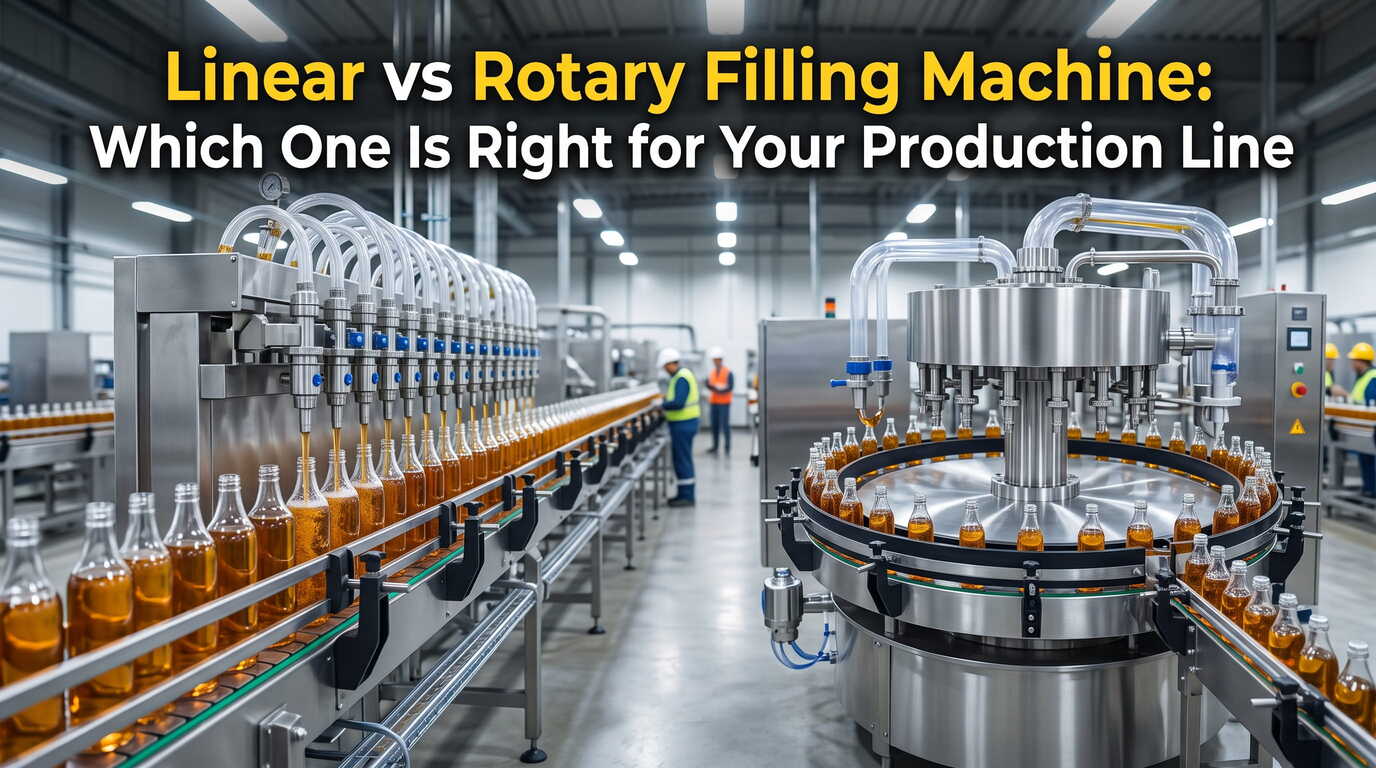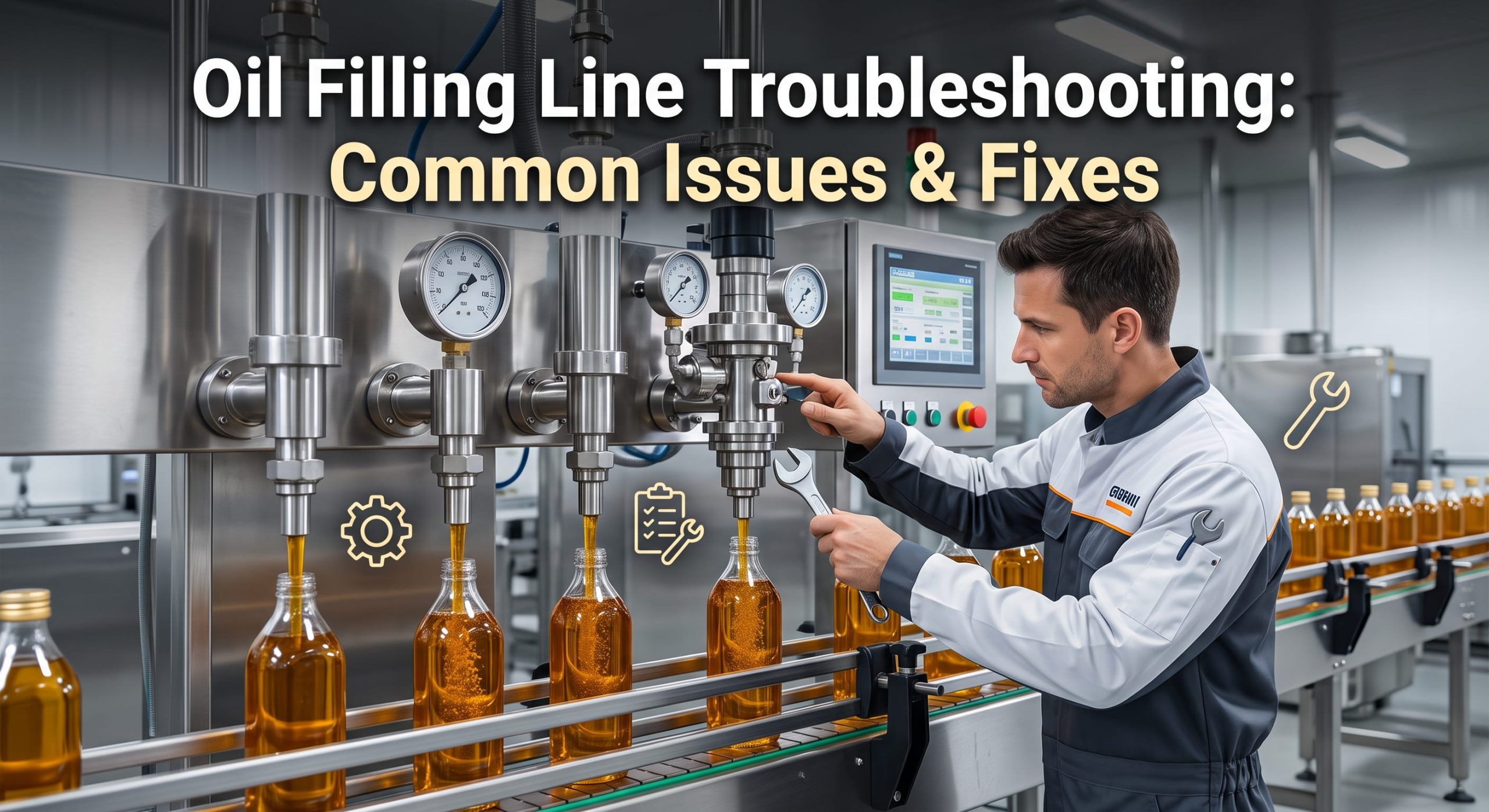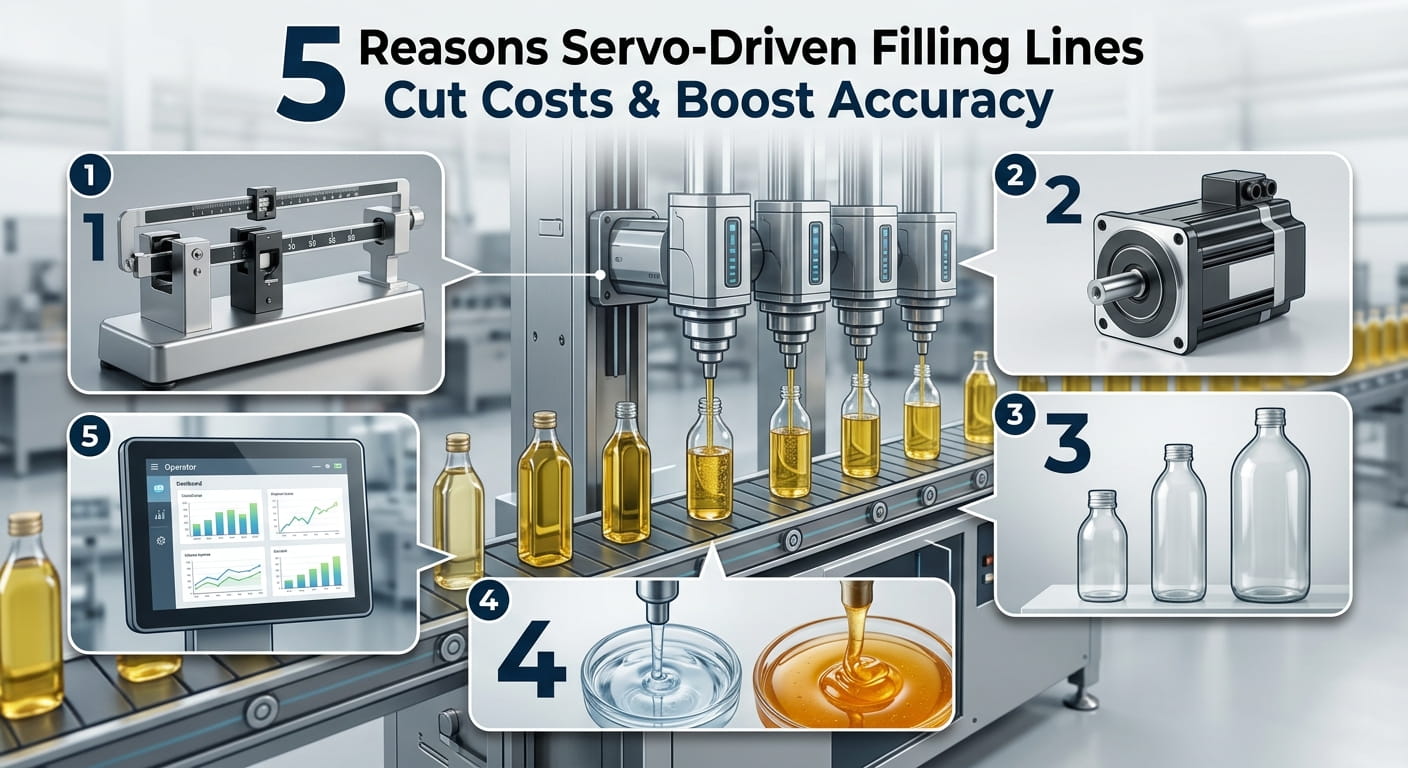

In the ever-evolving beverage industry, efficiency and innovation are paramount. Water can filling machines have emerged as vital equipment for manufacturers seeking to enhance production capacity, maintain product quality, and reduce labor costs. This article delves deep into the intricacies of water can filling machines, covering their types, advantages, selection criteria, and future trends. Along the way, we will provide actionable insights and practical advice for businesses looking to integrate these machines into their operations.
Understanding Water Can Filling Machines
Water can filling machines are specialized equipment designed for the automated filling of various sizes of containers with liquid, primarily water. The machines operate on principles of automation, precision, and efficiency, which not only accelerate the production process but also ensure that the filling is consistent and hygienic.
These machines are commonly employed in the beverage industry, particularly in bottling plants, water purification facilities, and even in agricultural settings where liquid storage is necessary. With the growing demand for bottled water and other beverages, the significance of having a reliable filling machine cannot be overstated.
Types of Water Can Filling Machines
Water can filling machines come in various forms, each suitable for different types of production environments and requirements. Below, we explore the most common types:
1. Gravity Filling Machines
Gravity filling machines utilize the force of gravity to fill containers. These systems are often suited for liquids that are non-viscous, such as water. The machine allows the product to flow into the container until it reaches a preset level. The main advantages include simplicity, lower cost, and ease of maintenance.
2. Pressure Filling Machines
Pressure filling machines are designed to fill containers under pressure, helping to prevent foaming and ensuring maximal filling speed. This type is ideal for carbonated drinks or water with added gases. They typically have higher initial costs but offer greater efficiency and speed, making them ideal for large-scale operations.
3. Vacuum Filling Machines
Vacuum filling machines employ a vacuum mechanism to draw liquid into the container. This technology is particularly useful for viscous products, although it can also be applied in water filling to minimize foam and spillage. It provides high accuracy and is excellent for maintaining product integrity.
4. Automatic Bottle and Can Filling Machines
These machines are equipped with advanced robotics and sensors to manage the filling process completely automated. They can handle various sizes of bottles and cans, providing flexibility for manufacturers that wish to diversify their product lines.
Advantages of Using Water Can Filling Machines
The integration of water can filling machines into beverage production brings numerous advantages:
1. Enhanced Efficiency
Automated filling machines significantly reduce the time taken to fill containers compared to manual methods. High-speed machines can often fill thousands of gallons per hour, which is crucial for meeting rising consumer demands.
2. Consistent Quality Control
Filling machines ensure uniformity in the filling process, minimizing human error and maintaining consistent quality. Automated machines are programmed to deliver precise volumes, ensuring every container meets specifications.
3. Cost-Effectiveness
By automating the filling process, companies can reduce labor costs and the risk of product loss. Additionally, the high-speed operations reduce overhead expenses associated with water filling, leading to greater profitability.
4. Hygiene and Safety
Automatic filling machines are designed with hygiene in mind. They often come with stainless steel components that are easy to clean and maintain. Moreover, automated systems minimize human interference, reducing the risk of contamination.
Choosing the Right Water Can Filling Machine
Selecting the appropriate water can filling machine requires careful consideration of several factors to ensure it aligns with your operational requirements:
1. Production Volume
Assess your production needs carefully. For high-demand scenarios, investing in high-speed machines is essential. Conversely, lower-volume production may benefit from simpler systems to cut costs.
2. Type of Liquid
Consider the characteristics of the liquid being filled. Non-viscous liquids can utilize gravity filling machines, while carbonated or more viscous liquids might require pressure or vacuum filling machines.
3. Container Size and Shape
The filling machine should accommodate the range of container sizes and shapes you intend to use. Some machines offer adjustable mechanisms to handle various container configurations to increase versatility.
4. Automation Level
The level of automation you select will depend on your budget and operational efficiency goals. Fully automated systems provide the highest efficiency but may come with a higher price tag, while semi-automatic systems offer more flexibility at a lower cost.
Future Trends in Water Can Filling Technology
The beverage industry is rapidly advancing, and the technology surrounding water can filling machines is no exception. Here are some emerging trends that could shape the future of filling technology:
1. Smart Technology Integration
With the rise of Industry 4.0, filling machines are increasingly incorporating IoT technology. Smart machines can provide real-time data analytics, allowing for better monitoring of production processes and maintenance needs.
2. Sustainability Practices
As companies strive for sustainability, filling machines that utilize eco-friendly practices—including reduced energy consumption and waste minimization—are becoming more critical. Manufacturers invested in the water can filling industry are likely to see an increase in demand for such environmentally friendly technologies.
3. Customization and Modular Systems
Flexibility in manufacturing processes is essential in today’s dynamic market. Filling machines are beginning to offer modular designs that allow for easy upgrades and modifications, enabling businesses to adapt to changing production requirements faster.
4. Enhanced Safety Protocols
Given the increased focus on hygiene and safety, manufacturers will likely innovate further to develop systems that ensure a higher standard of cleanliness and contamination prevention within filling processes.
Conclusion
Water can filling machines play an indispensable role in the beverage production landscape. By understanding the different types of machines, their advantages, and how to choose the right one, businesses can enhance their operational efficiency and product quality. Keeping an eye on emerging trends will enable organizations to remain competitive in an ever-dynamic industry. Investing in the right water can filling machine is not just a decision; it’s a strategic move toward future growth and success in the beverage market.