
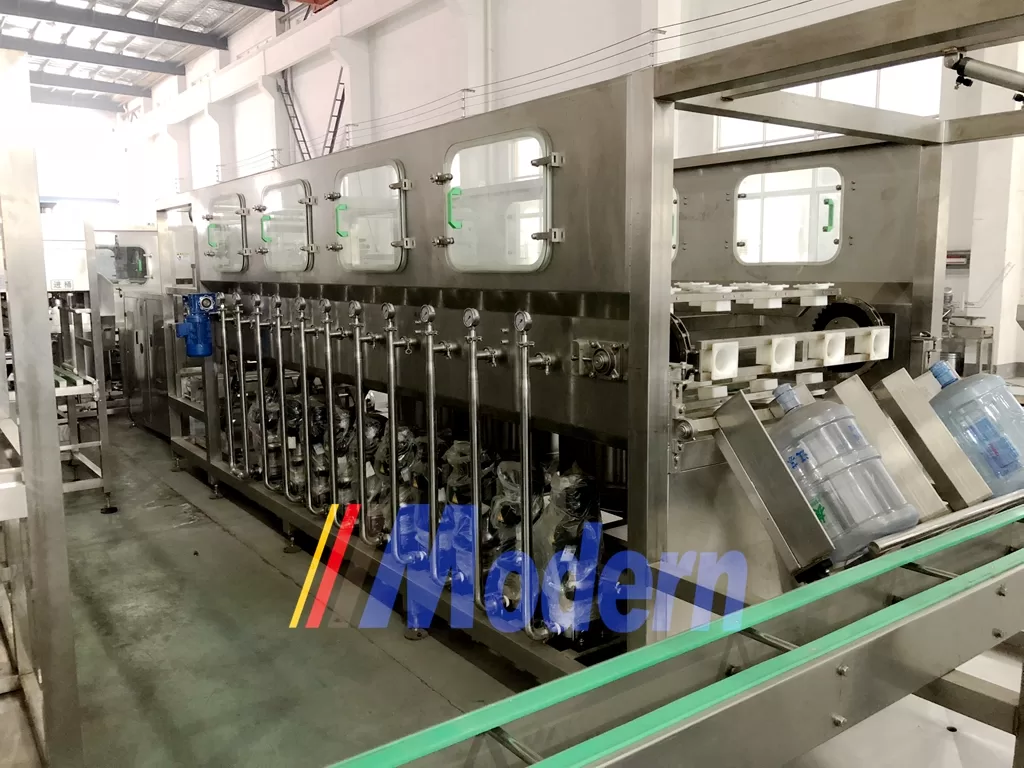
As the global focus on health and sustainability intensifies, the demand for bottled water continues to rise. Businesses are looking to capitalize on this trend by investing in efficient water filling solutions. Within this context, small water bottle filling machines have emerged as a pivotal technology. This article delves into the intricacies of small water bottle filling machines, covering their functionality, advantages, selection criteria, and maintenance considerations, all aimed at equipping entrepreneurs with actionable insights and valuable information.
Understanding Small Water Bottle Filling Machines
Small water bottle filling machines are specialized equipment designed to automate the process of filling bottled water. Typically used by small to medium-sized beverage manufacturers, these machines can enhance production efficiency, improve safety, and reduce waste. They are particularly ideal for businesses that want to offer bottled water without the large-scale output of industrial bottling plants.
How Do They Work?
The operation of small water bottle filling machines is relatively straightforward yet highly effective. At the core of their functionality lies a series of interconnected stages, which can include:
- Cleaning and Sterilization: Prior to the filling process, bottles are cleaned to ensure that they are free from contaminants. Some machines incorporate UV lamps or steam sterilization units to enhance this process.
- Filling: The heart of the machine, this stage sees the water being dispensed into each bottle. This can be accomplished using gravity, atmospheric pressure, or vacuum filling techniques, depending on the model.
- Capping: Once filled, bottles are capped to ensure they remain sealed and uncontaminated.
- Labeling and Packaging: Depending on the machine’s sophistication, it may also incorporate labeling and packaging systems, preparing the product for distribution.
Key Advantages of Using Small Water Bottle Filling Machines
Investing in a small water bottle filling machine offers numerous benefits. Here are some key advantages:
1. Efficiency and Speed
A small water bottle filling machine can significantly increase production speed compared to manual filling methods. High-capacity machines can fill hundreds of bottles per hour, allowing businesses to meet consumer demand swiftly.
2. Consistency and Reliability
Automated filling processes reduce the risk of human error, ensuring that every bottle is filled to the same level. This consistency in product quality is crucial for maintaining customer satisfaction and brand reputation.
3. Labor Cost Savings
While the initial investment in a filling machine may be substantial, the long-term savings on labor costs are undeniable. Automated systems require less human oversight, freeing employees to focus on other vital areas of the business.
4. Versatility
Many small water bottle filling machines are designed for versatility, capable of filling various bottle sizes and types. This adaptability allows businesses to respond quickly to market trends and consumer preferences.
5. Sustainability
With growing environmental concerns, many businesses are now focused on sustainable practices. Investing in energy-efficient machines can reduce the overall carbon footprint, aligning with eco-friendly business goals.
Choosing the Right Small Water Bottle Filling Machine
Not all filling machines are created equal. Here are several factors to consider when selecting a small water bottle filling machine:
1. Assess Your Production Requirements
Before making a decision, evaluate your production needs. Consider the volume of water you aim to bottle daily or weekly, the types of bottles you’ll use, and the desired fill speed. Understanding your requirements will help you choose a machine that meets your specific needs without overspending on unnecessary capabilities.
2. Quality Standards
Examine the quality standards and certifications associated with the machinery. Look for machines made from food-grade materials, which are crucial for maintaining hygiene and safety in bottled water production.
3. Technology and Features
Variety in technology means that some machines come with advanced features such as automatic control systems, touch screens, and integrated cleaning units. Assess the technology level you require. While more advanced features can enhance productivity, they also come at a higher price.
4. Ease of Maintenance
Choose a machine that allows for easy maintenance and has readily available spare parts. Regular maintenance is key to ensuring the longevity and efficiency of the equipment.
5. Cost and Return on Investment
Budgetary constraints are a reality for many businesses. However, it’s essential to view the purchase as an investment rather than a mere cost. Assess how quickly the machine can pay for itself through increased productivity and reduced labor costs.
Maintenance Tips for Small Water Bottle Filling Machines
After investing in a small water bottle filling machine, ensuring its longevity and efficiency hinges on proper maintenance. Below are some practical maintenance tips:
1. Regular Cleaning
Establish a cleaning schedule that adheres to industry hygiene standards. Regular cleaning prevents contamination risks and keeps the machine functioning properly.
2. Routine Inspections
Conduct routine inspections to look for signs of wear and tear. Early detection of issues can prevent costly repairs and downtime.
3. Lubrication
Keep all moving parts well-lubricated to reduce friction and mechanical wear. Consult the user manual for recommended lubricants and maintenance intervals.
4. Training for Operators
Properly train all personnel who will operate the machine. Understanding the functioning and nuances of the equipment will minimize the chances of operator error and ensure safety.
5. Develop a Maintenance Log
Maintain a log of all maintenance activities, including cleaning, repairs, and inspections. A detailed record can aid in diagnosing issues and streamline future maintenance tasks.
The Future of Small Water Bottle Filling Machines
As technology continues to evolve, the small water bottle filling industry is poised for transformation. Innovations like IoT connectivity and automation will further enhance production efficiency, guiding businesses toward data-driven decision-making. Additionally, with increasing emphasis on sustainability, manufacturers will likely develop more eco-friendly machines that minimize energy consumption and waste.
Conclusion
Small water bottle filling machines are essential tools for businesses looking to tap into the growing bottled water market. By understanding the complexities of these machines, evaluating specific needs, and effectively maintaining the equipment, entrepreneurs can position themselves for success in a competitive landscape. As the industry evolves, staying informed and adaptable will be paramount to harnessing the full potential of small water bottle filling solutions.


