As the craft beer industry continues to thrive, small-scale breweries and homebreweries are seeing increased demand for efficient, cost-effective bottling solutions. A small beer bottling line allows brewers to package their product seamlessly, ensuring quality while minimizing waste. In this comprehensive guide, we will explore the components, benefits, and setup of a small beer bottling line while offering practical insights to enhance your brewery’s efficiency and productivity.
Understanding the Components of a Small Beer Bottling Line
A small beer bottling line typically consists of several key components, each playing a crucial role in the bottling process. Understanding these components can help brewers make informed decisions when setting up their own bottling line.
1. Bottle Washer
The first step in the bottling process is to ensure that all bottles are clean and sanitized. A bottle washer uses a combination of hot water and cleaning chemicals to remove remnants of previous contents. Many models incorporate a rinsing station that uses ionized water to prevent spots and residues on the glass. It is essential to invest in a quality washer since contamination can spoil an entire batch.
2. Filling Machine
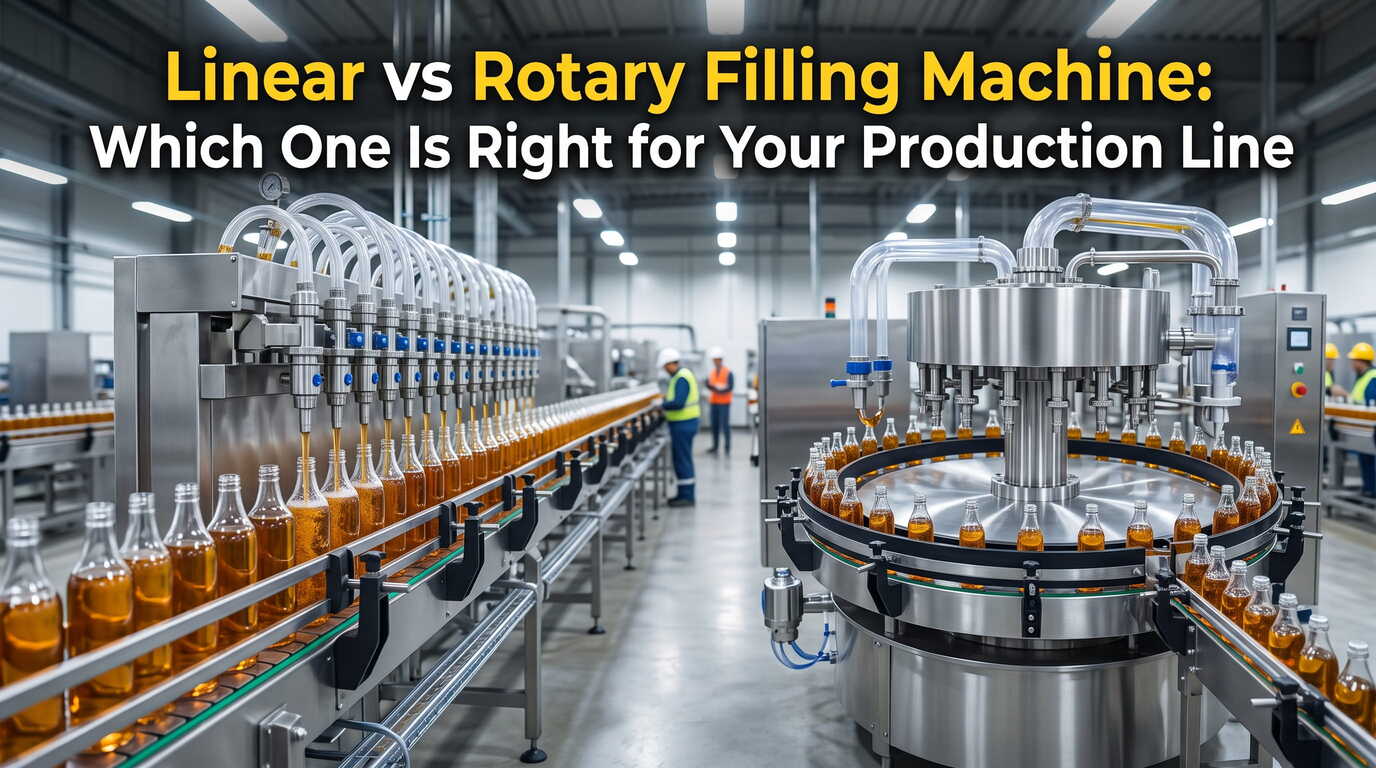
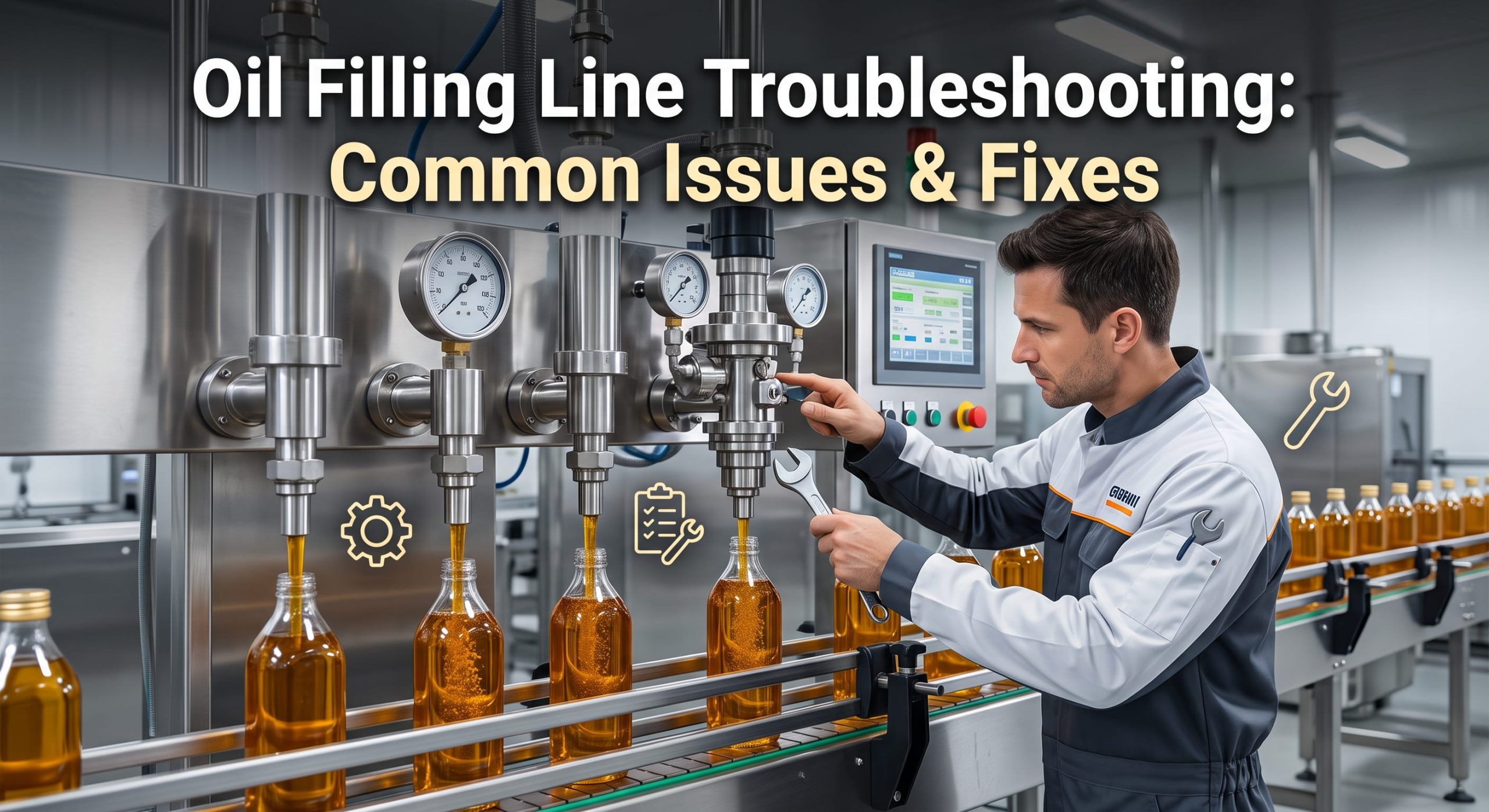
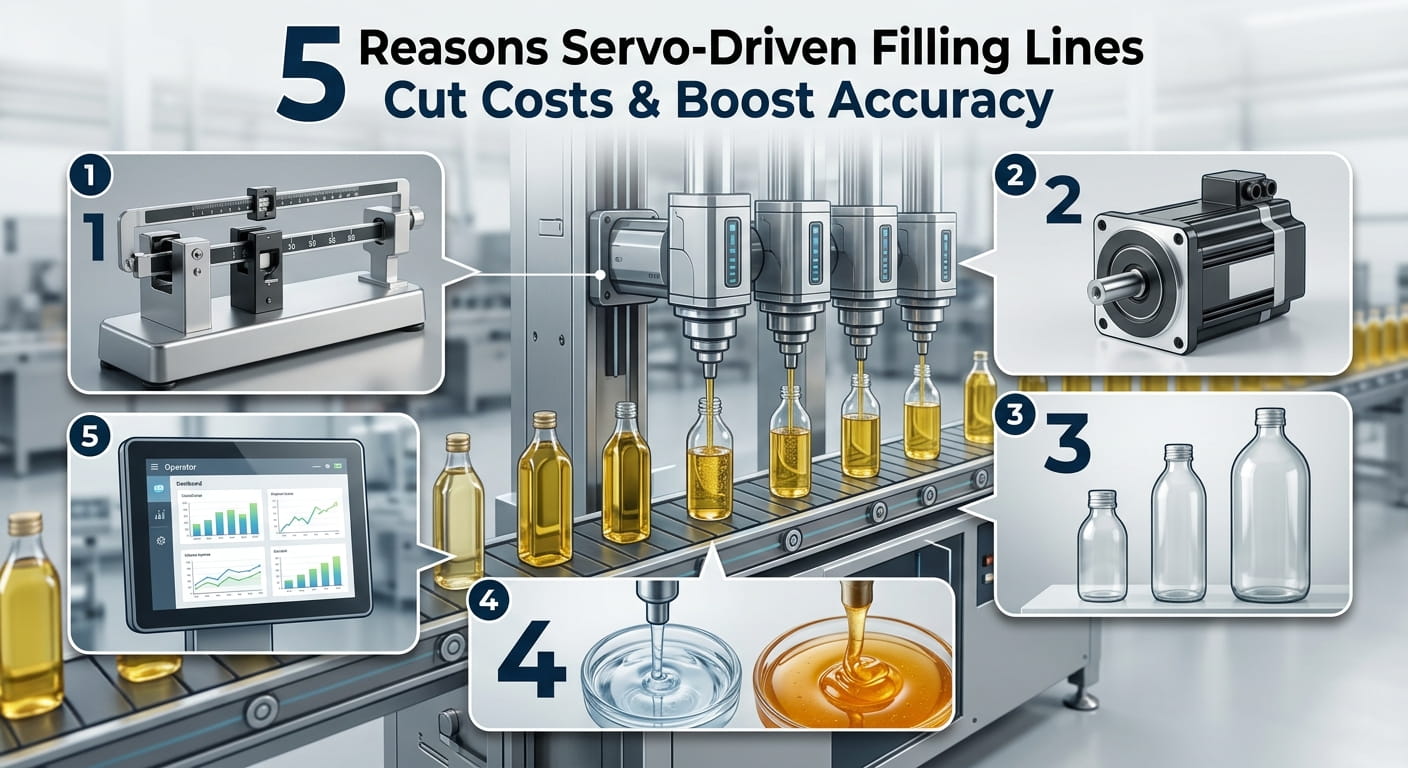
Once the bottles are clean, they move to the filling station. Filling machines come in various formats, including gravity, pressure, and vacuum systems. Gravity fillers are suitable for lower viscosity products, while pressure fillers are ideal for carbonated beverages, allowing brewers to maintain the beer’s integrity through the process. Automated filling machines can significantly increase efficiency, reducing labor costs and minimizing the risk of spillage.
3. Capping and Sealing Equipment
After filling, bottles must be sealed effectively to protect the beer from contamination and maintain carbonation. Capper machines come in manual and automatic varieties, with options to seal with crown caps, corks, or other materials. It is crucial to choose a capping system that suits the type of bottles and caps used in your brewery.
4. Labeling Machine
Labeling plays a monumental role in marketing and compliance; thus, investing in a reliable labeling machine is advisable. There are various types of labeling systems, including front and back labelers, wrap-around labelers, and shrink sleeve labelers. Choose the one that best fits your bottle type and your design preferences. Consider printing labels in-house or utilizing a third-party service for unique branding solutions.
5. Quality Control Stations
To ensure a consistent product, integrate quality control checks at various points in the bottling line. This can include measuring fill levels, inspecting seals and labels, and conducting taste tests. Implementing effective quality control measures helps maintain high standards and fosters customer trust.
Benefits of Implementing a Small Beer Bottling Line
Setting up a small beer bottling line comes with numerous advantages for indie breweries. Below we outline some of the key benefits.
1. Increased Production Efficiency
Automating your bottling process can greatly enhance efficiency, allowing your team to focus on brewing and improving recipes rather than spending significant time on manual bottling. This increase in throughput means you can meet demand without compromising quality.
2. Cost-Effectiveness
While the initial investment in a bottling line may seem daunting, the long-term savings can be substantial. By reducing labor costs and minimizing product loss due to spillage or contamination, you can improve your bottom line. Additionally, efficient bottling systems can provide better shelf life for your products, reducing waste due to expired or spoiled beer.
3. Customization and Branding Opportunities
With a high-quality bottling line, breweries can experiment with a variety of bottle shapes and sizes, enabling creative branding opportunities. Customized labeling and packaging attract customers and help differentiate your beer from the competition. Today’s consumers appreciate artisanal products and are willing to pay a premium for unique offerings.
4. Consistency in Product Quality
Investing in reliable bottling machinery ensures a standardized and consistent product. This consistency is pivotal in building a loyal customer base. Consumers expect the same taste and flavor profile with every purchase, and efficient bottling minimizes variations.
Setting Up Your Small Beer Bottling Line
Now that we understand the core components and benefits, let’s explore how to set up a small beer bottling line effectively.
1. Assess Your Production Needs
Before embarking on your bottling line journey, consider your current production levels and projected growth. This will help you determine the size and type of equipment you need. Invest in machinery that can scale with your business to accommodate future increases in demand.
2. Space and Layout Considerations
Design an efficient layout that ensures a smooth workflow. Ensure adequate space between each component of the bottling line for staff movement and equipment maintenance. An optimized layout not only enhances efficiency but also reduces the chance of contamination.
3. Choose the Right Equipment
When selecting bottling line equipment, prioritize quality and reliability. Research different suppliers, read reviews, and possibly consider used equipment. Much like brewing, investing in quality machinery is vital for delivering a superior product to the market.
4. Train Your Staff
Once your bottling line is set up, ensure your staff undergoes comprehensive training. Educate them on how to operate each machine and the importance of quality control. A knowledgeable team can identify small issues before they escalate, preserving both product integrity and efficiency.
5. Continuous Improvement
Finally, treat your bottling line as a living system that requires regular assessment and improvement. Solicit feedback from your team and look for ways to enhance efficiency. Keeping abreast of industry trends and technological advances will help ensure your bottling practices remain competitive.
Conclusion
In conclusion, establishing a small beer bottling line is a vital step for any brewery aiming to maximize efficiency, enhance product quality, and propel growth in the competitive craft beer market. By investing in the right equipment, focusing on efficient processes, and committing to staff training, you can create a bottling line that effectively meets your operational needs while satisfying consumer demand. With thoughtful implementation and continuous improvement, your small beer bottling line can become a cornerstone of your brewing success.