
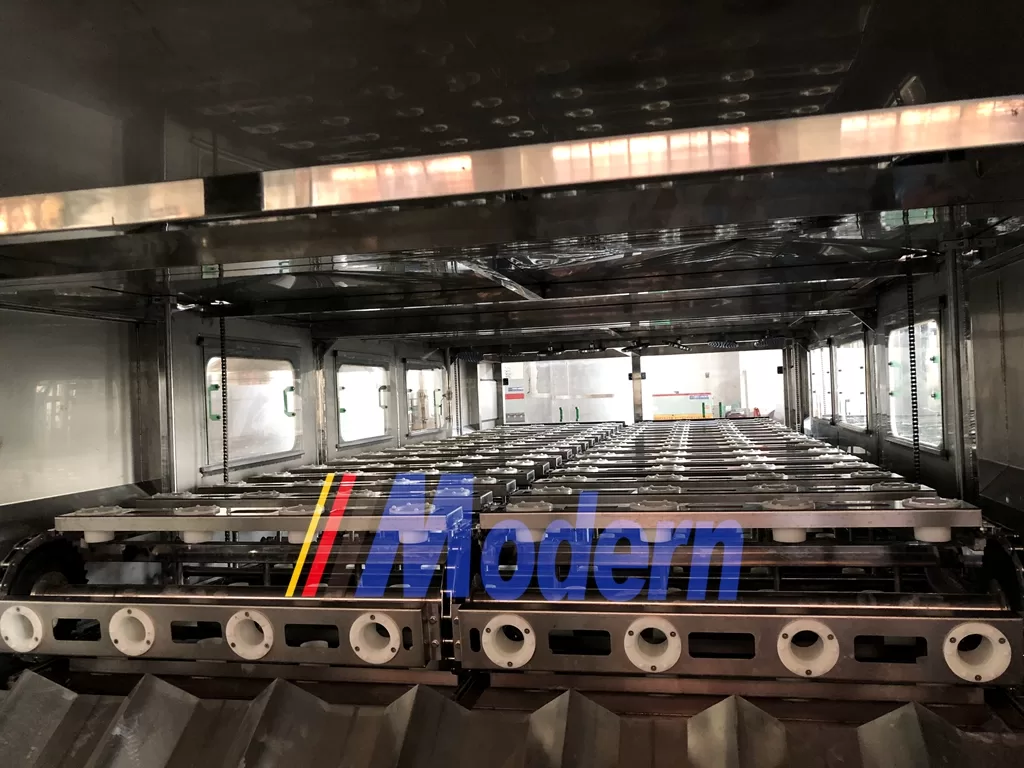
In today’s highly regulated industries, the demand for pure water is on the rise. Whether for beverage production, pharmaceuticals, or critical manufacturing processes, the ability to fill containers with pure water efficiently and reliably is paramount. This article will delve into the world of pure water filling equipment, examining the technology, applications, benefits, and considerations for businesses looking to invest in this essential machinery.
Understanding Pure Water Filling Equipment
Pure water filling equipment is designed to fill various types of containers with purified water, ensuring that the integrity and quality of the water are maintained throughout the process. This specialized equipment typically consists of several components: filtration systems, filling machines, capping units, and sterilization technology. The complexity of these systems varies based on production requirements, container types, and the scale of the operation.
Types of Pure Water Filling Equipment
When it comes to pure water filling equipment, there are several types suited for different applications:
- Gravity Filling Machines: Often used for non-carbonated beverages, these machines operate by allowing gravity to pull water into the container. They are suitable for less viscous liquids but may not provide the high-speed filling necessary for larger operations.
- Vacuum Filling Machines: Utilizing a vacuum to draw water into the container, these machines are ideal for thicker liquids or products that need to minimize air exposure. However, vacuum filling is not as common for pure water filling applications.
- Piston Fillers: Piston filling machines enable accurate filling volumes and are highly effective for products requiring precise quantities. Their flexibility in filling various container sizes makes them a popular choice.
- Counter Pressure Fillers: Best suited for carbonated beverages or products sensitive to pressure changes, these machines maintain product integrity during filling by equalizing pressure in the container and filler.
Applications of Pure Water Filling Equipment
The applications of pure water filling equipment are extensive, given the versatility of pure water in various industries. Here are some key areas of application:
Beverage Industry
The beverage industry is one of the largest consumers of pure water filling equipment. Bottled water brands require high standards of purity and reliability in their filling processes. Automation in production lines not only increases speed but also ensures compliance with health regulations.
Pharmaceuticals
In pharmaceutical manufacturing, the integrity and purity of water are crucial for product safety. Pure water filling equipment must adhere to stringent regulatory standards, such as those set by the FDA and WHO. Here, the focus is on minimizing contamination and ensuring sterile filling processes, even integrating double washing and sterilization procedures as necessary.
Food Processing
Other food processing applications, such as sauces and beverages, require quality pure water filling equipment to maintain hygienic standards without compromising product quality. The equipment may incorporate enhanced cleaning systems and traceability features to meet regulatory standards.
Benefits of Investing in Pure Water Filling Equipment
Investing in high-quality pure water filling equipment comes with numerous advantages that can significantly impact an organization’s efficiency and bottom line:
1. Increased Production Efficiency
Modern filling equipment is designed for rapid operation, significantly improving production times. Automated systems reduce dependence on manual labor, allowing for a consistent and steady flow of operations which directly contributes to higher output rates.
2. Consistent Quality Control
Advanced machines come equipped with sensors and controls that monitor various filling parameters, ensuring each container is filled to the correct level and that water quality remains uncompromised. This consistency is vital, especially in industries with strict regulatory standards.
3. Reduced Waste
Improving the precision of filling processes minimizes spillage and overfilling, leading to reduced waste of both water and packaging materials. This not only lowers operational costs but also aligns with environmental sustainability goals.
4. Compliance with Regulations
In highly regulated environments, compliance with health and safety standards is a necessity. Quality filling equipment can meet these requirements, providing peace of mind and protecting the business from potential legal issues or recalls.
Choosing the Right Pure Water Filling Equipment
Selecting the right pure water filling equipment involves assessing various factors specific to your business needs. Here are some essential considerations:
1. Production Volume
Estimate your production needs. Larger operations may require high-speed, automatic fillers, while smaller facilities might find semi-automatic or manual systems sufficient.
2. Container Types
Consider the types of containers you will be using—bottles, jugs, or bags—as this affects the machinery design and functionality you may need.
3. Space Availability
The layout of your production facility is also crucial. Ensure that the equipment you choose fits within your existing space without hampering workflow.
4. Maintenance Requirements
Lastly, consider ease of maintenance and availability of technical support. Robust equipment often requires less frequent downtime for repairs, but user-friendly machines simplify routine maintenance, keeping operations smooth.
Future Trends in Pure Water Filling Technology
As the industry evolves, the technology behind pure water filling equipment is also advancing. Some trends to watch for include:
1. Enhanced Automation
The trend towards more automated systems is likely to continue, with equipment designed for greater efficiency and lower labor costs. Integrating IoT technology can facilitate real-time monitoring and data collection for better operational control.
2. Sustainable Practices
With increasing awareness around sustainability, manufacturers are developing equipment that reduces water and energy consumption, uses recyclable materials, and reduces waste. This aligns with global efforts towards environmental responsibility.
3. Customization
More businesses are seeking custom solutions tailored to their unique processing needs. Equipment manufacturers that offer customizable features will flourish as they cater to specific operational requirements.
Conclusion
Pure water filling equipment is an indispensable asset for businesses producing beverages, pharmaceuticals, and other products requiring stringent quality assurance. By understanding the types, applications, benefits, and future trends of this equipment, companies can make informed decisions that align with their operational goals. The right investment in technology can lead to increased efficiency, consistent product quality, and enhanced safety compliance, all of which are fundamental to maintaining a competitive edge in today’s marketplace.
Whether you are upgrading existing equipment or investing in a new production line, understanding the nuances of pure water filling machines will empower you to maximize your investment and ensure compliance with industry standards.


