
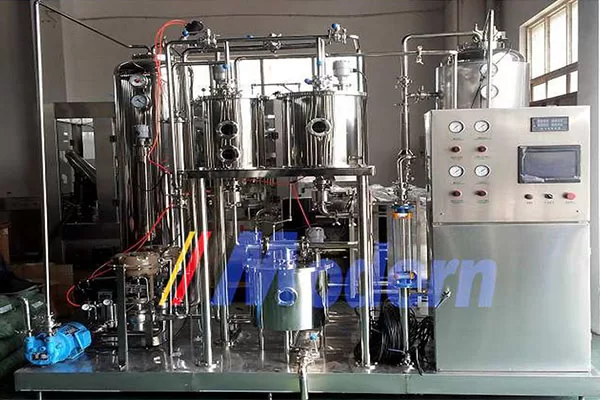
In the ever-evolving landscape of manufacturing, non-carbonated liquid filling machines play a crucial role across various industries such as beverage, food, pharmaceutical, and cosmetics. These machines offer efficiency, precision, and versatility, which are vital for businesses looking to enhance their production capabilities. This article delves into the intricate world of non-carbonated liquid filling machine factories, offering valuable insights, practical advice, and a comprehensive understanding of the key factors involved in choosing the right equipment and supplier.
Understanding Non-Carbonated Liquid Filling Machines
Non-carbonated liquid filling machines are specialized equipment designed to fill containers with liquids such as juices, sauces, oils, and other non-aerated products. Unlike their carbonated counterparts, which require additional mechanisms to manage pressure, non-carbonated filling machines focus primarily on delivering an accurate volume of product with minimal waste.
These machines can vary in design and functionality, but most share common components, including:
- Filling Mechanism: This could be gravimetric, volumetric, or flow-meter based, depending on the required precision and application.
- Conveyor System: An integral part of the setup, facilitating the movement of containers through the filling process.
- Capping Unit: Ensures that after filling, containers are securely sealed to prevent spillage and contamination.
- Cleansing Stations: Important for maintaining hygiene, particularly in industries like pharmaceuticals and food.
The Importance of Choosing the Right Factory
When it comes to investing in a non-carbonated liquid filling machine, partnering with the right factory is crucial. A reputable manufacturer will not only provide quality machines but also offer after-sales support, which is essential for maintaining operational efficiency. Consider the following factors while evaluating factories:
1. Industry Experience
Experience matters. Look for manufacturers with a significant track record in producing liquid filling machines. An experienced factory will possess comprehensive knowledge of industry standards and regulations, ensuring that the equipment meets compliance requirements.
2. Manufacturing Capability
A modern factory should utilize advanced technologies, such as automation and robotics, to streamline production processes. Investigate their manufacturing capabilities, including assembly lines, quality control processes, and testing facilities, to ensure that they can meet your production demands.
3. Customization Options
Every business has unique needs. A factory that offers customization options for its machines can provide a significant competitive edge. Assess whether they can tailor the machine specifications, such as filling volume, speed, and configuration, to suit your specific requirements.
4. After-Sales Support and Service
Reliable after-sales support is critical for minimizing downtime. Choose a factory that provides comprehensive customer support, from installation to troubleshooting and maintenance services. This ensures that any issues can be swiftly resolved, keeping your operations running smoothly.
5. Client Testimonials and Case Studies
Researching client testimonials and case studies can provide insight into a factory’s reputation and reliability. Positive feedback from other businesses in your industry can affirm that the manufacturer delivers on its promises and produces high-quality machines.
Key Features to Look for in Non-Carbonated Liquid Filling Machines
When evaluating different non-carbonated liquid filling machines, consider the following features to ensure you are investing in a high-quality product:
1. Accuracy and Precision
Filling accuracy is paramount, particularly in industries where precise measurements are critical. Machines should be capable of consistently delivering the exact volume of product without overfilling or underfilling. Look for machines equipped with advanced volumetric technology for optimal precision.
2. Speed and Efficiency
Production speed directly affects your overall output and profitability. Non-carbonated liquid filling machines should be capable of high-speed operations without compromising quality. Assess the machine’s filling rate per minute, as well as its efficiency during peak production times.
3. Flexibility and Versatility
A versatile machine can handle various liquid types and packaging formats. Ensure that the chosen equipment can accommodate different container sizes, shapes, and materials. This flexibility can significantly enhance your production process and enable you to respond to changing market demands.
4. Hygiene Compliance
For industries like food and pharmaceuticals, hygiene is non-negotiable. Non-carbonated filling machines should be designed for easy cleaning and maintenance. Look for features that promote hygiene, such as removable parts and stainless-steel construction.
5. Energy Efficiency
With the rising costs of energy, investing in energy-efficient machines can save significantly on operational costs. Research into technologies that minimize power consumption while maintaining the same level of performance should be a priority.
The Future of Non-Carbonated Liquid Filling Technology
The future of non-carbonated liquid filling technology is poised to witness remarkable advancements. With the growing demand for automation and smart manufacturing, new innovations are likely to emerge, such as:
1. Artificial Intelligence and Machine Learning
Integration of AI and machine learning can revolutionize the filling process. These technologies could optimize filling parameters based on real-time data, allowing for enhanced accuracy, efficiency, and reduced wastage.
2. IoT-Enabled Machines
The Internet of Things (IoT) enables machines to be interconnected and communicate with systems for real-time monitoring and diagnostics. IoT-enabled non-carbonated liquid filling machines can streamline production processes while offering predictive maintenance capabilities.
3. Sustainable Practices
As environmental concerns continue to rise, sustainable manufacturing practices will gain importance. Factories focusing on eco-friendly production methods, including energy monitoring and waste reduction techniques, will likely lead the way in future machine designs.
Conclusion
Investing in a non-carbonated liquid filling machine is a significant step for businesses aiming to enhance productivity and operational efficiency. Choosing the right factory, understanding the key features of the machines, and staying informed about the future of filling technology are crucial elements that can impact your business’s success. By focusing on quality, reliability, and innovation, manufacturers can streamline their processes and ensure they meet the ever-increasing demands of the marketplace.
As industries continue to evolve, staying at the forefront of technological advancements by partnering with reputable non-carbonated liquid filling machine factories will not only benefit production but also contribute to long-term growth and sustainability.


