
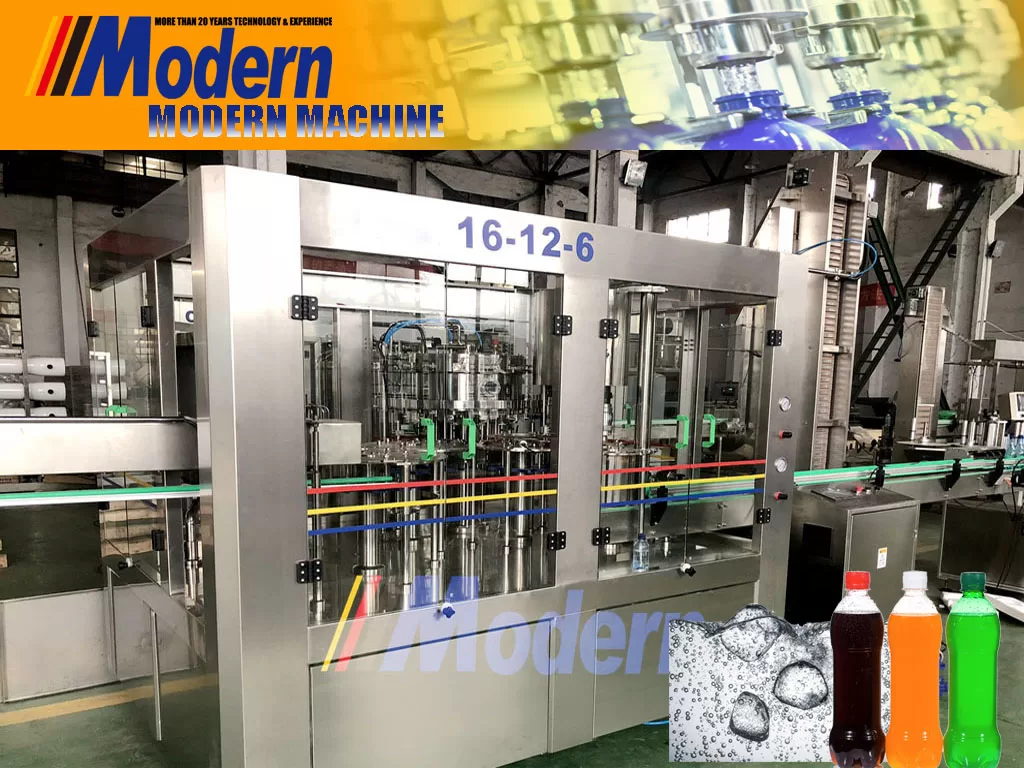
In the modern beverage industry, efficiency and precision are non-negotiable. Among the various equipment types that facilitate production, the carbonated filling machine plays a pivotal role. Designed specifically for filling carbonated beverages such as soda, sparkling water, and beer, these machines ensure that carbonation and freshness are retained while optimizing the filling process. This article will delve into the intricacies of carbonated filling machines, offering insights into their functionality, selection criteria, maintenance, and overall importance to the beverage manufacturing sector.
Understanding Carbonated Filling Machines
Carbonated filling machines are sophisticated pieces of equipment used in the bottling and canning of sparkling beverages. Their primary function is to fill containers with carbonated liquids without losing carbonation and ensuring minimal exposure to external contaminants. This section will outline the essential components, types, and operation of these machines.
Key Components
A typical carbonated filling machine comprises various critical components, each serving a specific purpose:
- Filling Valve: Controls the flow of liquid into the container, ensuring the correct amount is dispensed.
- Cylinder: Where the carbonated liquid is stored before being filled into containers.
- Control Panel: Enables operators to adjust settings such as fill speed, container size, and carbonation levels.
- Transport System: Moves containers to and from the filling area, often utilizing conveyor belts to enhance efficiency.
- Carbonation Unit: Maintains the level of carbon dioxide in the liquid during the filling process.
Types of Carbonated Filling Machines
Carbonated filling machines come in various types, suited for diverse production scales and beverage types:
- Gravity Fillers: Utilize gravity to fill containers, ideal for low-viscosity beverages. These are typically less expensive and easier to operate.
- Pressure Fillers: Employ pressure to push the beverage into containers, helping maintain carbonation levels. Suitable for high-speed production.
- Vacuum Fillers: Use a vacuum to draw liquid into containers, minimizing foaming. Great for thicker beverages.
- Counter Pressure Fillers: Maintain an equal pressure in the filling machine and the container, preventing the escape of gas during the filling process. Most commonly used for bottling beer and other carbonated drinks.
The Importance of Carbonated Filling Machines in Beverage Production
The role of carbonated filling machines extends beyond mere filling; they ensure product quality and operational efficiency. Here are several reasons why these machines are indispensable in the beverage industry:
Maintaining Carbonation
The primary challenge when filling carbonated beverages is preserving their effervescence. Carbonated filling machines designed with counter-pressure technology help maintain carbonation levels by filling containers under pressure, thus preventing CO2 from escaping. This feature is particularly crucial for products like craft beers and premium sodas, where flavor and freshness are paramount.
Enhancing Efficiency
In a competitive industry where speed and reliability are vital, the efficiency of a carbonated filling machine can significantly influence production rates. Advanced machines can fill thousands of containers per hour, seamlessly integrating with other production processes such as labeling and packaging. Automated systems can substantially reduce labor costs and human error, ensuring a consistent output quality.
Facilitating Hygiene and Safety Standards
Food safety regulations require that beverage manufacturers maintain high hygiene standards. Modern carbonated filling machines are designed with sanitation in mind. Many feature easy-to-clean designs, which help prevent contamination from residual liquids or microorganisms. Incorporating machines with automated cleaning systems can further ensure compliance with safety regulations.
Choosing the Right Carbonated Filling Machine
Selecting the most suitable carbonated filling machine for your operations is a critical decision influenced by several factors. Here are actionable tips for making an informed choice:
Assess Production Requirements
Determine your production volume and the types of beverages you plan to fill. High-volume production lines typically benefit from pressure fillers, while slower operations might opt for gravity fillers. Understanding your operational scale is essential for identifying the best machine type.
Evaluate Filling Accuracy
The precision of the filling process is paramount to minimize waste and maximize profit. Look for machines with adjustable filling levels and accurate fill sensors to achieve consistent fill volumes across all containers. This attention to detail can significantly enhance customer satisfaction and brand loyalty.
Consider Flexible Operation
If your operation plans to diversify products, consider machines with the capability to easily switch between different container types and sizes. Some machines are designed to accommodate a range of bottle shapes and volumes, enhancing operational flexibility.
Invest in Quality and Reliability
While initial costs are important, investing in a high-quality machine with a robust design can save significantly on maintenance and upgrades in the long run. Research suppliers, seek testimonials, and evaluate the longevity and reliability of machine components before making a decision.
Operating a Carbonated Filling Machine
Once you have selected a filling machine, operational efficiency is key to maximizing output and quality. Here are some practical tips for operating a carbonated filling machine:
Regular Maintenance Checks
Regular preventive maintenance is vital to ensure the longevity and efficiency of your filling machine. Implement a maintenance schedule to inspect components, clean the system, and replace worn parts. This practice minimizes downtime and reduces the risk of faulty production runs.
Training Operators
Ensure that operators are well-trained in the nuances of the machine’s operation, including adjustments for different beverage types and filling speeds. Knowledgeable staff can quickly troubleshoot problems, maintain quality, and ensure safety standards are consistently met.
Monitoring Performance Metrics
Utilize the machine’s control panel to keep an eye on performance metrics such as filling rate, accuracy, and machine uptime. Gathering and analyzing this data will help identify areas for improvement, optimize production processes, and reduce waste.
The Future of Carbonated Filling Technology
As technology continues to advance, the carbonated filling machine industry is witnessing innovations that enhance efficiency and sustainability. Emerging trends include:
Smart Technology Integration
Incorporating IoT (Internet of Things) technology into filling machines allows for real-time monitoring, automated diagnostics, and performance analytics. This capability not only enhances efficiency but also helps predict maintenance needs, thus reducing unexpected downtime.
Sustainability Practices
With the growing emphasis on sustainability, manufacturers are developing filling machines designed to minimize energy consumption and reduce waste. Innovations such as biodegradable materials in packaging and carbon offset capabilities are gaining traction within the industry.
Conclusion
Understanding the crucial role that carbonated filling machines play in the beverage industry is fundamental to enhancing production efficiency, maintaining product integrity, and ensuring customer satisfaction. By choosing the right machine, implementing rigorous operational standards, and staying abreast of industry innovations, beverage manufacturers can thrive in an ever-evolving market.
Whether you are a newcomer to the beverage industry or seeking to upgrade your existing operations, carbonated filling machines remain an essential investment that can significantly influence your business’s success.


