
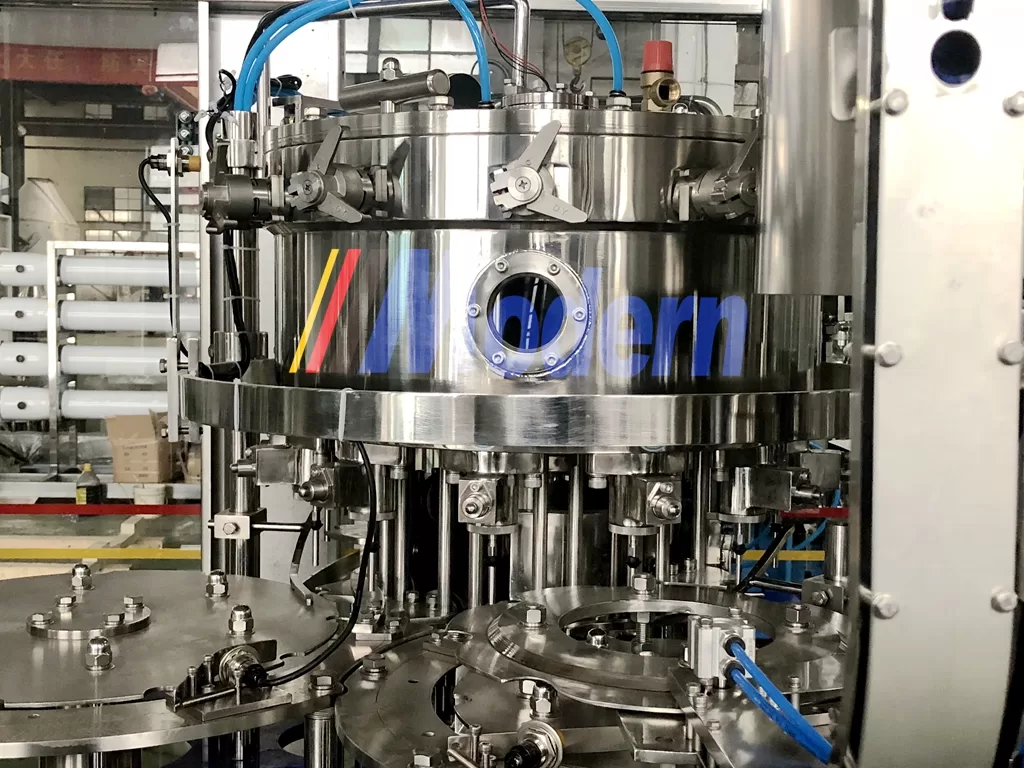
The beverage industry is witnessing unprecedented growth, with a significant increase in the demand for carbonated drinks globally. For manufacturers looking to capitalize on this trend, investing in high-quality carbonated beverage filling machines becomes paramount. Understanding the dynamics of machine suppliers is a crucial step for any business aiming to thrive in this competitive landscape. In this article, we will explore various aspects of carbonated beverage filling machine suppliers, including selection criteria, the importance of technology, maintenance considerations, and market trends.
Understanding Carbonated Beverage Filling Machines
Carbonated beverage filling machines are specialized equipment designed for the bottling of fizzy drinks, including soft drinks, sparkling water, and certain alcoholic beverages. These machines ensure that drinks are packaged efficiently and hygienically, adhering to strict quality control standards. The filling process involves several stages, including rinsing, filling, capping, and labeling, which must be conducted with precision to preserve the beverage’s quality and extend its shelf life.
Criteria for Selecting a Reliable Supplier
Choosing the right supplier for carbonated beverage filling machines can be the difference between operational success and failure. Here are some critical criteria to consider:
1. Quality and Standards
When searching for suppliers, prioritize those that adhere to international quality standards. Certifications such as ISO 9001 can provide assurance that the supplier follows consistent quality control processes. Additionally, the materials used in the machines should be food-grade and resistant to corrosion and wear.
2. Technology and Innovation
The efficiency and effectiveness of filling machines largely depend on their technology. Advanced machines often utilize features such as automated systems, programmable logic controllers (PLC), and user-friendly interfaces. It is essential to assess the technological capabilities of each supplier to ensure their machines meet contemporary production demands.
3. After-Sales Support
After-sale services are vital for the longevity and reliability of a filling machine. Ensure that the supplier offers comprehensive support, including installation, training, and regular maintenance services. A good supplier should also provide easy access to spare parts to minimize downtime during production.
4. Customization Options
Every beverage manufacturer has unique requirements based on their production volume, type of beverage, and specific filling processes. A supplier that can offer customized solutions tailored to your needs can significantly enhance operational efficiency. Inquire about the possibility of designing machines that fit your specific production layout and workflow.
5. Pricing and Financial Viability
Cost is often a deciding factor when selecting a supplier. While it may be tempting to opt for the cheapest available option, remember that the initial price is not the only consideration. Evaluate the total cost of ownership, including operational costs, maintenance, and potential downtime due to machine failures. A balance of cost and quality should govern your decision-making process.
The Role of Technology in Bottling Processes
In today’s fast-paced beverage market, technological advancements are essential for maintaining a competitive edge. Modern filling machines incorporate several innovative technologies that enhance efficiency and product quality:
1. Automation
Automated filling machines reduce human intervention, leading to increased productivity and reduced operational costs. These machines can handle high volumes with minimal errors, ensuring that every bottle is filled accurately and consistently.
2. Advanced Control Systems
Utilizing programmable logic controllers (PLC) and supervisory control and data acquisition (SCADA) systems allows manufacturers to monitor and control the filling process in real-time. This level of oversight enhances quality control and compliance with industry regulations.
3. Environmental Considerations
Many modern filling machines are engineered with energy efficiency in mind. Suppliers that focus on sustainability not only help reduce operational costs but also appeal to environmentally conscious consumers. Machinery that minimizes waste and optimizes energy consumption is becoming increasingly relevant in the beverage industry.
Maintenance and Upkeep
Proper maintenance of carbonated beverage filling machines is essential to ensure longevity and operational efficiency. Here are some essential tips:
1. Regular Inspections
Conduct scheduled inspections to identify any potential issues before they lead to significant problems. This includes checking seals, valves, and other moving parts for wear and tear. Regular inspections should be part of your maintenance routine.
2. Cleaning Procedures
Keeping the filling machine clean is crucial for maintaining product quality. Implement rigorous cleaning and sanitation procedures, especially because these machines come into contact with consumable products. Regular cleaning will help avoid contamination and prolong the machine’s lifespan.
3. Training Operators
Ensure that your staff is adequately trained to operate and maintain the machines. Well-informed operators will be able to identify potential issues early, execute effective maintenance routines, and ensure that the filling process runs smoothly.
Current Market Trends in Beverage Production
The beverage industry is continuously evolving, influenced by changing consumer preferences and technological advancements. Staying attuned to these trends can help manufacturers and suppliers align their strategies for success:
1. Health-Conscious Choices
With the growing concern over health and wellness, there is a rising demand for low-calorie and natural carbonated beverages, including sparkling water and flavored seltzers. Suppliers of filling machines must adapt to accommodate different bottle sizes and new ingredients seamlessly.
2. Sustainability Initiatives
Consumers are increasingly gravitating towards brands that prioritize sustainability. This entails using recyclable materials for packaging and energy-efficient manufacturing processes. Suppliers must align their offerings with these values to remain relevant in the market.
3. E-commerce Growth
The pandemic has accelerated the shift to online purchasing, and beverage manufacturers must adapt their production and distribution strategies. Filling machine suppliers should consider technological advancements that facilitate direct-to-consumer shipping and e-commerce fulfillment processes.
Conclusion
Choosing the right carbonated beverage filling machine suppliers is critical for manufacturers aiming to capture market share in the growing beverage industry. By assessing quality, technology, after-sales support, customization options, and pricing, companies can ensure they make informed decisions that align with their operational needs. Moreover, staying abreast of market trends and maintaining equipment diligently will further help in achieving production efficiency and product excellence.
In an ever-evolving landscape, it is essential for manufacturers and suppliers alike to embrace innovation, uphold quality, and prioritize sustainability. By doing so, they can position themselves as leaders in the carbonated beverage market, ready to meet the ever-growing demands of consumers.


