
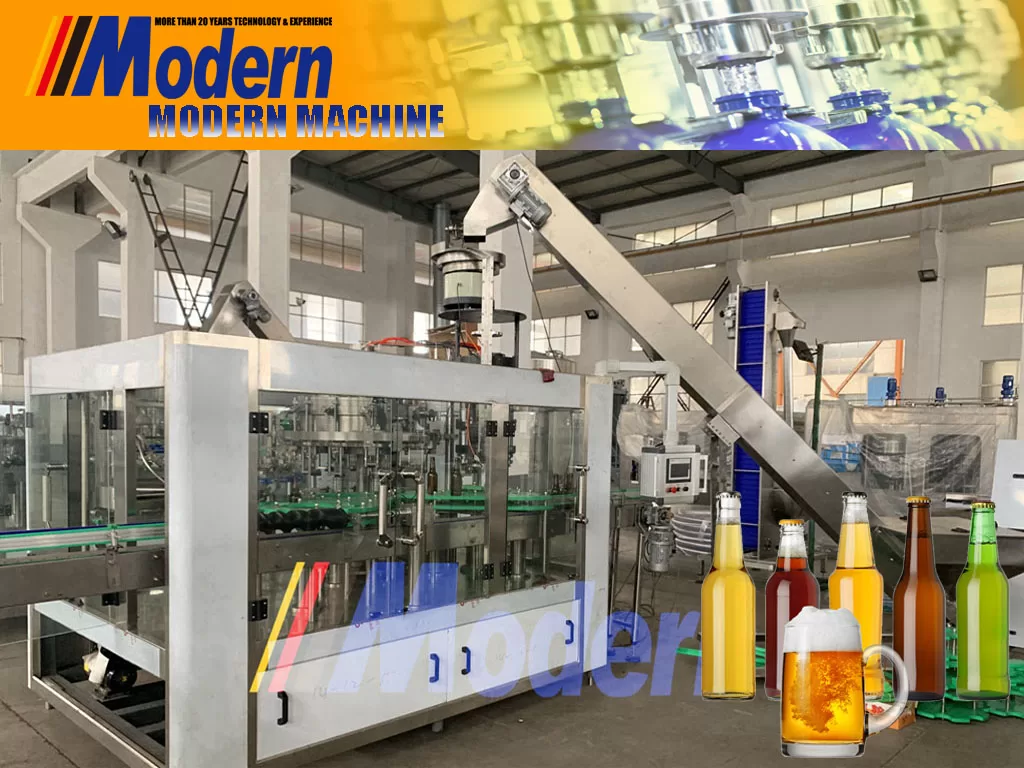
In the ever-evolving world of brewing, efficiency and precision are key elements that lead to successful beer production. One of the critical components in this process is the beer bottle filler machine. This essential piece of equipment ensures that your beer is bottled correctly, maintaining both its quality and flavor, while also streamlining the production process. In this article, we will explore the various aspects of beer bottle filler machines, their types, operational processes, and tips for choosing the right machine for your brewing needs.
Understanding Beer Bottle Filler Machines
Beer bottle filler machines are designed to automate the bottling process, allowing brewers to fill bottles quickly and accurately. These machines come in different sizes and models, ranging from small, manual systems to large, fully automated machines capable of handling thousands of bottles per hour. Regardless of the scale of your operation, selecting the right filler can significantly impact your workflow and product quality.
Types of Beer Bottle Filler Machines
Beer bottle filler machines can be classified into several types based on their operational principles:
1. Gravity Fillers
Gravity fillers are among the simplest and most common types of bottling machines. They operate on the principle of gravity, allowing beer to flow from a tank into bottles through a series of nozzles. These machines are ideal for carbonated beverages and are usually cost-effective, making them suitable for craft breweries and smaller operations. However, they may not be as efficient as some high-tech options and require careful attention to avoid overfilling.
2. Pressure Fillers
Pressure fillers are designed to handle carbonated beverages more effectively by using pressure to push the beer into the bottles. This method minimizes foaming during the filling process, preserving the beer’s carbonation and quality. pressure fillers are typically more expensive than gravity fill machines but are well-suited for larger breweries that prioritize efficiency and quality. They can also accommodate various bottle shapes and sizes.
3. Vacuum Fillers
Vacuum fillers use a vacuum to draw beer into the bottles, which helps eliminate excess air from the filling process. This is particularly important for preserving the freshness and flavor of the beer. Vacuum fillers are often more complex and costly than other types of fillers, which is why they are more commonly found in larger commercial brewing operations. However, they provide a precise filling solution that appeals to high-quality craftsmanship.
Key Features of Beer Bottle Filler Machines
When selecting a beer bottle filler machine, there are several key features to consider:
1. Filling Speed
The speed of the machine is a critical factor that influences overall production efficiency. Depending on the scale of your operation, choose a filler that meets your daily bottling needs while also allowing for potential growth in production levels.
2. Bottle Compatibility
Different breweries use various bottle types and sizes, so it is essential to ensure that your filler is compatible with your specific bottles. Some machines come with adjustable settings to accommodate different bottle shapes, while others are designed for a specific type.
3. Ease of Use
The complexity of operation can vary among machines. Look for models with user-friendly interfaces and easy maintenance requirements to reduce downtime and enhance productivity.
4. Cleaning and Sanitization
Maintaining hygiene in any brewing process is paramount. Ensure that your selected filling machine has easy disassembly options and is designed for effective cleaning and sanitization, minimizing the risk of contamination.
The Operational Process of Beer Bottle Filling
The operational process of beer bottle filling can be broken down into several distinct stages:
1. Preparation
Before filling, it is essential to prepare the work area. Ensure that bottles are cleaned and sterilized to remove any contaminants that could affect the quality of the beer. Additionally, check that the beer is at the appropriate temperature and carbonation levels. This step is critical in order to avoid foaming when bottles are filled.
2. Filling
Once everything is prepared, the beer bottle filler machine can begin the filling process. Depending on the type of machine used, the filling may occur through gravity, pressure, or vacuum methods. During this stage, operators should monitor the filling levels carefully to ensure that all bottles receive the proper amount of beer while minimizing spillage or overfilling.
3. Capping
After filling, bottles must be capped promptly to preserve carbonation and prevent oxygen ingress. Many filling systems integrate capping machines specifically designed to accommodate various cap types, ensuring that the bottles are sealed efficiently.
4. Quality Control
Quality control measures should be in place to inspect the bottles post-filling. This may include checking fill levels, ensuring that caps are securely in place, and inspecting packaging for any visible defects. Conducting this inspection regularly helps maintain the reputation of your brewery and ensures customer satisfaction.
Choosing the Right Beer Bottle Filler Machine
When investing in a beer bottle filler machine, consider the following factors:
1. Assess Your Production Needs
Evaluate your brewery’s current production levels and future growth potentials. This will help you determine the speed and capacity of the filler you’ll need.
2. Research Machine Specifications
Examine various machine specifications, such as the filling method, compatibility with different bottle types, and maintenance requirements. This will provide valuable insights into selecting the most suitable machine for your operations.
3. Budget Considerations
Understand your budget constraints before making a purchase. While it may be tempting to opt for the most expensive option, many affordable machines on the market will effectively meet your requirements without breaking the bank. Consider the long-term costs, including maintenance, consumables, and potential upgrade expenses.
4. Supplier Reputation
Research suppliers and manufacturers to ensure you are purchasing from reputable sources. Check user reviews, and consult with industry colleagues to gather insights. A good supplier will provide reliable after-sales support and maintenance services, enhancing your overall investment value.
Conclusion
Beer bottle filler machines play an integral role in the brewing process, directly impacting the efficiency and quality of production. Understanding the various types of machines, their operational processes, and key features is crucial for making informed decisions that align with your brewing needs. With careful consideration of your production requirements and supplier reliability, you can invest in a filling machine that not only meets your current operational demands but also sets the stage for future growth and success in the burgeoning craft beer market.


