
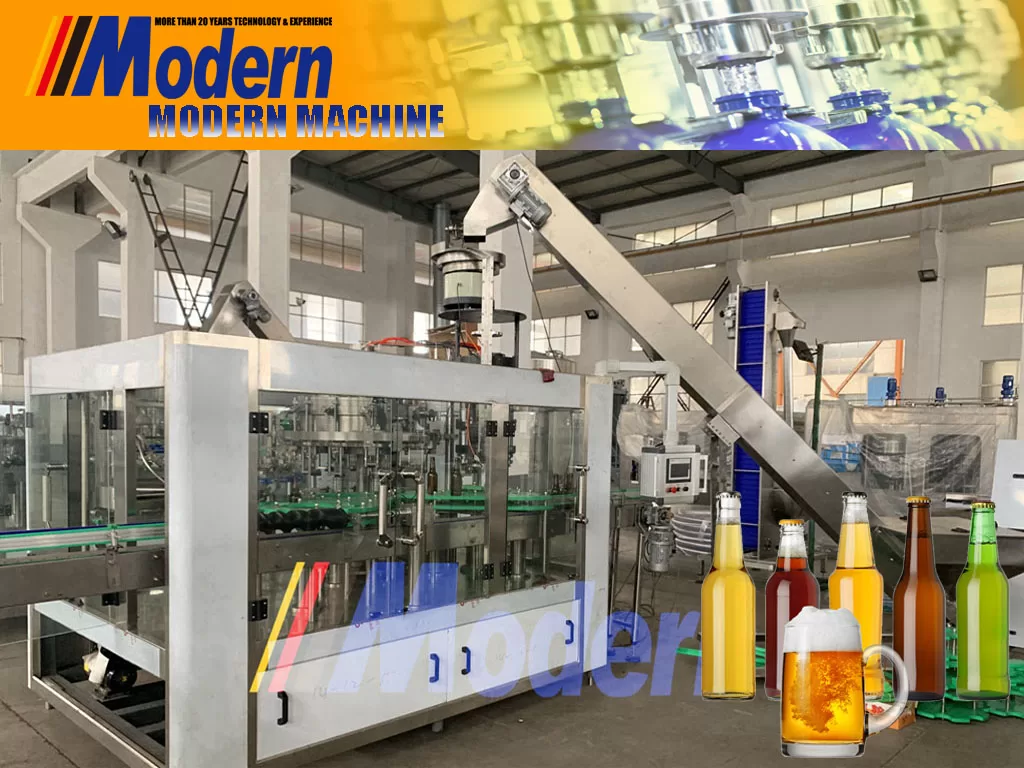
As breweries evolve and expand, one critical component that impacts profitability and operational success is the cost of beer bottling lines. Investing in bottling equipment is a significant financial decision that is influenced by various factors, ranging from the scale of production to specific technological needs. This article will provide a comprehensive examination of beer bottling line costs, offering actionable insights and practical advice for brewery owners considering this essential investment.
Understanding the Components of a Beer Bottling Line
A beer bottling line comprises several interconnected components that work together to package beer efficiently. Understanding these components can provide clarity on what affects overall costs:
1. Bottle Rinser
The bottle rinser is essential for preparing bottles for filling by removing dust and contaminants. Costs can vary based on automation level — manual rinsers are less expensive, while automated systems can significantly add to the overall cost.
2. Filling Machine
The heart of the bottling line, filling machines can dramatically vary in price depending on capacity and technology. Gravity fillers tend to be less costly, while pressure fillers are pricier but allow for faster filling, minimizing oxygen contact.
3. Capping Machine
Capping machines secure the bottle caps to ensure freshness and prevent leakage. The complexity and speed of the capping system influence its cost. Basic models are economically feasible, but high-speed systems are an expensive yet efficient alternative.
4. Labeling Equipment
Labeling is a vital part of marketing and branding. Standalone label applicators can be affordable, but fully integrated labeling and coding systems increase the price due to additional functionalities. Choosing the right system that aligns with branding strategy is essential.
5. Conveyor Systems
Conveyor systems are integral for moving bottles throughout the production line. Depending on the design, material quality, and automation level, costs can range significantly. Customizable systems tailored to specific production needs may demand higher investment.
Factors Influencing Beer Bottling Line Costs
When calculating the total cost of a bottling line, several factors must be considered:
1. Production Scale
The scale of the brewery—whether craft, regional, or large-scale—often sets a baseline for investment in bottling technology. Smaller breweries may prioritize smaller, more cost-effective machines that suit their production goals, while larger operations typically opt for high-speed, automation-friendly solutions.
2. Automation Level
The degree of automation in a bottling line can elevate costs significantly but offers long-term benefits like reduced labor needs and increased efficiency. Breweries must evaluate their production goals against budget constraints when selecting the appropriate level of automation.
3. Quality and Durability
Investing in quality machinery reduces the risk of downtime and maintenance costs in the long run. While lower-cost options may seem attractive initially, high-quality manufacturing often yields better reliability and longevity, justifying higher upfront investments.
4. Customization Needs
Bottling lines can be customized for specific beer types, bottle sizes, and shapes. Custom specifications may lead to increased costs, so breweries should consider how a tailored solution aligns with their product line and branding strategy.
Cost Breakdown of a Beer Bottling Line
Breaking down the costs associated with each component can provide a clearer picture:
1. Initial Investment
The initial investment includes costs for equipment purchase, installation, and any necessary upgrades to existing infrastructure. Basic systems can start in the range of $10,000 to $100,000, while advanced lines with high automation can exceed $500,000.
2. Operational Costs
Besides the initial investment, operational costs such as electricity, maintenance, and labor all contribute to the total cost of ownership. Efficient machinery may reduce these costs over time, underscoring the need for careful consideration of equipment quality and energy consumption.
3. Maintenance Expenses
Routine maintenance is essential to maximize the lifespan of bottling equipment. Breweries should budget for regular servicing, and it is advisable to establish a preventive maintenance schedule to avoid costly repairs or replacements that can disrupt production.
Practical Advice for Brewery Owners
With the complexities of investing in a beer bottling line, brewery owners can benefit from practical advice:
1. Evaluate Your Production Needs
Before making any commitments, conduct an assessment of your production capacity and growth expectations. Understand the styles of beers you produce and gauge demand to determine the necessary scale and type of bottling line that would best fit your operations.
2. Research and Compare Options
Take time to research various equipment brands and types. Attend industry trade shows, consult with experts, and engage with fellow brewers to gather insights on reliable equipment suppliers and innovations in bottling technology.
3. Consider Future Growth
Investing in a bottling line is a long-term decision. Choose an option that allows for scalability, anticipating future growth in production. Flexible equipment designs that can be upgraded or expanded are worth considering, despite potential higher initial costs.
4. Analyze Total Cost of Ownership
Instead of solely focusing on initial costs, evaluate the total cost of ownership, including operational and maintenance expenses. Investing in high-quality, durable equipment might require a higher upfront expenditure, but could save money in the long run.
5. Establish a Maintenance Plan
Preventive maintenance is key to prolonging equipment life. Develop a comprehensive maintenance schedule and consider training staff on basic troubleshooting to minimize downtime and enhance operational efficiency.
Conclusion
In conclusion, understanding the cost of beer bottling lines is crucial for brewery owners looking to enhance their production capabilities. By recognizing the components, analyzing influencing factors, and seeking practical advice, brewers can make informed decisions that align with their operational needs and budget constraints. As the brewing industry continues to expand, investing in an effective bottling line not only ensures product quality but also enhances the brewery’s competitive edge in an increasingly crowded market.


