
The global demand for bottled beverages has seen exponential growth over the past few decades. This spike in demand has placed immense pressure on manufacturers, pushing them to invest in advanced PET bottling lines that can enhance efficiency, ensure product quality, and meet consumer expectations. In this article, we will explore the various components, advantages, and considerations associated with PET bottling lines, providing manufacturers with valuable insights to make informed decisions.
Understanding PET Bottling Lines
PET (Polyethylene Terephthalate) is a popular material used for producing beverage bottles due to its lightweight, strong, and recyclable properties. A PET bottling line is a series of machinery and processes designed to streamline the production of PET bottles from raw material to finished products ready for distribution.
These lines typically consist of several key processes: preform manufacturing, bottle blowing, filling, capping, labeling, and packaging. Each of these stages plays a crucial role in ensuring the overall quality and efficiency of the production process.
1. Preform Manufacturing
The first step in the PET bottling process involves the production of preforms—small, molded cores that will eventually be converted into bottles. Preform manufacturing machines utilize injection molding technology to create these robust yet lightweight components.
Quality control during this stage is paramount. Manufacturers should focus on maintaining uniform thickness and avoiding defects to ensure that all preforms meet the required standards. Advanced monitoring systems can assist in managing the quality of preforms, reducing the risk of defective products in subsequent stages.
2. Bottle Blowing
Once the preforms are ready, they undergo the bottle-blowing process. This stage typically involves two types of blowing: extrusion blowing and stretch blowing. The latter is more common in the beverage industry due to its ability to produce lighter bottles with greater strength.
This process involves heating the preforms and then using air pressure to expand them into bottle shapes. Manufacturers should consider investing in high-efficiency blowing machines that can minimize energy consumption and cycle times while maximizing output. Furthermore, precise temperature control is crucial to ensure that the material behaves as expected during blowing, thereby preventing inconsistencies in bottle thickness.
3. Filling
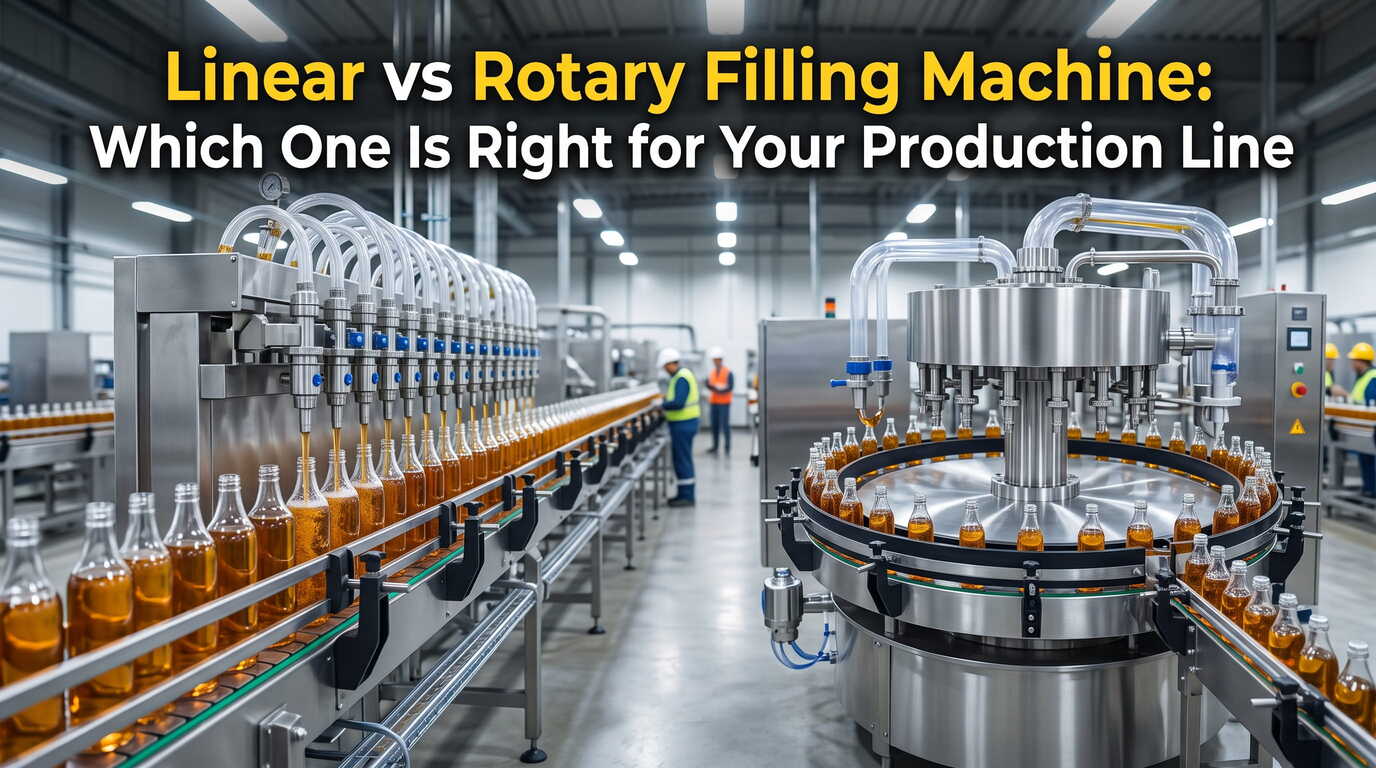
The filling process involves introducing the liquid product into the blown bottles. This stage is critical as it directly impacts product quality and safety. To automate this process, many manufacturers use filling machines that can handle various types of beverages, including carbonated drinks, juices, and alcoholic beverages.
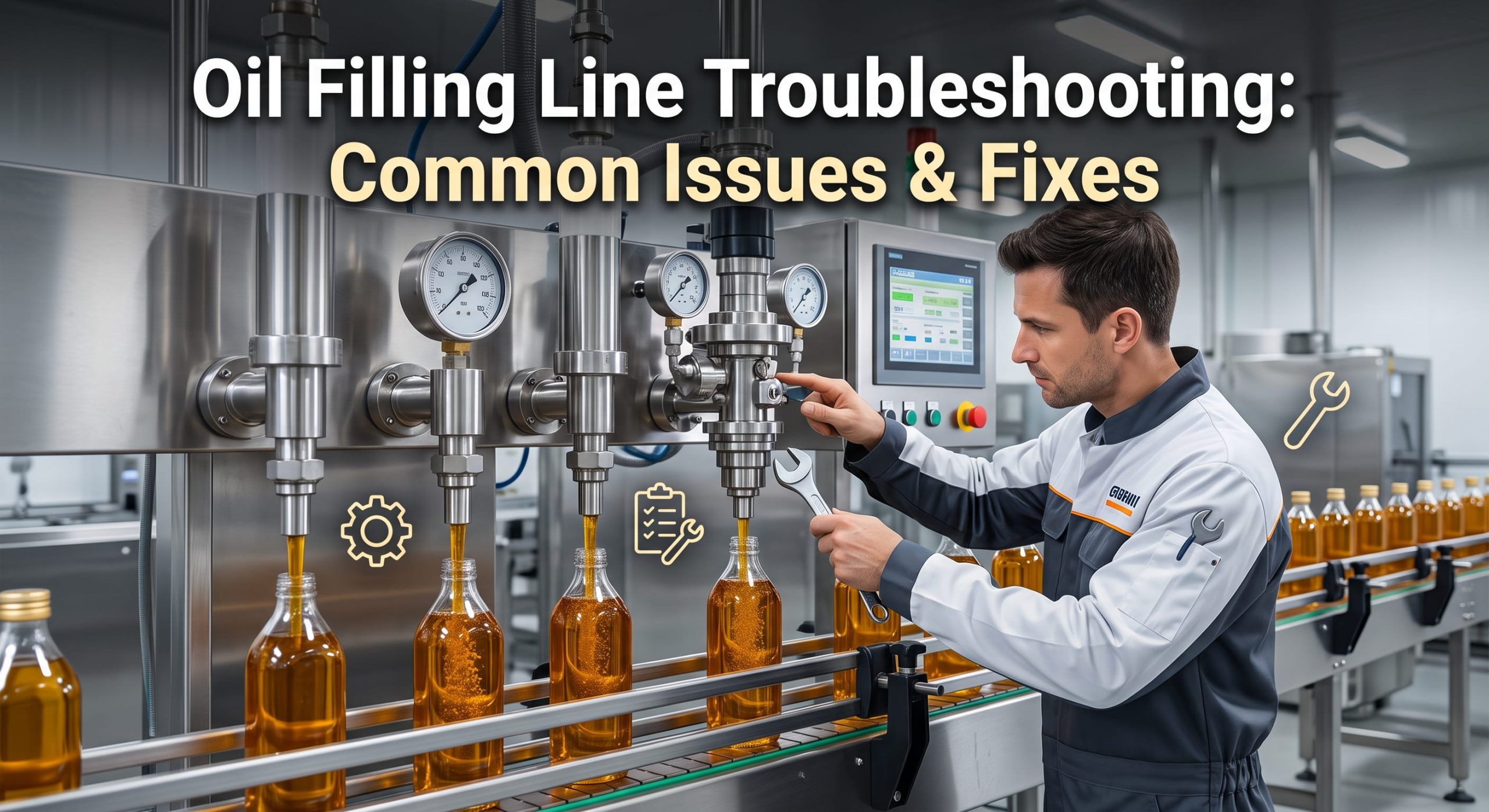
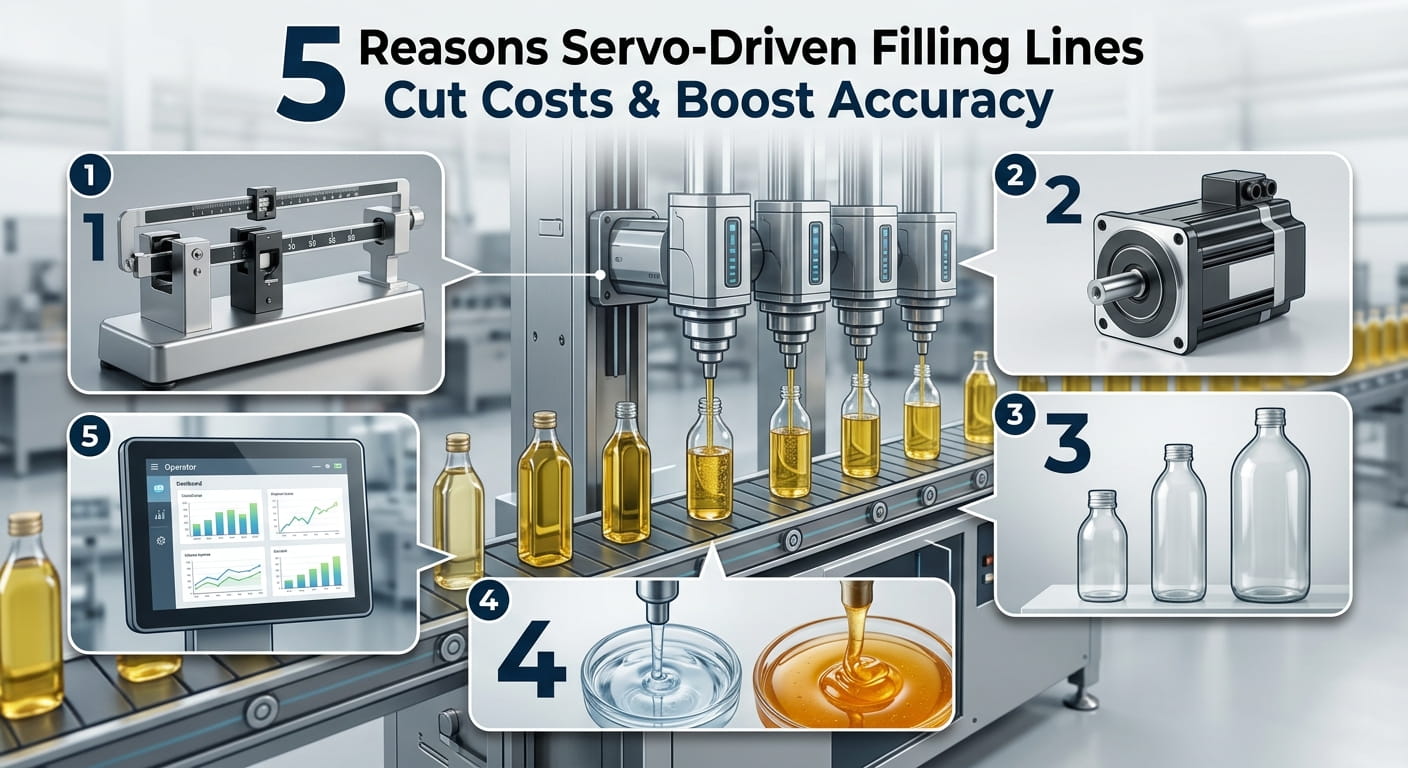
Quality assurance measures, such as flow meters and level sensors, should be employed to ensure accurate fills and prevent spillage. Additionally, hygiene standards must be upheld during the filling process, particularly for products that require strict sanitation, like juices and dairy products.
4. Capping
After filling, bottles must be securely capped. The capping process can utilize various methods, including screw caps, snap-on caps, or crown caps, depending on the nature of the beverage being bottled.
Precision is key during this stage to avoid leaks and to maintain product integrity. Implementing torque monitors can help ensure that caps are fastened firmly without damaging the bottles. Furthermore, investing in automated capping systems can enhance speed and consistency in production, limiting human error.
5. Labeling
Labeling is an essential component that not only provides regulatory information but also serves as a marketing tool. With advancements in printing technology, labels can be printed in high resolution and hold detailed information about the product.
Automated labeling machines can significantly improve production efficiency. Manufacturers can choose from various labeling methods, such as pressure-sensitive labels, shrink sleeves, or wrap-around labels, depending on their branding strategies. Consistency in label placement and high-quality printing can enhance the overall appeal of the product.
6. Packaging
Once bottles are filled and labeled, they need to be packaged for shipping and distribution. Packaging machinery must ensure that bottles are securely bundled to prevent damage during transportation.
Investing in shrink wrap machines or carton fillers can aid in streamlining this process. It is also essential to consider eco-friendly packaging options, as consumers are increasingly favoring environmentally sustainable products. Reducing waste and using recyclable materials can bolster a company’s reputation in the competitive market.
Benefits of an Integrated PET Bottling Line
Implementing a full-fledged PET bottling line offers numerous advantages for manufacturers:
1. Increased Efficiency
An integrated bottling line can significantly reduce manual labor and streamline production processes. Automation of tasks—from blowing to packaging—can lead to faster turnaround times and increased output, helping manufacturers meet the growing demand for bottled beverages.
2. Improved Quality Control
With advanced monitoring systems in place, manufacturers can ensure consistent quality throughout the production process. Regular checks and balances contribute to minimizing defects and maximizing customer satisfaction.
3. Flexibility and Customization
Modern PET bottling lines can be tailored to accommodate various bottle shapes, sizes, and types of beverages. This flexibility allows manufacturers to diversify their product offerings and adapt to changing market trends.
4. Cost Savings
By optimizing each stage of the production process, manufacturers can realize significant cost savings over time. Reduced waste, enhanced energy efficiency, and lower labor costs contribute to improved profit margins.
Considerations for Choosing a PET Bottling Line
While the benefits of investing in a PET bottling line are clear, manufacturers must consider several factors before making a purchase decision:
1. Production Capacity
Assessing production capacity is essential to determine whether a bottling line can meet current and future demands. Manufacturers should analyze their growth projections and invest in equipment that can accommodate increases in production volume.
2. Technological Compatibility
New technologies emerge frequently in the manufacturing sector. It is crucial to ensure that any new equipment is compatible with existing machinery or that a holistic upgrade is planned. Additionally, manufacturers should consider the availability of technical support and spare parts.
3. Space and Layout
The physical space required for a bottling line must align with the facility’s layout. Adequate space not only eases the installation process but also ensures smooth workflow between different stages of production.
4. Supplier Reputation and Support
Choosing a reputable supplier with a proven track record can make a significant difference in the long-term performance of a bottling line. Manufacturers should consider warranties, service agreements, and the availability of training for personnel to ensure that they maximize their investment.
Conclusion
In a competitive beverage market, achieving efficiency, optimizing quality, and meeting consumer preferences are paramount. An integrated PET bottling line stands as a vital component in this pursuit, combining advanced technology with streamlined processes to deliver better results.
Manufacturers seeking to enhance their production capabilities must weigh the numerous advantages against their specific operational requirements. By paying careful attention to each stage of the bottling process and making informed decisions on equipment and suppliers, companies can position themselves for success in the ever-evolving landscape of the beverage industry.