
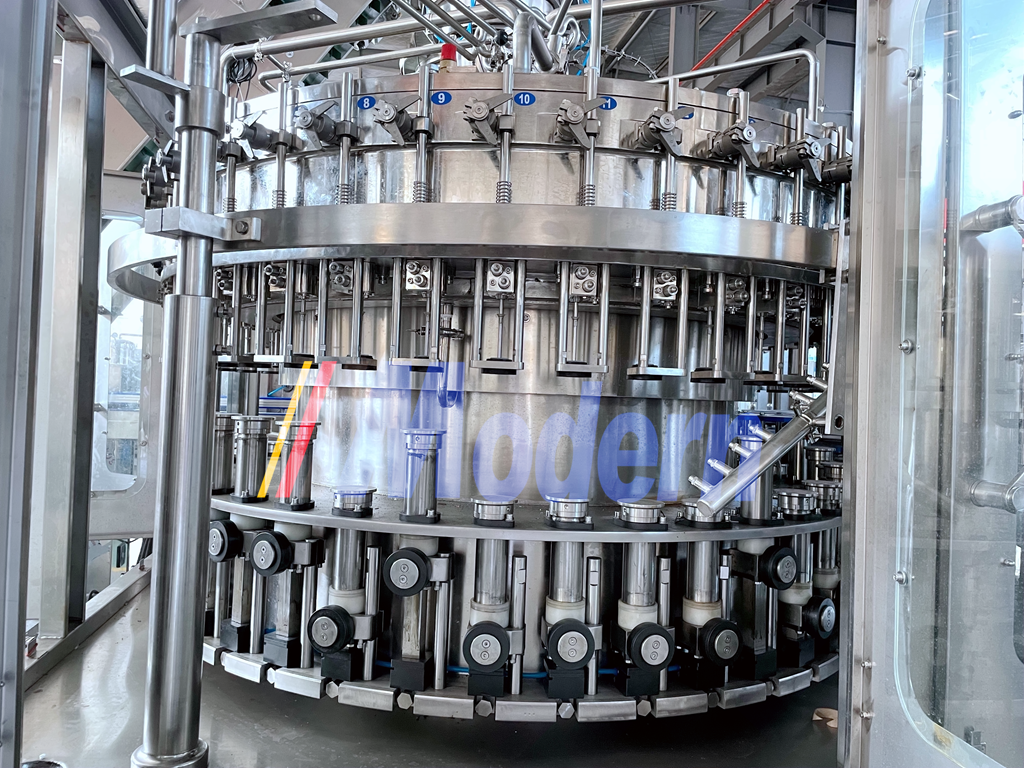
In the modern packaging industry, the demand for efficient and cost-effective solutions is ever-increasing. PET (polyethylene terephthalate) bottle filling machines have become vital for companies that produce beverages, bottled water, or other liquid products. Understanding the price factors associated with these machines can be critical for businesses looking to invest in the right technology for their production lines. This article delves into the various dimensions of PET bottle filling machine prices and offers practical advice for international trade stakeholders.
What is a PET Bottle Filling Machine?
A PET bottle filling machine is designed to fill and package beverages in polyethylene terephthalate bottles, known for their durability and lightweight properties. These machines cater to various markets, including soft drinks, juices, water, and even pharmaceuticals. The machines can operate on different filling techniques, such as gravity filling, negative pressure filling, and isobaric filling, depending on the nature of the liquid being processed.
Understanding Price Factors
The price of PET bottle filling machines can vary significantly due to multiple factors such as machine capacity, technology level, and production efficiency. Below are some core aspects that could influence the pricing of these machines:
1. Capacity
One of the primary determinants of a PET bottle filling machine’s price is its capacity, measured in bottles per hour. Higher capacity machines are usually more expensive due to the advanced engineering and technology required to handle larger volumes. For manufacturers with a higher output, investing in a high-capacity machine may lead to significant long-term savings despite the initial investment.
2. Type of Filling Method
As previously mentioned, the filling method greatly influences the machine’s price. Gravity fillers tend to be more affordable, while isobaric or vacuum filling systems are more complex and thus more costly. The choice of filling method should align with product characteristics to ensure optimal performance, which can indirectly affect the overall cost of production.
3. Automation Level
The degree of automation in a bottle filling machine can also greatly affect its price. Semi-automatic machines typically come at a lower cost, but they demand more manual labor, which can increase long-term operational expenses. Fully automatic machines, while more expensive, can increase efficiency and reduce labor costs, thus providing a better return on investment over time.
4. Material and Build Quality
The materials used in constructing the machine play a significant role in dictating its price. Machines made from high-grade stainless steel and other durable materials are generally more expensive but will last longer and require less maintenance. In contrast, machines made from lower-quality components might save on initial costs but could incur higher repair and replacement expenses as they wear out faster.
5. Brand Reputation
While this article will not mention specific companies, it’s essential to note that the reputation of the manufacturer can impact pricing. Established brands with a proven track record may charge a premium for their machines, but this often translates into better quality, customer service, and warranty options, which could be worth the extra investment.
Price Ranges for PET Bottle Filling Machines
The prices for PET bottle filling machines can vary widely depending on the factors discussed above. Typically, you can expect:
- Entry-level machines: $10,000 to $30,000
- Mid-range machines: $30,000 to $80,000
- High-end machines: $80,000 to $200,000 or more
It’s crucial for businesses to analyze their production needs and budget constraints to determine which price range aligns best with their operational goals.
Evaluating Return on Investment (ROI)
When contemplating the purchase of a PET bottle filling machine, businesses must evaluate the potential return on investment. Here are some critical factors to consider:
1. Production Efficiency
A more expensive, high-capacity, fully automated machine might seem like a hefty investment but could lead to significantly higher production rates. If the machine operates at an optimal efficiency level, the initial investment can quickly be recouped through increased sales.
2. Labor Costs
Automated machines can significantly reduce labor costs. By minimizing manual intervention, companies can save on hourly wages and decrease the likelihood of workplace accidents. This cost-saving element should be factored into any ROI calculation.
3. Maintenance Costs
Higher-end machines may have lower maintenance costs due to improved build quality and engineering. Evaluating the expected maintenance costs can provide valuable insight into the long-term financial impacts of the investment.
Choosing the Right PET Bottle Filling Machine for Your Needs
Choosing the right PET bottle filling machine requires thorough research and consideration of your business’s unique needs. Here are some actionable steps to guide your selection process:
1. Assess Your Production Requirements
Start by evaluating your production volume and the types of liquids you will be filling. It’s vital to ensure that the machine you select can accommodate your current and future production needs.
2. Establish a Budget
Defining a clear budget will help narrow down your options. Remember to factor in the total cost of ownership, which includes not just the purchase price but also operational and maintenance expenses.
3. Seek Expert Consultation
Consult with industry experts to understand the latest trends and technologies in the market. Their insights might help identify a machine that fits your requirements perfectly or even suggest alternatives you hadn’t considered.
4. Test Before You Invest
Whenever possible, visit manufacturing facilities or trade shows to see machines in action. This firsthand experience can be invaluable in making the right decision.
Conclusion
The price of PET bottle filling machines can fluctuate based on an assortment of factors, including capacity, technology, and the manufacturer’s reputation. By understanding these dynamics, businesses can make informed decisions that align with their operational goals and budget constraints. Careful evaluation of potential ROI is necessary to ensure a wise investment.
In summary, the selection of a PET bottle filling machine should be approached with careful consideration. By following these guidelines and conducting thorough research, you can find a machine that fits your production needs while also providing excellent value for your investment.


